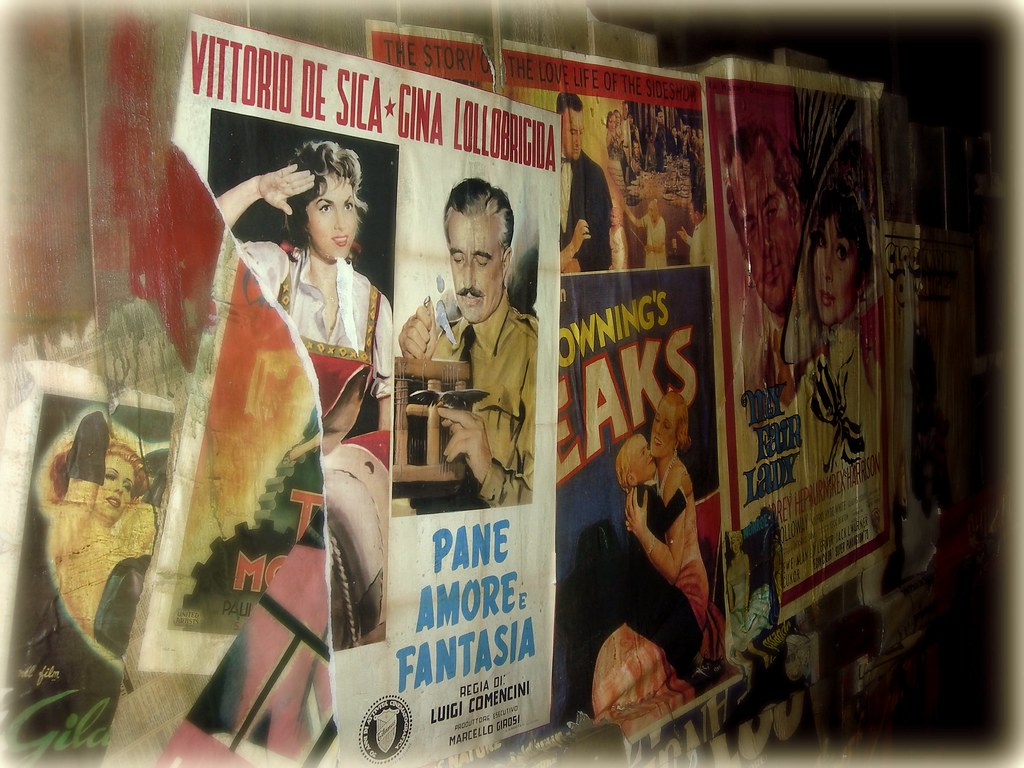
Movie Theory Companion Guide: Details and Themes to Notice is a viewing method that links small on-screen choices to larger ideas. Movie theory here means a practical way to explain how images, sound, and story create meaning.
Use it while you watch, not after. Pick one thread per viewing, such as color, framing, sound, or character choice. You will notice more and argue your reading with clear evidence.
Table of Contents
- What should you track on a first watch?
- How do visual choices shape meaning?
- What does sound tell you that images do not?
- How do structure and endings clarify themes?
- How can you test your reading?
What should you track on a first watch?
Follow what the film repeats. Repeated objects, lines, gestures, places, and camera angles often point to the theme. Note the first and last appearance of each repeat. Watch who changes and who refuses to change.
A choice under pressure tells you what a character values. Compare that choice with what other characters say they value. Track cause and effect, not just plot. Ask what action led to each turning point. This keeps attention on decisions rather than surprises.
How do visual choices shape meaning?
Notice framing, movement, light, and color. A tight close-up can create pressure, while a wide shot can show isolation or control. Bright, even lighting often feels open, while strong shadows can suggest danger or secrecy. Look for contrast between scenes.
A warm home next to a cold workplace can signal belonging and alienation. Costume, props, and setting often carry the same contrast. Check when the style breaks its own pattern. A sudden still shot, long take, or shift in palette marks a moment the film wants you to weigh. Pause there and ask what changed in the story.
- Framing: who holds power in the shot
- Light and color: safety, threat, memory, desire
- Movement: calm, urgency, confusion, control
What does sound tell you that images do not?
Listen to dialogue, silence, music, and background noise. Repeated phrases can reveal belief, fear, or self-deception. Silence before a decision often matters more than the score around it. Separate music that characters hear from music only you hear.
A song on a radio belongs to their world. A swelling score belongs to the storyteller, guiding sympathy or dread. Note when sound disagrees with the image. Cheerful music over a tense scene can signal irony. Muffled sound can place you inside a character's limits.
How do structure and endings clarify themes?
Find the promise of the opening. The first scene often sets the question the ending must answer. A journey, trial, mystery, or contest tells you what kind of change to expect. Mark the midpoint shift.
Many films reverse power, reveal key information, or force a moral choice halfway through. The second half then tests the lesson of the first. Read the ending as an argument. Ask what the final choice costs, who pays it, and what life looks like after. A hopeful ending earned by loss means something different from one earned by luck.
How can you test your reading?
Look for one scene that challenges your idea. A strong theme survives counterevidence because the film answers it. If two scenes clash, your theme may need to narrow. Compare characters as alternative answers.
One may choose loyalty, another freedom, another safety. The film often favors the choice with the clearest cost and result. Write your claim in one sentence. Name the theme, the key pattern, and the turning point. If you cannot point to three moments, keep watching before you settle.