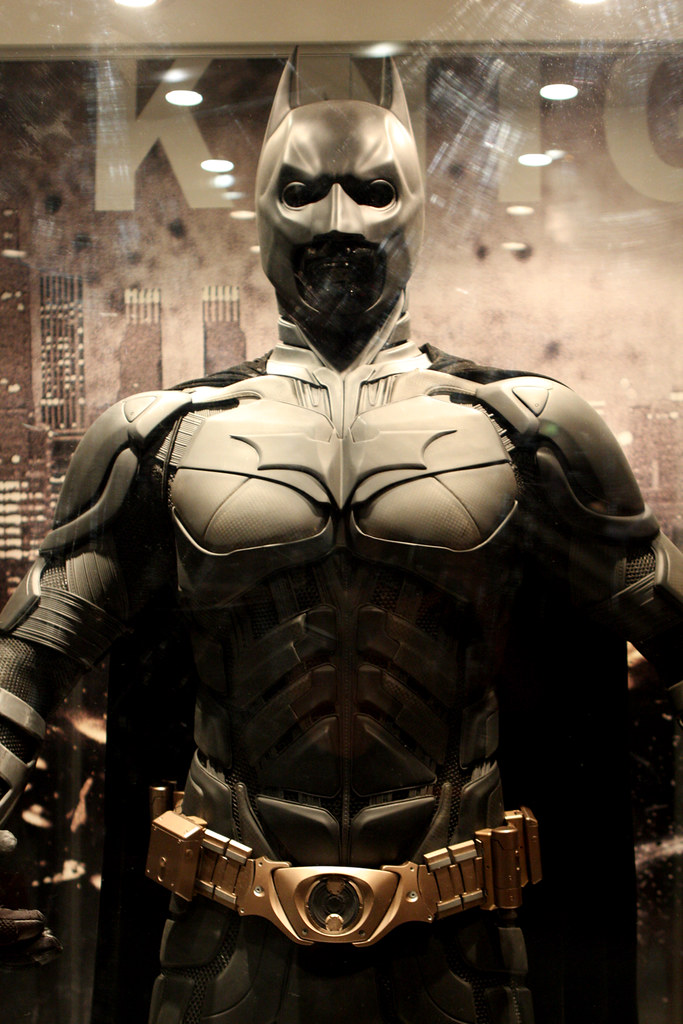
This companion guide helps you notice the small details and big themes that give superhero movies their weight. It shows what to watch in character choices, visuals, and conflicts so each scene carries more meaning.
A superhero movie here means a film built around a person with extraordinary ability and public responsibility. Use this guide on a first watch for story, and on a rewatch for pattern. Focus on decisions first, powers second.
Table of Contents
- What Choice Defines the Hero?
- How Do Costume, Color, and Sound Speak?
- What Do the Villain and City Reveal?
- How Does Power Create Responsibility?
- What Should You Check on a Second Viewing?
What Choice Defines the Hero?
Watch for the moment the hero picks principle over advantage. That choice often comes early and sets the code for the rest of the film. Later scenes test the same code under higher pressure. Notice what the hero gives up to act.
Lost sleep, strained friendships, and a threatened identity all measure the cost of service. A hero who risks little may entertain, but rarely moves the viewer. Pay attention to whom the hero refuses to harm. Mercy toward a defeated enemy, a thief, or a rival reveals values more clearly than speeches. That restraint often returns as a plot turn later.
How Do Costume, Color, and Sound Speak?
Treat the costume as shorthand for identity. Masks, symbols, and torn suits mark shifts between private doubt and public duty. A change in dress often signals a change in resolve. Follow color and light around key decisions.
Warm light tends to gather around home, trust, and care. Cold or harsh tones gather around isolation, control, and fear. Listen for musical cues tied to action. A full theme often plays when the hero accepts responsibility, not merely when powers appear. Silence before a rescue can signal doubt or attention better than dialogue.
What Do the Villain and City Reveal?
Read the villain as a mirror, not just an obstacle. Many villains want the same goal as the hero, such as safety or justice, through harsher means. Their clash then becomes an argument about method. Watch how ordinary people react in streets, offices, and shelters.
Panic, help, protest, or filming all show what heroism costs the public. A city that cleans up, argues, or rebuilds tells you the stakes. Study fights as dialogue. Weapons, terrain, and restraint show character under stress. A hero who shields bystanders first fights from duty, while one who chases revenge first fights from anger.
How Does Power Create Responsibility?
Notice the limits placed on strength. A weakness, rule, vow, or need for help keeps tension alive. Limits force creative choices and keep power from solving every problem. Track unintended harm from rescues.
Broken bridges, flooded blocks, and frightened crowds remind viewers that action has weight. Strong films let the hero face that fallout and adjust. Watch mentors, friends, and teams correct the hero. A partner who questions orders, a neighbor who offers shelter, or a crew with distinct skills widens judgment. Growth often looks like listening, not striking harder.
What Should You Check on a Second Viewing?
A second viewing rewards quick checks of setup and payoff. Small props, background news clips, and offhand lines often foreshadow later turns. Rewatch the first ten minutes after you know the ending.
- Note the first selfless act and the last one; compare motive and cost.
- Track one color, symbol, or sound and mark where it changes.
- List each time the hero could quit, and what pulls them back.
- Pause after the final fight and ask what rule the hero kept.