How Do Holiday Movies Handle Endings Differently Than Horror Films?
A practical way to read any film’s final minutes: count the scenes after the climax, and notice whether the last shot belongs to people or to a place.
Find Forgotten Movies by Scene, Plot, or Description
Spoiler-aware breakdowns of how films and series actually end, what the final scene means, and which questions the ending deliberately leaves open.
A practical way to read any film’s final minutes: count the scenes after the climax, and notice whether the last shot belongs to people or to a place.
Learn exactly what separates a true bookend ending from a framing device or circular plot, and how to spot when the echo fails.
How trailer spoilers happen, why studios accept them, and six concrete habits that let you vet a film without losing its reveals.

The real split is intent — one finale opens a question to pull you back, the other closes the show’s central question for good.

Rug pull endings swap a horror film’s rules at the last minute — here’s how they differ from twists, and when they earn it.
The search spike for a film’s ending tracks how many people saw it at once, and whether they could rewind — not how confusing it was.
The harmony, tempo and theme cues that tell you a film is ending — plus the experimental reason the image usually overrules all three.

Separate the bookend, the time loop, the causal loop and the thematic cycle, and you can name exactly which kind of circle a film closed.

A clear guide to why streaming films get quietly re-edited, which parts change most, and how to verify the cut you’re watching.
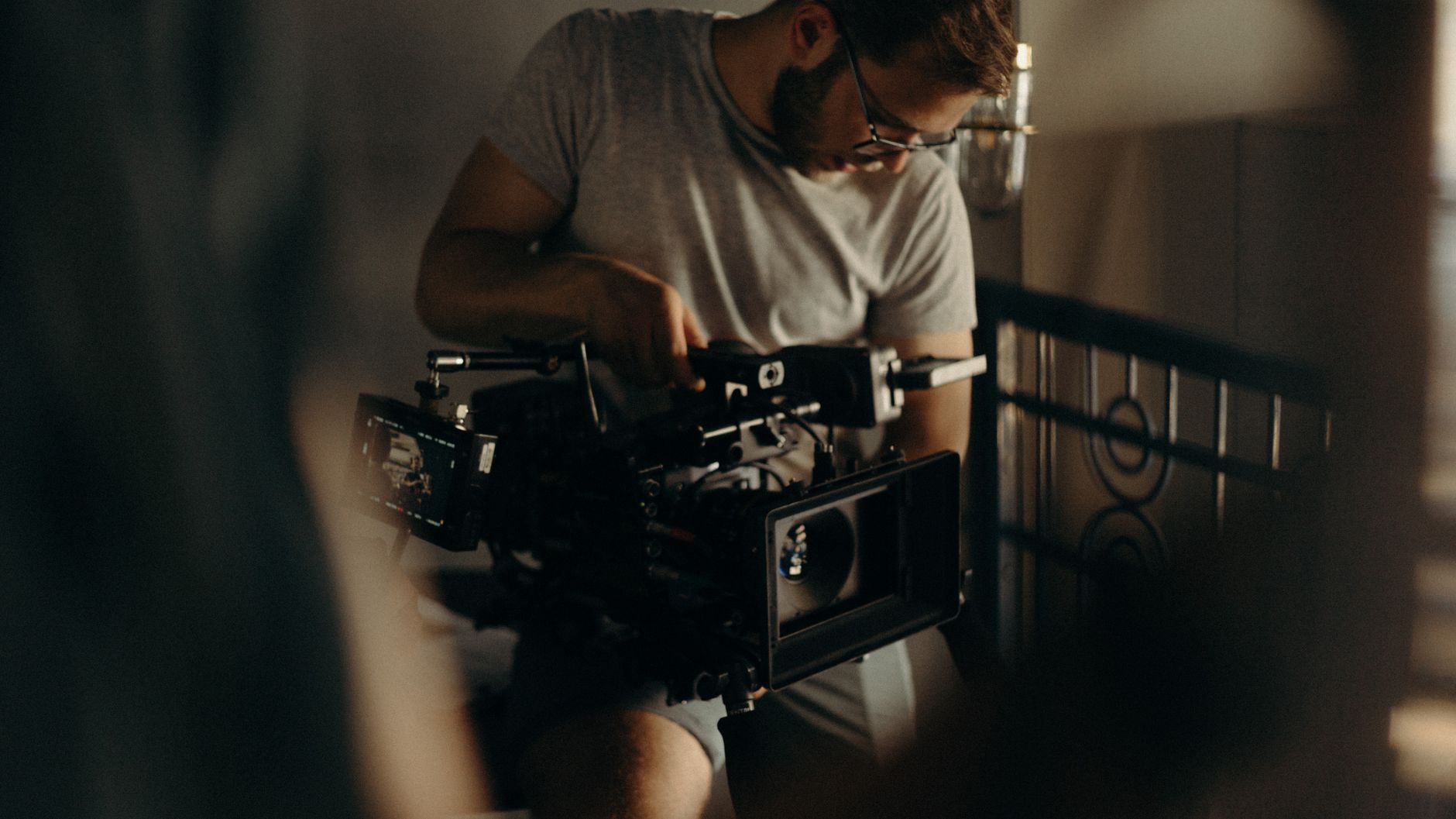
Learn how documentarians pick endings and what the final scene tells you about the story left out.