The Blair Witch Project: How Offscreen Space Becomes the Movie’s Scariest Location
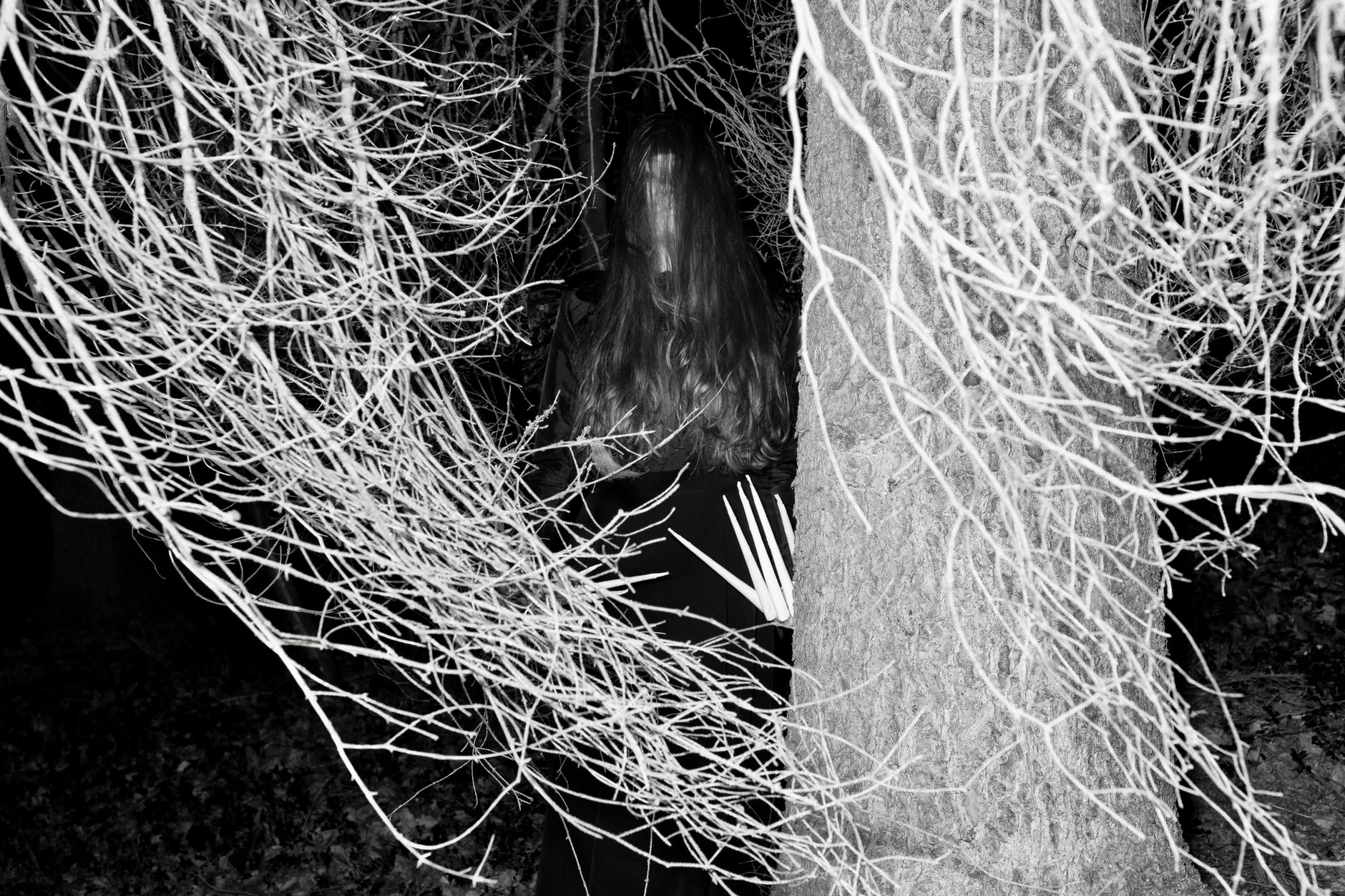
A close look at how Blair Witch keeps its threat permanently offscreen, and the specific craft choices — framing, sound, evidence — that make that work.
Find Forgotten Movies by Scene, Plot, or Description
How films are actually made and presented: CGI and practical effects, aspect ratios, IMAX and 4K formats, runtime and the craft behind the frame.
A close look at how Blair Witch keeps its threat permanently offscreen, and the specific craft choices — framing, sound, evidence — that make that work.

Bullet time reshaped action filmmaking by making a camera’s movement through a frozen instant feel as important as the action itself.

Learn how cuts, omissions, sound, and scrambled chronology make a hero’s version of events feel true—and then suspect.
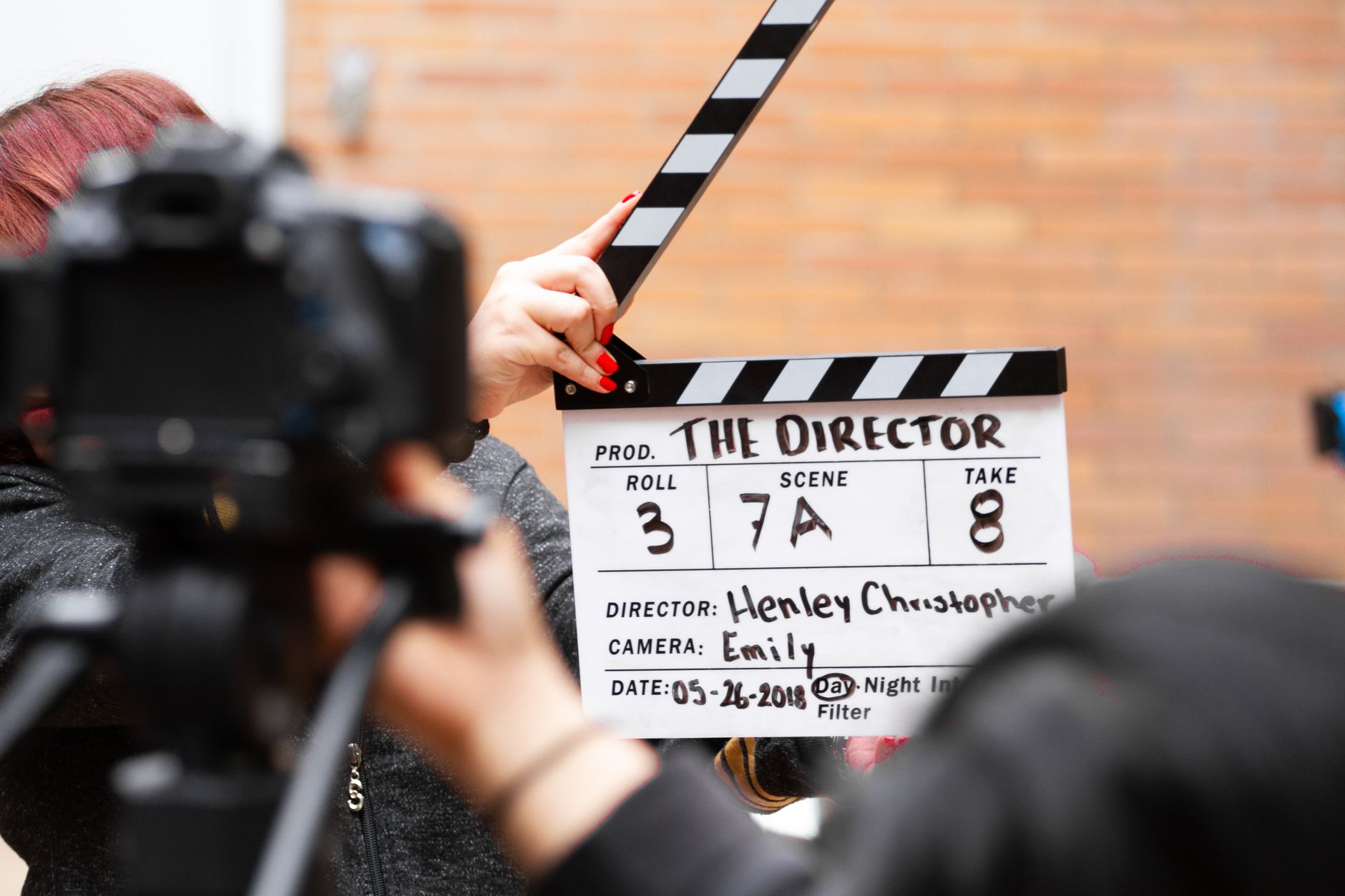
Find and disable the picture settings that create the soap opera effect while keeping optional help for distracting judder.
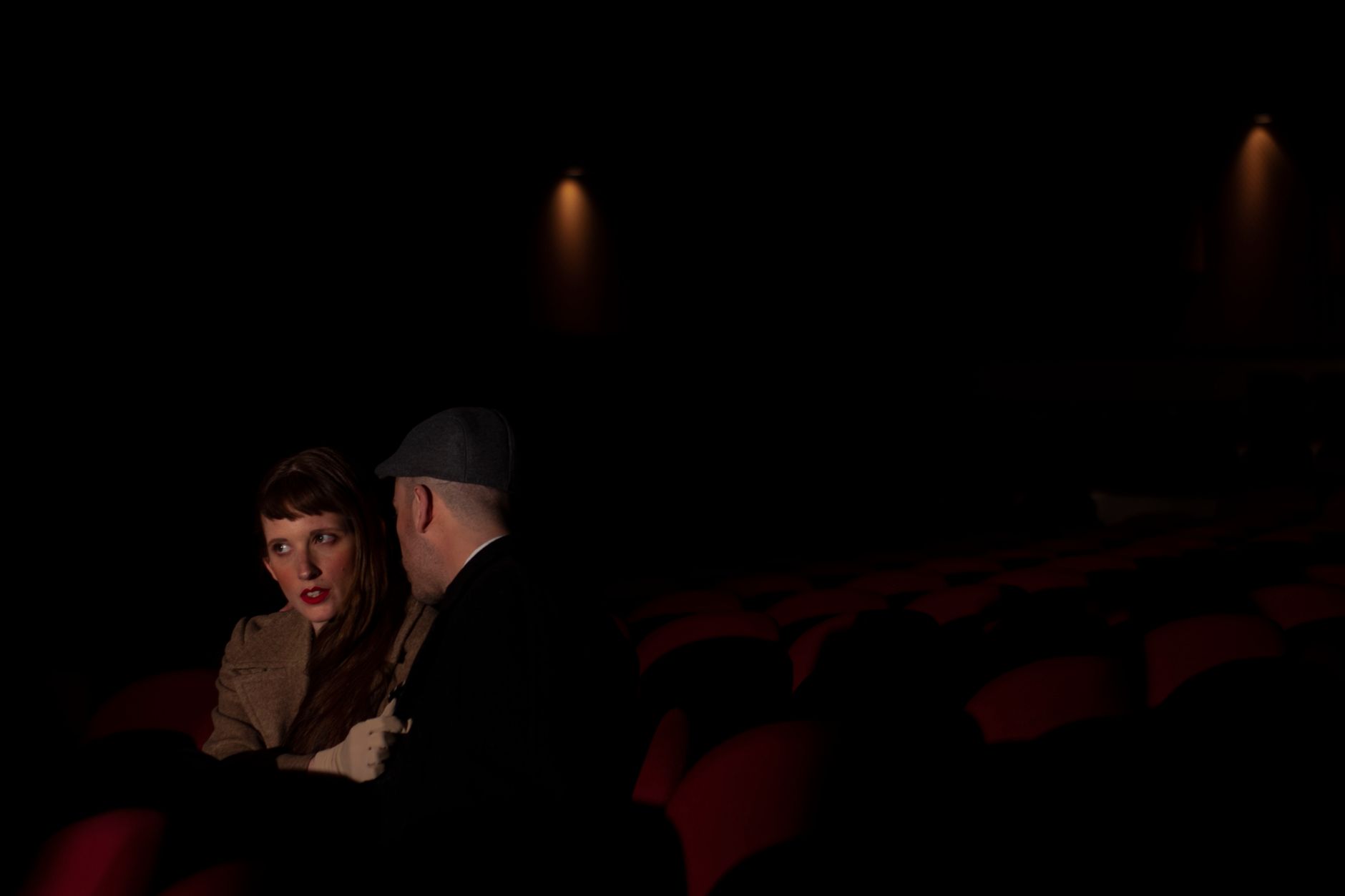
Fix quiet movie dialogue by checking audio formats, balancing volume, and correcting speaker or center-channel settings.

The cinematographer, or director of photography, decides how a film looks: lenses, light, camera movement and the final grade. What the job involves from prep to post, who works under the DP, and what Deakins, Lubezki and Autumn Durald Arkapaw show about it.

Learn to identify film palettes, track meaningful color shifts, and separate strong visual evidence from guesswork.
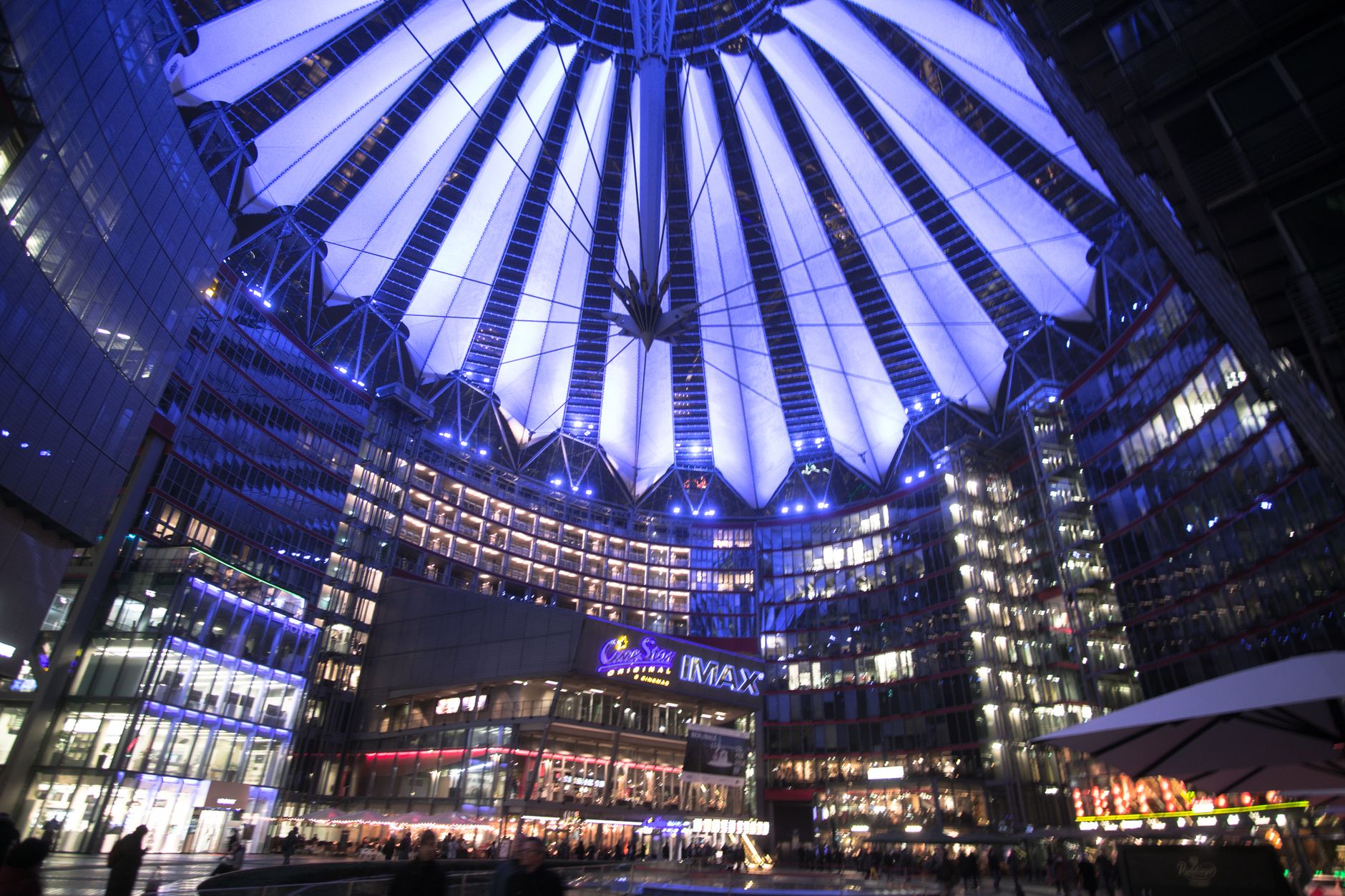
Compare 4DX motion effects with IMAX scale, sound, comfort, and film suitability before choosing a premium ticket.
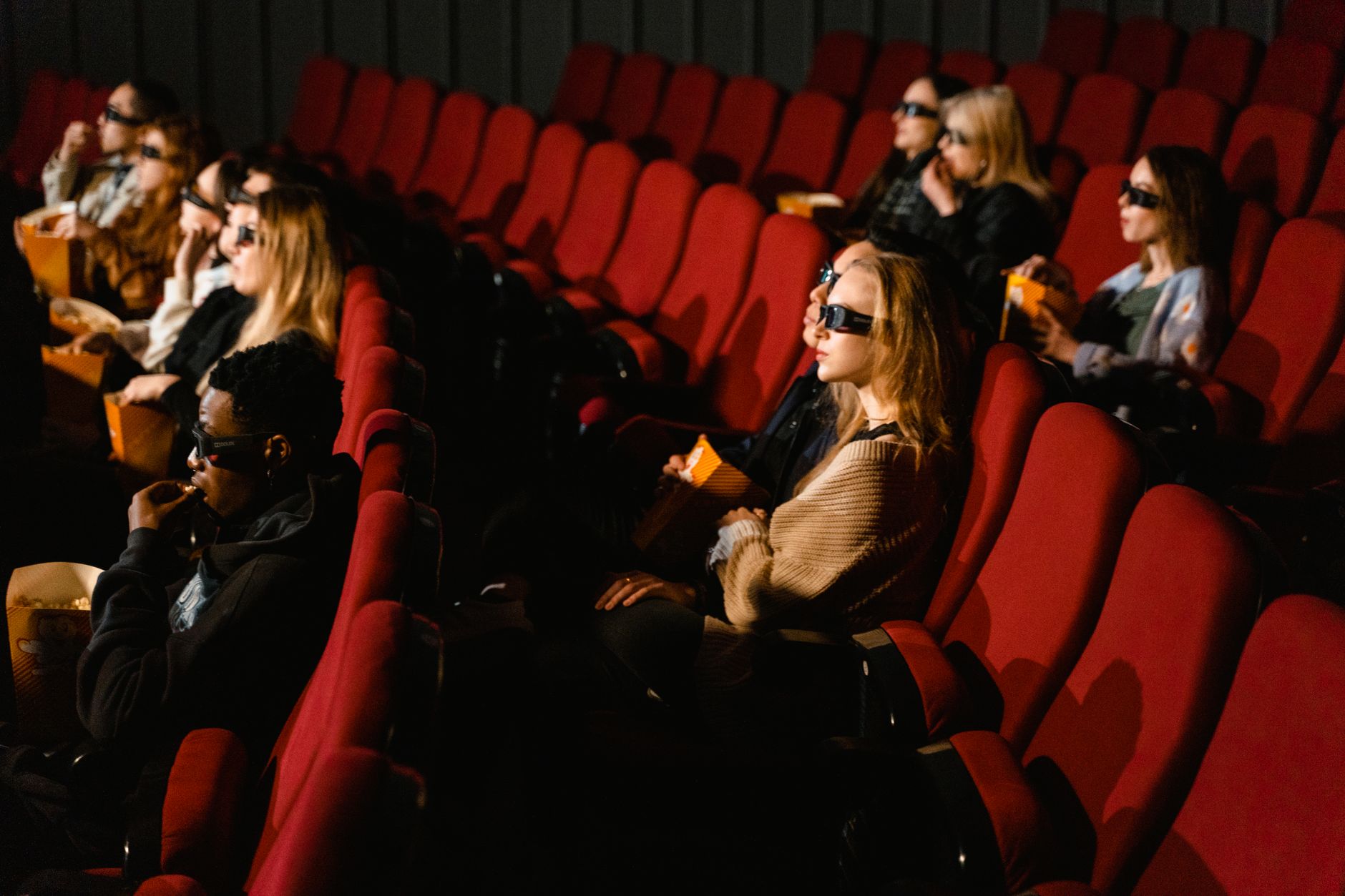
IMAX maximizes screen size for immersion; Dolby Cinema prioritizes color accuracy, brightness, and object-based spatial audio—choose based on how the film was shot and your theater’s actual quality.
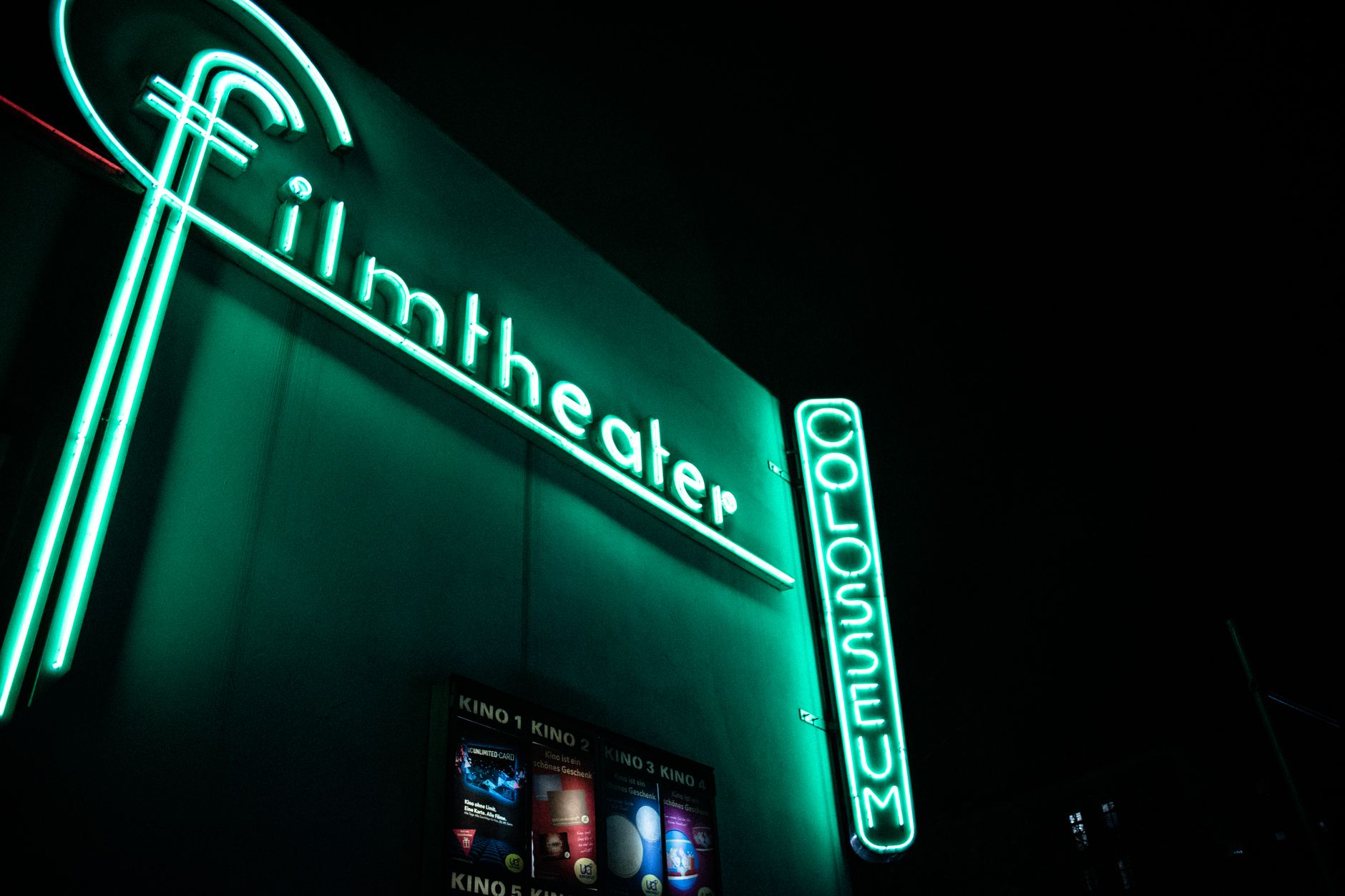
Scarce 70mm screens, aggressive resellers, and format confusion turned Nolan’s cinematic spectacle into a fight over access.