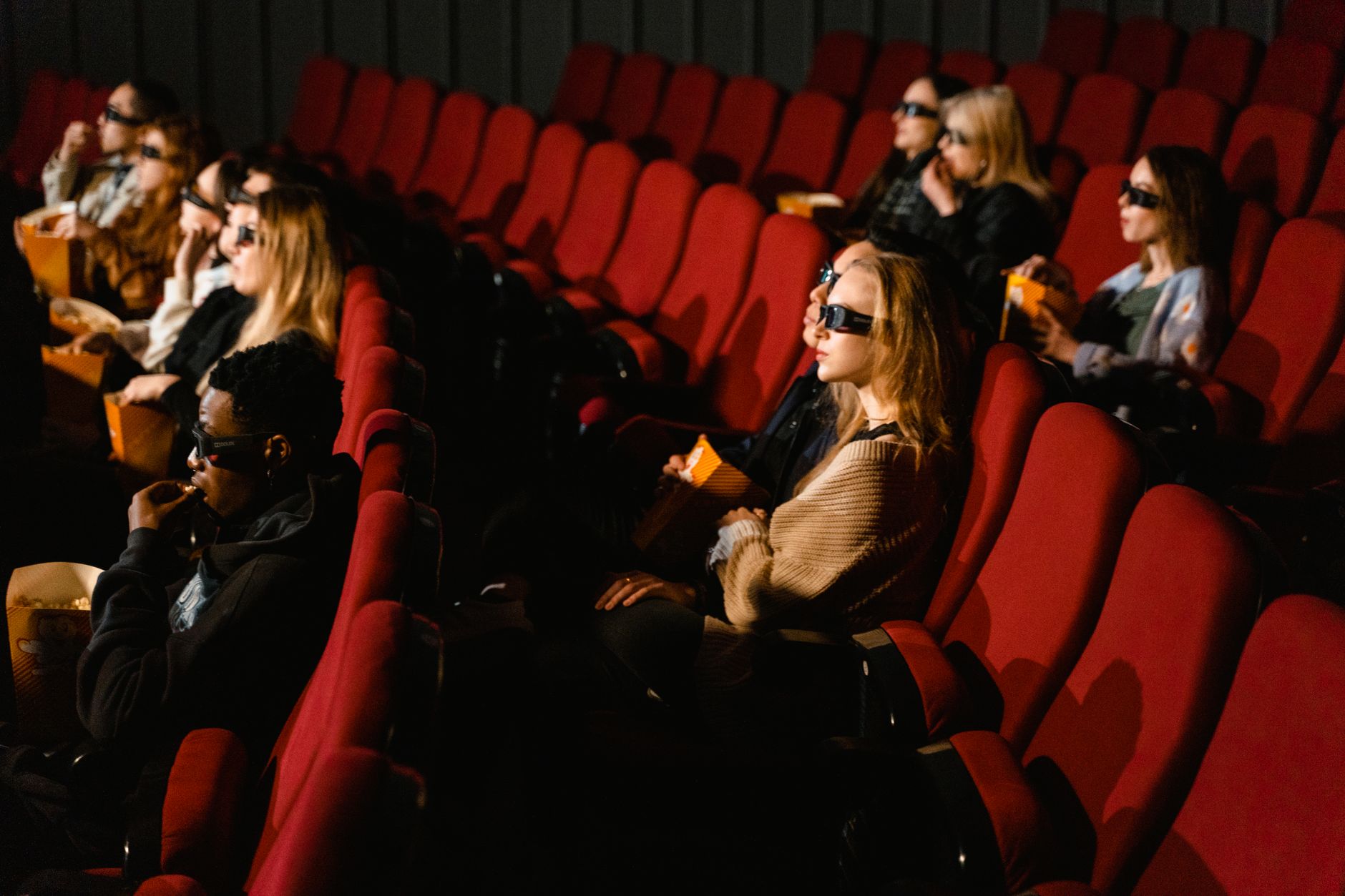
IMAX and Dolby Cinema are fundamentally different formats that each prioritize different aspects of the movie experience. IMAX emphasizes screen size and immersive scope—its screens are typically 6–8 stories tall and show significantly more of the image at once, creating a visceral, wrap-around effect. Dolby Cinema prioritizes brightness, color accuracy, and three-dimensional sound design, using laser projection with a wider color palette and overhead speakers positioned to move audio around the theater.
Neither format is objectively superior. Which works better depends on the film, your theater, and whether you value expansive visuals or refined image quality and sound mixing. Understanding what each format actually does—rather than relying on marketing terms—helps you choose based on what you'll actually experience.
Table of Contents
- Screen Size and Physical Experience
- Picture Quality, Brightness, and Color
- Sound Design and Audio Formats
- Film Format and Filmmaker Intent
- Theater Quality Varies Dramatically
- How to Choose for a Specific Film
- Frequently Asked Questions
Screen Size and Physical Experience
IMAX's defining characteristic is scale. Its screens are designed to fill your peripheral vision, which changes how you perceive action and depth. When a spaceship travels across the frame, it genuinely appears to move across your field of view rather than within a window. This immersion works especially well for films shot with the format in mind: large landscapes, action sequences, and scenes designed to exploit the extra vertical space. The tradeoff is practical.
IMAX screens are so large that seated viewers closest to the screen must turn their head to see the edges. If you sit in the front rows, you cannot take in the entire image without looking side to side. Sitting farther back solves this but diminishes the immersive advantage. Theater design determines whether IMAX actually feels expansive or strained in that specific room. Dolby Cinema screens are notably smaller—roughly the size of a traditional premium screen—which means the entire image remains within comfortable viewing distance regardless of where you sit. You trade immersive scale for control and visual refinement.
Picture Quality, Brightness, and Color
IMAX projects using either large-format film (15/70mm) or a dual-laser system. The image is bright and sharp, but color accuracy and the range of colors shown are secondary to achieving that brightness and detail at massive scale. Dolby Cinema uses single laser projection with a significantly wider color gamut—the range of colors it can display. A Dolby screen can show deeper blues, richer reds, and subtler gradations of color that a standard or IMAX screen cannot.
The laser is also optimized for brightness without washing out color, which matters for shadowy scenes and subtle lighting. films graded specifically for Dolby Cinema show noticeably different (and often more detailed) shadow and highlight areas than the same film in other formats. This distinction matters most in films with intentional color grading: science fiction, prestige dramas, or films where the cinematographer designed the image with a specific palette in mind. In an action film shot to look roughly the same everywhere, the difference is smaller. Your theater's actual maintenance and calibration also matter enormously—a poorly maintained Dolby screen may look worse than a well-kept IMAX screen in that same theater.
Sound Design and Audio Formats
IMAX theaters use a fixed configuration of large speakers positioned at set points around the auditorium. The sound comes from those fixed locations, creating a stable, directional experience. Dolby Atmos is object-based audio, meaning the mix specifies where sounds should move and position in three-dimensional space. Speakers overhead, to the sides, and at the rear can all play the same sound or different elements. A helicopter can start at the rear left, move across the ceiling, and exit front right—the system sends that sound to whichever speakers are needed at each moment. Overhead speakers specifically allow for a sense of height that traditional surround sound cannot create.
In practice, Dolby Atmos can make ambient sounds (wind, rain, crowd noise) feel like they surround and float above you rather than play from fixed points. Directional effects (car chases, explosions, pans across the sky) also feel more precise. Not all Dolby Cinema theaters have Atmos installed, though many do. Conversely, IMAX theaters typically do not have Atmos—IMAX has its own surround format, which is effective but does not include overhead channels. A film designed for Dolby Atmos will sound noticeably flatter (less dimensional) in an IMAX theater, and vice versa. The format you choose partially determines what the sound designer intended you to hear.
Film Format and Filmmaker Intent
Not all films are shot or designed for both formats. Some films are shot on IMAX cameras specifically (many Christopher Nolan films, for example, use IMAX sequences). Others are mastered for Dolby Cinema with grading and sound mixing tailored to that system. A handful are designed for both. When a film is shot partially on IMAX cameras, those sequences often show noticeably more vertical information—taller buildings, expanded sky, more headroom.
Viewing those sequences in standard or Dolby format shows a cropped, zoomed version. Similarly, sound mixing is often intentional: a film mixed for Dolby Atmos may rely on overhead channels for key dramatic moments, while an IMAX-designed film anchors sound in the fixed speaker positions. Checking how a film was shot or mixed before buying tickets is worth the minute of effort. The studio or filmmaker's website, IMDb technical specs, or theater websites often list which formats are available and which were used in production. A film shot for IMAX will not necessarily look better in an IMAX theater than in Dolby, but it will look as the filmmaker intended.
Theater Quality Varies Dramatically
A premium IMAX theater with a new laser projector and well-maintained screen delivers the format's promise. An IMAX screen in a smaller room or with aging equipment may look soft or dim. The same applies to Dolby Cinema—a theater that recalibrates its projector regularly and replaces worn screens will look far superior to one that does not.
You cannot always tell from the theater's name. A theater labeled "IMAX" or "Dolby Cinema" does not guarantee the version you see is the best version of that format. If your city has multiple options, visiting once to assess picture and sound quality is worth it before committing to that theater for a film you really want to see.
How to Choose for a Specific Film
If the film was shot primarily on IMAX cameras (Christopher Nolan's recent films, many documentaries about natural wonders), IMAX is closer to the filmmaker's intent if the theater's quality is good. If the film was mastered in Dolby with intentional color grading, Dolby will reveal details the director chose. For most commercial films shot and distributed in standard formats, both IMAX and Dolby will display the same image acceptably. Dolby typically offers richer color and potentially better sound design; IMAX offers immersion through scale.
Choose based on what matters to you in this specific film and what your local theaters offer in quality. Seat distance matters too. Sit far enough back at an IMAX theater to see the whole screen without moving your head. At a Dolby theater, sit where the screen fills your vision comfortably—typically the middle rows. Sitting in the front of any premium theater, whether IMAX or Dolby, forces you to crane your neck and negates much of the advantage.
Frequently Asked Questions
If I can only see one format, which should I choose?
It depends on the film. Check if it was shot in IMAX or mastered for Dolby. If both or neither are specified, choose the theater nearest you with the best reputation for maintenance.
Does IMAX have better sound than Dolby?
IMAX has dedicated surround speakers but not overhead channels. Dolby Atmos includes height speakers for more dimensional audio. If a film was mixed for one format, that format will sound as intended; in the other format, the mix translates reasonably but not perfectly.
Will I notice a difference if I'm not a film enthusiast?
Yes. You will notice IMAX's larger screen and Dolby's brighter, more colorful image. Whether those differences matter to you personally is the real question—some viewers prioritize immersion, others prefer visual clarity and comfort.
Is Dolby Vision the same as Dolby Atmos?
No. Dolby Vision is color and brightness grading for the image. Dolby Atmos is spatial audio. Some Dolby Cinema theaters have both; others have only the visual component.