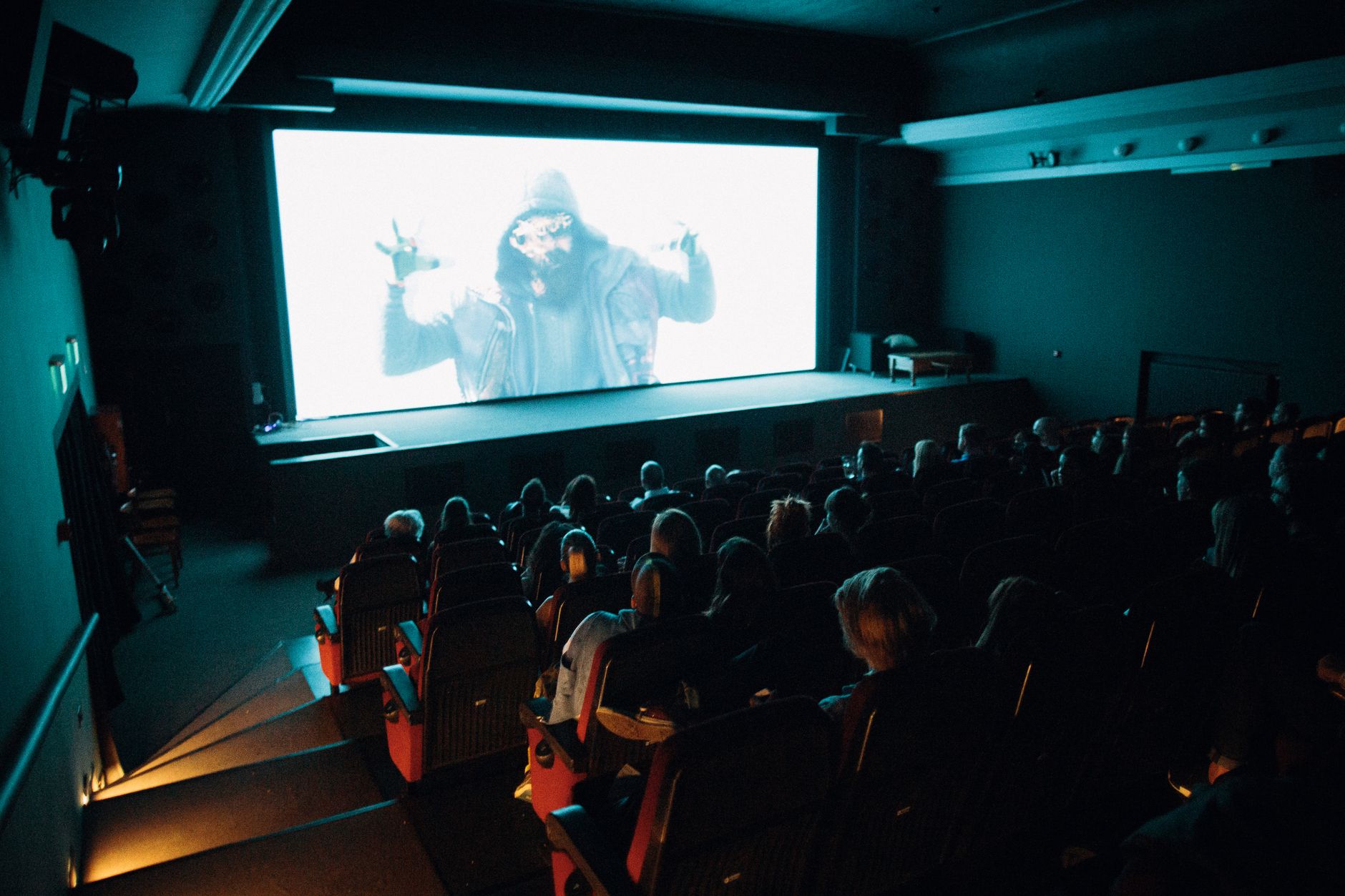
Horror movies explain so little in their endings because unanswered fear stays with viewers longer than solved puzzles. An ambiguous ending, a closing scene that leaves the threat unclear, keeps the danger feeling active after the film stops. This choice also protects the monster, ghost, or force at the story center. Once a film names every rule, the unknown becomes a problem to manage rather than something to fear.
Table of Contents
- What does withholding answers do to fear?
- Why do filmmakers trust mood over logic?
- How can viewers read clues without a full answer?
- When does an open ending feel unfair?
- What should viewers do after a puzzling ending?
- Frequently Asked Questions
What does withholding answers do to fear?
Withheld detail keeps the threat broad. A shadow in a doorway can mean many harms at once, while a full explanation narrows it to one cause. Viewers fill the gap with their own worries.
Silence also extends the scare past the theater. A clear defeat ends the threat, but an open ending suggests it may continue. That lingering risk creates discussion, replays, and second viewings.
Why do filmmakers trust mood over logic?
Horror works mainly through feeling, not reasoning. Sound, pacing, lighting, and performance build dread faster than plot details can. A late explanation can break that mood by shifting attention from feeling to facts.
Leaving questions open also respects the limits of belief. Long speeches about curses, science, or motives often sound weaker than the scare itself. A short image or sound can carry more weight than a full backstory.
How can viewers read clues without a full answer?
Many films give partial clues rather than straight truth. Viewers can track behavior, patterns, and changes instead of waiting for a speech that never comes.
This method turns confusion into play. The ending may stay open, yet repeat details point toward one or two likely readings.
- Watch what the threat avoids, repeats, or targets.
- Note which characters survive and what they refuse to do.
- Track objects, places, or sounds that return across scenes.
- Treat dreams, stories, and rumors as hints, not proof.
When does an open ending feel unfair?
Vagueness fails when earlier scenes promise a clear answer. A mystery built around one missing fact needs some payoff, even a partial one. Total silence then feels like avoidance rather than design.
It also fails when too many threads stay loose. One open question can haunt viewers; five can tire them. Strong endings usually leave the central threat alive but resolve the fate of the main people.
What should viewers do after a puzzling ending?
Rewatch key scenes with attention to choices, not lore. Small acts of guilt, grief, trauma, or denial often explain more than the monster does. Horror often uses the threat to express a human strain.
Talk through rival readings with other viewers. Compare what each reading explains and what it ignores. Keep the version that fits most scenes and deepens the fear rather than shrinking it.
Frequently Asked Questions
Are open horror endings just lazy writing?
Some are, but many use omission to preserve dread, theme, and repeat viewing.
Should I search for the director's explanation?
Treat outside remarks as one view, since the film itself remains the main source of meaning.