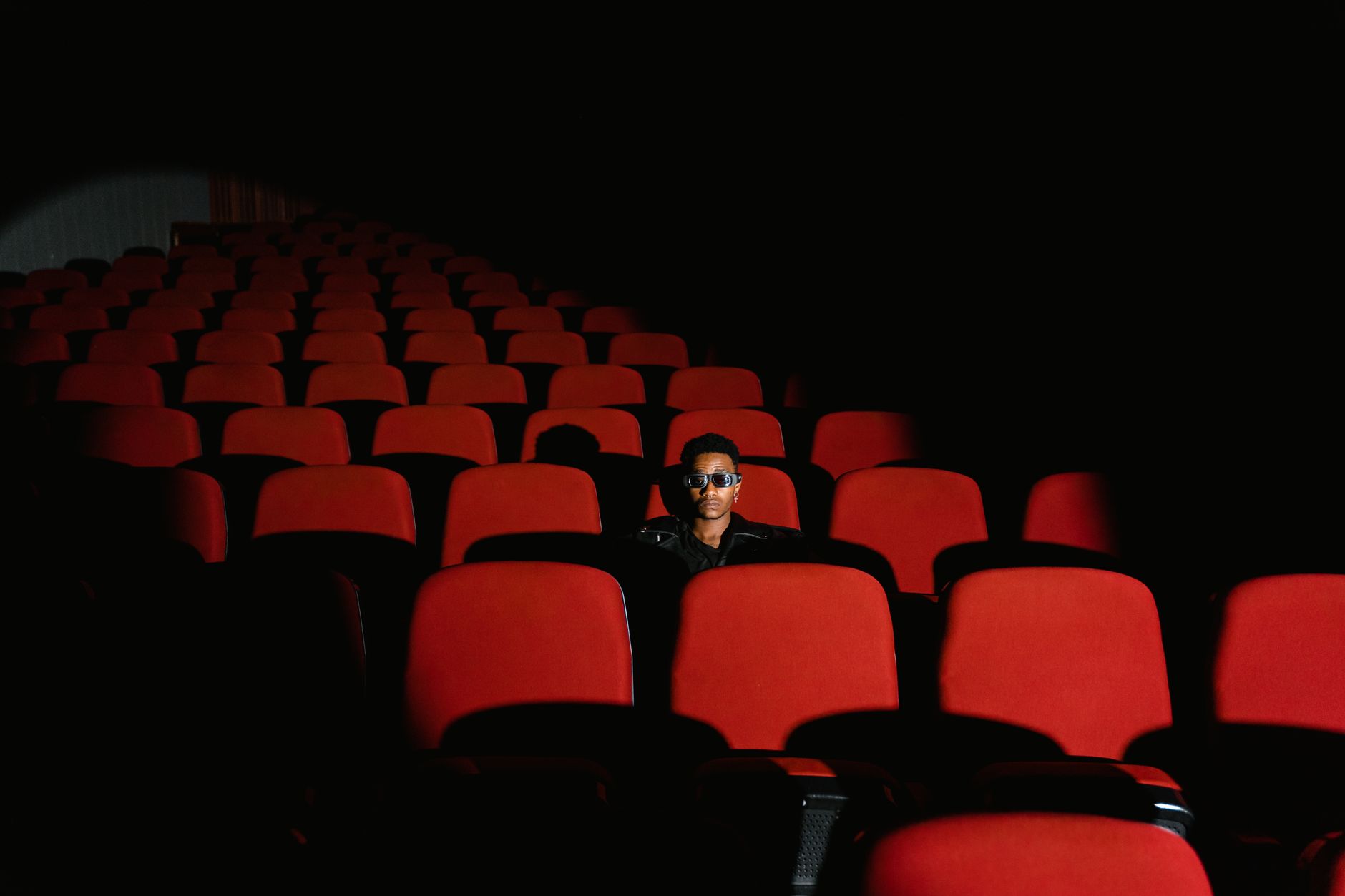
Critics and audiences rank movies differently because they judge with different goals and different viewing contexts. Critics reward craft, originality, and meaning, while audiences reward enjoyment, comfort, and value for time and money. The review gap is the split between professional ratings and viewer ratings for the same film. It widens on certain kinds of movies and narrows on others, so the two scores work best as separate signals.
Table of Contents
- What is each score really measuring?
- Who is voting, and who is missing?
- Why do timing and setting change the verdict?
- How can you use both scores to pick better?
- What is each score really measuring?
- Who is voting, and who is missing?
- Why do timing and setting change the verdict?
- How can you use both scores to pick better?
What is each score really measuring?
Critics usually rate how well a film achieves its artistic aims. They weigh direction, writing, acting, cinematography, editing, and how fresh or coherent the whole work feels. Audiences usually rate how the movie felt to watch.
They weigh story clarity, pacing, humor, emotion, characters worth following, and whether the ending felt satisfying. That difference explains many splits. A slow, inventive drama can earn praise for form and ideas while leaving many viewers bored, and a familiar action film can feel fun on a Friday night while striking critics as repetitive.
Who is voting, and who is missing?
Professional critics are a small group with similar training and viewing habits. They watch a large volume of films, compare each new release to film history, and often prize novelty over familiarity.
Audience scores come from self-selected viewers who chose to watch and then chose to rate. That group skews toward fans for franchise films, toward early enthusiasts on opening weekend, and toward disappointed viewers when a film sparks a backlash.
- Critic pool: small, experienced, novelty-seeking
- Opening-weekend audience pool: enthusiastic, fan-heavy
- Later audience pool: broader, more mixed, shaped by word of mouth
Why do timing and setting change the verdict?
Critics often watch at festivals, press screenings, or daytime shows without crowd energy. A quiet setting favors subtle acting, complex structure, and visual detail, and it exposes weak dialogue or thin plotting. Many viewers watch at home or in a lively theater with friends and family.
A shared laugh, a loud set piece, or an emotional payoff lands harder there, while a slow middle act feels longer on a couch with phones nearby. Expectations also shift the score. A viewer who wanted romance, horror, or faithful adaptation judges whether the film delivered that promise, while a critic judges whether the promise itself was interesting.
How can you use both scores to pick better?
Treat the two scores as answers to two questions. Use the critic score to ask whether the film is well made, and use the audience score to ask whether people like you had a good time. Match the signal to your goal. For a challenging drama, documentary, or foreign-language film, lean on critics who watch widely in that style; for comedy, horror, family viewing, or a franchise sequel, lean on audience response from regular viewers.
Read a few short reviews from each side before you commit. Look for repeated notes on pacing, tone, content warnings, and endings, then skip films whose common complaints match your dislikes.INTRODUCTION: Critics and audiences rank movies differently because they judge with different goals and different viewing contexts. Critics reward craft, originality, and meaning, while audiences reward enjoyment, comfort, and value for time and money. The review gap is the split between professional ratings and viewer ratings for the same film. It widens on certain kinds of movies and narrows on others, so the two scores work best as separate signals.
What is each score really measuring?
Critics usually rate how well a film achieves its artistic aims. They weigh direction, writing, acting, cinematography, editing, and how fresh or coherent the whole work feels. Audiences usually rate how the movie felt to watch.
They weigh story clarity, pacing, humor, emotion, characters worth following, and whether the ending felt satisfying. That difference explains many splits. A slow, inventive drama can earn praise for form and ideas while leaving many viewers bored, and a familiar action film can feel fun on a Friday night while striking critics as repetitive.
Who is voting, and who is missing?
Professional critics are a small group with similar training and viewing habits. They watch a large volume of films, compare each new release to film history, and often prize novelty over familiarity.
Audience scores come from self-selected viewers who chose to watch and then chose to rate. That group skews toward fans for franchise films, toward early enthusiasts on opening weekend, and toward disappointed viewers when a film sparks a backlash.
- Critic pool: small, experienced, novelty-seeking
- Opening-weekend audience pool: enthusiastic, fan-heavy
- Later audience pool: broader, more mixed, shaped by word of mouth
Why do timing and setting change the verdict?
Critics often watch at festivals, press screenings, or daytime shows without crowd energy. A quiet setting favors subtle acting, complex structure, and visual detail, and it exposes weak dialogue or thin plotting. Many viewers watch at home or in a lively theater with friends and family.
A shared laugh, a loud set piece, or an emotional payoff lands harder there, while a slow middle act feels longer on a couch with phones nearby. Expectations also shift the score. A viewer who wanted romance, horror, or faithful adaptation judges whether the film delivered that promise, while a critic judges whether the promise itself was interesting.
How can you use both scores to pick better?
Treat the two scores as answers to two questions. Use the critic score to ask whether the film is well made, and use the audience score to ask whether people like you had a good time. Match the signal to your goal.
For a challenging drama, documentary, or foreign-language film, lean on critics who watch widely in that style; for comedy, horror, family viewing, or a franchise sequel, lean on audience response from regular viewers. Read a few short reviews from each side before you commit. Look for repeated notes on pacing, tone, content warnings, and endings, then skip films whose common complaints match your dislikes.