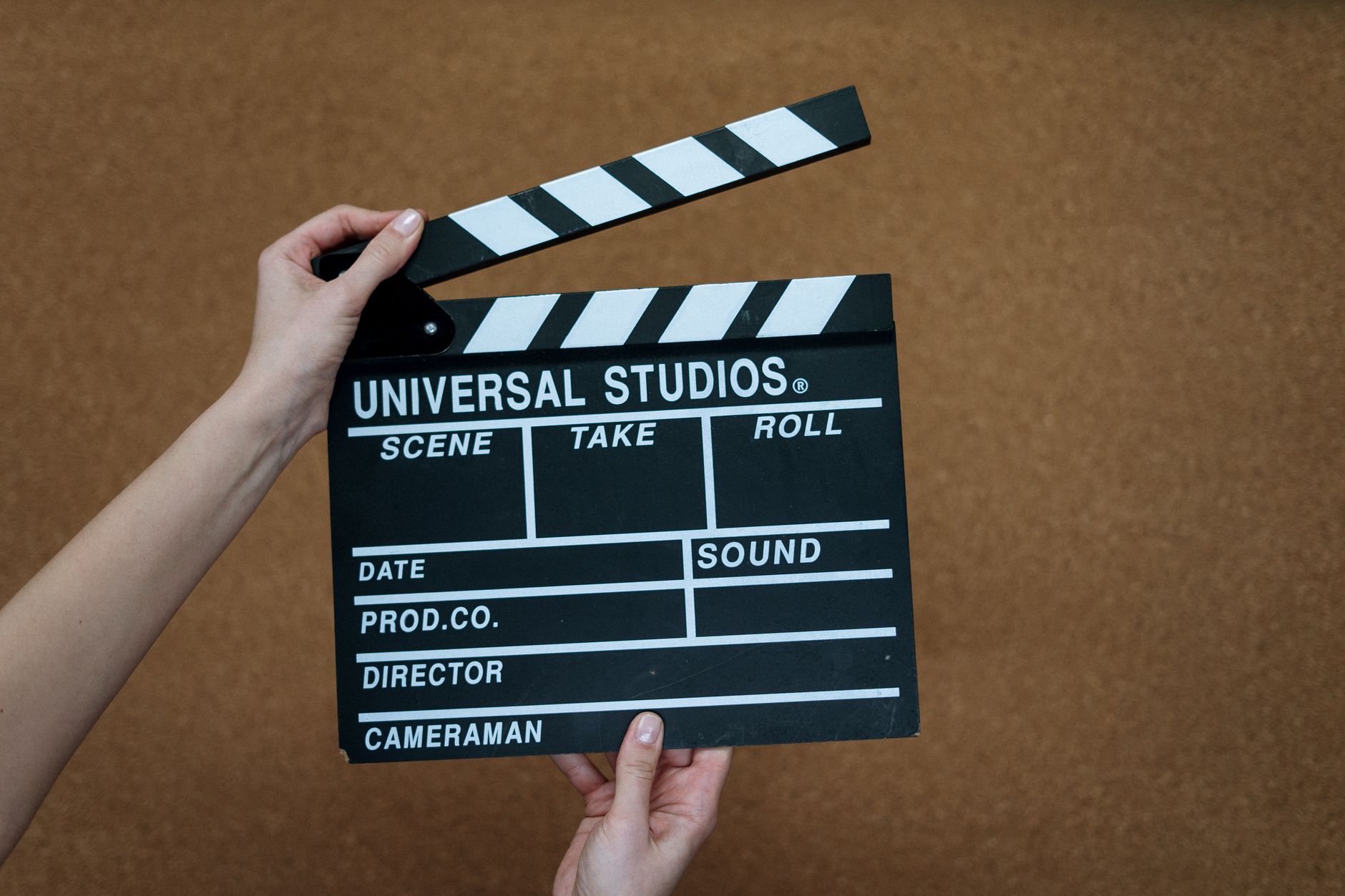
Trailers act as a film's main sales pitch and drive box office by building awareness and intent to watch. They matter most for opening weekend, when a strong preview can turn curiosity into advance tickets. A trailer is a short edited preview that shows tone, story setup, and spectacle. Box office performance means ticket revenue, especially early revenue that signals wider success.
Table of Contents
- How do trailers turn interest into tickets?
- What makes a trailer persuasive?
- Where do trailers reach audiences now?
- What limits trailer power?
- How can viewers judge a trailer wisely?
How do trailers turn interest into tickets?
Trailers create recognition before release. A viewer who remembers the title, genre, and hook is more ready to choose it on Friday night. They also reduce uncertainty about what the ticket buys.
Clear stakes, humor, action, or emotion help a casual viewer decide quickly. Confusing previews leave that decision unresolved. For original films, this job is larger. Without familiar characters, the trailer must introduce the world and explain why it deserves a theater trip.
What makes a trailer persuasive?
The strongest trailers show a clear promise in little time. They establish who the story follows, what is at stake, and what kind of experience awaits. Tone matters as much as plot.
Comedy needs laughs, horror needs dread, and spectacle needs scale. Music, pacing, and a final striking image help viewers remember the film. Casting and familiar material can sharpen appeal. A known star, director, character, or song gives viewers an instant reason to pay attention.
- Clear central conflict
- Distinct visual or comic moment
- Consistent tone from start to finish
- One memorable closing shot or line
Where do trailers reach audiences now?
Many viewers first meet a film online rather than in a theater. Official posts, shares, reactions, and short cuts spread the same footage across feeds. Theater placement still carries weight.
A preview before a similar hit reaches people who already buy tickets for that kind of story. Television spots, outdoor ads, and interviews often repeat trailer images. That repetition builds familiarity, so opening week feels like an event rather than a surprise.
What limits trailer power?
A trailer cannot sustain weak word of mouth. If early viewers report boredom, confusion, or disappointment, later weekends usually soften. Misleading trailers carry their own risk.
A preview that hides the genre, overuses the best jokes, or promises a different film may boost opening night but hurt trust and repeat business. Competition and timing also shape results. Holidays, rival releases, weather, ticket prices, andreviews can lift or blunt even a popular preview.
How can viewers judge a trailer wisely?
Watch for what the trailer proves rather than suggests. Finished scenes, clear character goals, and consistent style tell more than quick flashes and praise lines. Compare the first teaser with the later full trailer.
Big shifts in tone, story focus, or marketing angle can signal uncertainty about the final film. Use trailers as a starting filter, then check runtime, rating, and trusted reviews. That habit helps you spend on films you will likely enjoy.