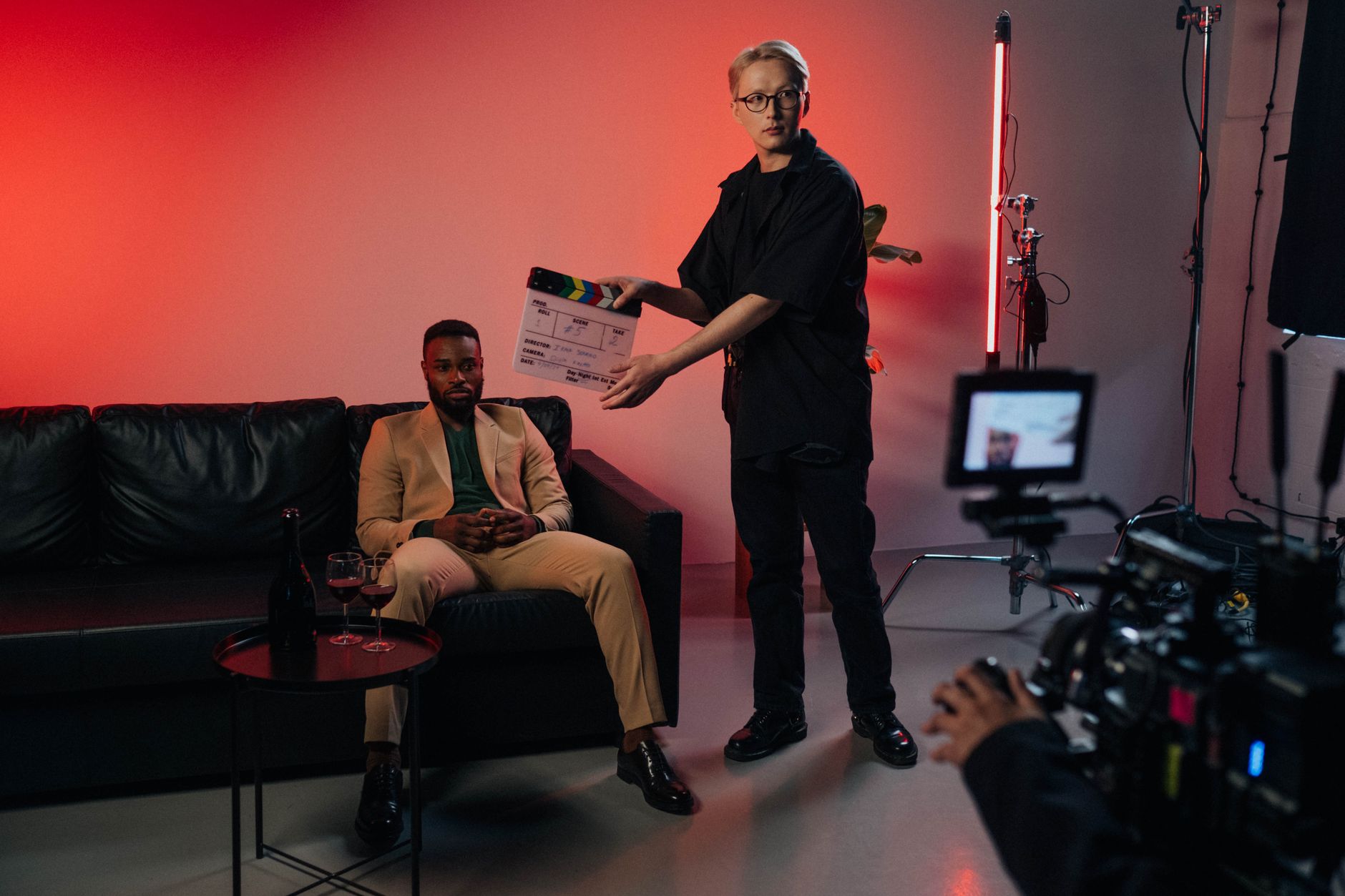
A casting director finds, auditions, and recommends actors for each role in a movie. The job shapes the film by matching skill, presence, and chemistry to the story and the director's plan. A casting director is the specialist hired to run that search. Directors and producers make final choices, but the options they see come largely from casting work.
Table of Contents
- What does a casting director actually do?
- Who decides, and where does casting fit?
- How does casting shape story and tone?
- What are the limits of casting?
- Frequently Asked Questions
What does a casting director actually do?
The work starts with breakdowns, short descriptions of each speaking role. The casting team shares them with agents and managers, then reviews submissions and reels. Auditions follow, often in rounds.
Early tapes narrow the field, while callbacks test pairing, tone, and direction. The team also checks availability, contracts, and scheduling fit. A useful way to picture the process is:.
- read the script for role needs and relationships
- build a wide pool of candidates, known and new
- run auditions and chemistry reads
- present a shortlist with notes to the director
Who decides, and where does casting fit?
The director sets the creative direction for performance and ensemble. Producers weigh budget, schedule, star value, and market needs. The casting director connects those views through concrete choices. For lead roles, the casting director may arrange screen tests and negotiated offers.
For smaller parts, day players, and background talent, the team often has wider authority. Stunt, dance, voice, and child roles can bring added specialists and rules. This middle role matters because taste alone cannot carry a production. A strong shortlist keeps decisions fast, comparable, and tied to the same brief.
How does casting shape story and tone?
Actors carry meaning before they speak. Age, voice, rhythm, physicality, and past roles color how viewers read motive, humor, threat, or warmth. Careful pairing can make a rivalry sharper or a romance easier to trust. Ensemble balance is another lever.
Contrast in energy helps scenes stay legible, while shared style keeps the world coherent. A comedy needs timing partners, a thriller needs credible pressure, and a drama needs sustained emotional range. Casting also affects believability in specific skills. Accents, languages, music, sports, and fight work must look lived-in. Good casting reduces the need for camera tricks and dubbing.
What are the limits of casting?
Even strong casting cannot repair a weak script, rushed schedule, or unclear direction. Performances still need rehearsal, clear blocking, sound, editing, and support on set. Type can also become a trap.
A familiar face may distract, while an exact physical match may lack the needed skill. Smart teams test against the scene, not the headshot. Viewers can use this when judging films. Ask whether each actor fits the role's demands, whether pairs spark or stall, and whether minor roles hold the world together.
Frequently Asked Questions
Does the casting director hire the stars?
They recruit, test, and recommend, but directors, producers, and studios approve major hires and deals.
How is film casting different from auditions for school plays?
Film casting weighs camera presence, editing, schedule, contracts, and long-term audience associations alongside live performance.