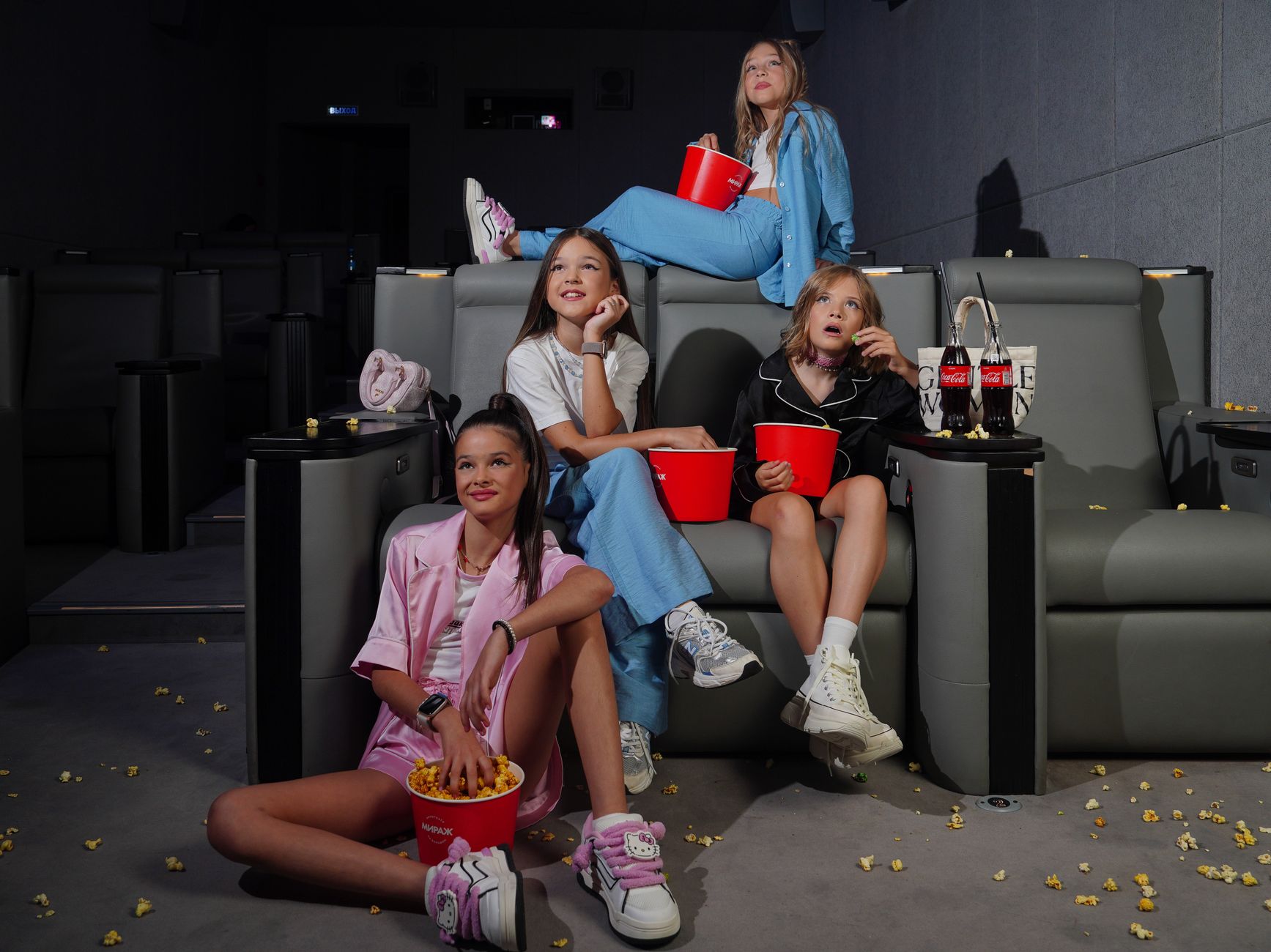
A bottle episode is an episode filmed in one main location with a small cast and limited effects. It tells a complete story while saving money and production time for larger episodes. The focus stays on character conflict, dialogue, and pressure. Many viewers enjoy these episodes because the limits force clearer choices and sharper scenes.
Table of Contents
- Why Do Shows Make Bottle Episodes?
- What Does a Bottle Episode Look Like?
- How Is a Bottle Episode Different From Filler?
- What Should Viewers Watch For?
- Frequently Asked Questions
Why Do Shows Make Bottle Episodes?
Television seasons have fixed budgets, schedules, and sets. A bottle episode uses existing sets and fewer actors, so the production can shift money toward premieres, finales, or effects-heavy stories. It also gives crews breathing room during a demanding shoot.
A simple setup can be filmed faster, with fewer locations, costumes, and action sequences. For writers, the constraint can be useful. With less plot to service, they can deepen relationships, resolve tension, or test a character under stress.
What Does a Bottle Episode Look Like?
Most bottle episodes stay in one apartment, office, ship, courtroom, or isolated outdoor spot. The cast is often limited to series regulars, plus one guest character at most. The story usually centers on one problem: an argument, a trapped situation, a trial, an interrogation, or a long-delayed conversation.
Time may pass in almost real time, which raises pressure. A well-known pattern is characters stuck together and unable to leave. The camera stays close, scenes run longer, and small actions carry more meaning.
How Is a Bottle Episode Different From Filler?
Filler adds running time without changing the story. A strong bottle episode changes how viewers understand a character, even if the wider plot barely moves. Filler often introduces side quests or minor characters that are soon forgotten.
A bottle episode usually removes those distractions and keeps attention on the core cast. The test is consequence. If the episode alters trust, reveals motive, forces a choice, or shifts a relationship, it is doing structural work.
What Should Viewers Watch For?
Watch entrances and exits, because limited space makes movement meaningful. Who controls the door, the phone, the weapon, or the secret often controls the scene. Listen for repeated lines and callbacks.
Writers use repetition to show changing power, guilt, fear, loyalty, or resolve. Notice what the episode avoids showing. A story set in one room can imply danger, loss, or change outside without spending screen time there.
- Count the locations: one or two main spaces signals a bottle structure.
- Count the cast: regulars plus little outside help points the same way.
- Ask what changed: a clearer motive, broken alliance, confession, or decision marks it as essential.
Frequently Asked Questions
Are bottle episodes always cheap-looking?
No. Many use careful lighting, blocking, and pacing to make one room feel tense and cinematic.
Can a bottle episode advance the main plot?
Yes. The best ones reveal motives, break alliances, or force decisions that shape later episodes.
Why do fans remember them?
The narrow focus leaves room for strong acting, sharp arguments, and moments that define a character.