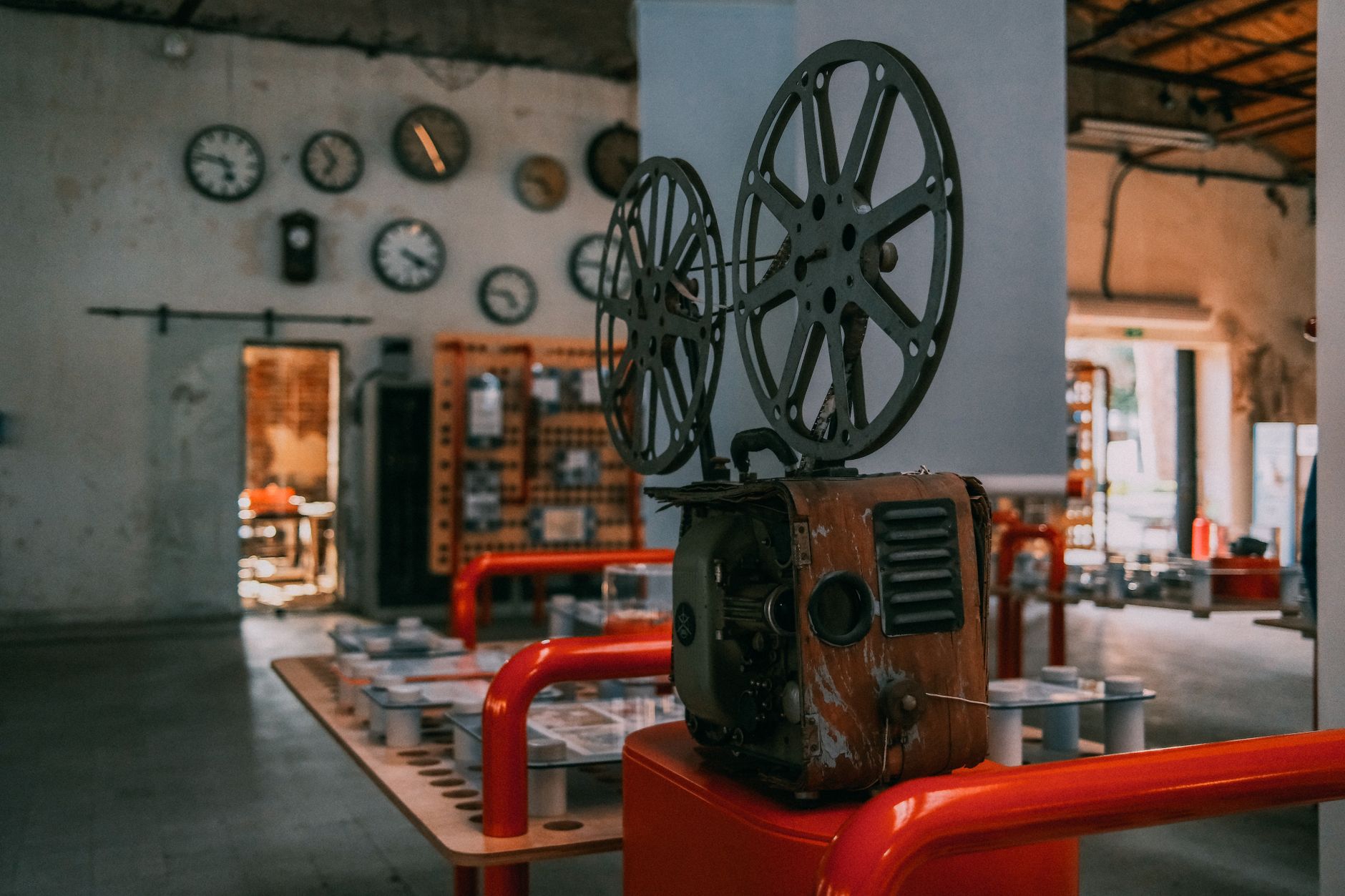
The best place to start with steampunk movies is Hugo because it shows the genre clearly without overwhelming a newcomer. It gives you gears, automata, and inventors inside a warm, easy-to-follow story.
Steampunk is a style of fantasy where Victorian-era design meets imagined steam-powered technology. Think brass clocks, airships, submarines, and workshops full of handmade machines. Hugo works as an entry point because it lets you see those ideas in action before you learn the label.
Table of Contents
- What Makes a Movie Steampunk?
- Why Start With Hugo?
- Which Film Should You Try Next?
- What Should Beginners Save for Later?
What Makes a Movie Steampunk?
Steampunk blends old-fashioned settings with technology that never existed. The past looks familiar, but engineers in the story build mechanical computers, walking houses, or flying machines. Craft matters as much as plot, so pay attention to costumes, tools, and vehicles. It differs from straight science fiction because the future runs on steam, springs, and clockwork rather than electronics.
It differs from fantasy because machines, not spells, solve most problems. Magic may appear, but invention drives the world. Not every film with top hats or trains qualifies. Look for three signs together: historical flavor, visible machinery, and pride in making things by hand. If a movie has all three, you are watching steampunk.
Why Start With Hugo?
Hugo follows an orphan who tends the clocks in a Paris train station and tries to repair a broken automaton. The story stays focused on one boy, one machine, and one mystery. You never need prior genre knowledge to follow it. The film teaches steampunk visually.
You see gears turn, keys wind, drawings guide repairs, and early filmmakers create movie tricks with practical tools. Each device has a clear purpose, so the style feels inviting rather than strange. Watch for how people fix things. Characters oil parts, trade components, study sketches, and test ideas through trial and error. That hands-on problem solving sits at the center of most later steampunk stories.
Which Film Should You Try Next?
Once you understand the basics, choose by taste rather than by reputation. Steampunk covers adventure, mystery, romance, and animation, so your second film should match what you already enjoy.
Pick one path and notice how the technology changes the characters' choices. Adventurers explore farther, rivals take bigger risks, and travelers depend on machines that can break. That link between device and decision is the genre's main pleasure.
- For classic adventure: try 20,000 Leagues Under the Sea, built around a remarkable submarine and its driven captain.
- For mystery and rivalry: try The Prestige, where stage magicians turn to rival engineers and dangerous devices.
- For animation and wonder: try Howl's Moving Castle, centered on a walking castle powered by steam and fire.
- For western action with gadgets: try Wild Wild West, which places inventors and steam weapons in a frontier chase.
What Should Beginners Save for Later?
Save darker or stranger steampunk for your third or fourth viewing. The City of Lost Children offers rich design, but its dream logic and grim tone can confuse someone still learning the style. Mortal Engines has large moving cities, yet it assumes comfort with heavy world-building. Also delay parodies and mashups.
Films that joke about the genre work best after you know its normal rules. Watch at least two sincere entries first, so you can tell clever twists from weak storytelling. If a film bores you, switch substyles instead of quitting the genre. Move from live action to animation, or from adventure to mystery. Keep Hugo as your reference point for clear, humane invention.