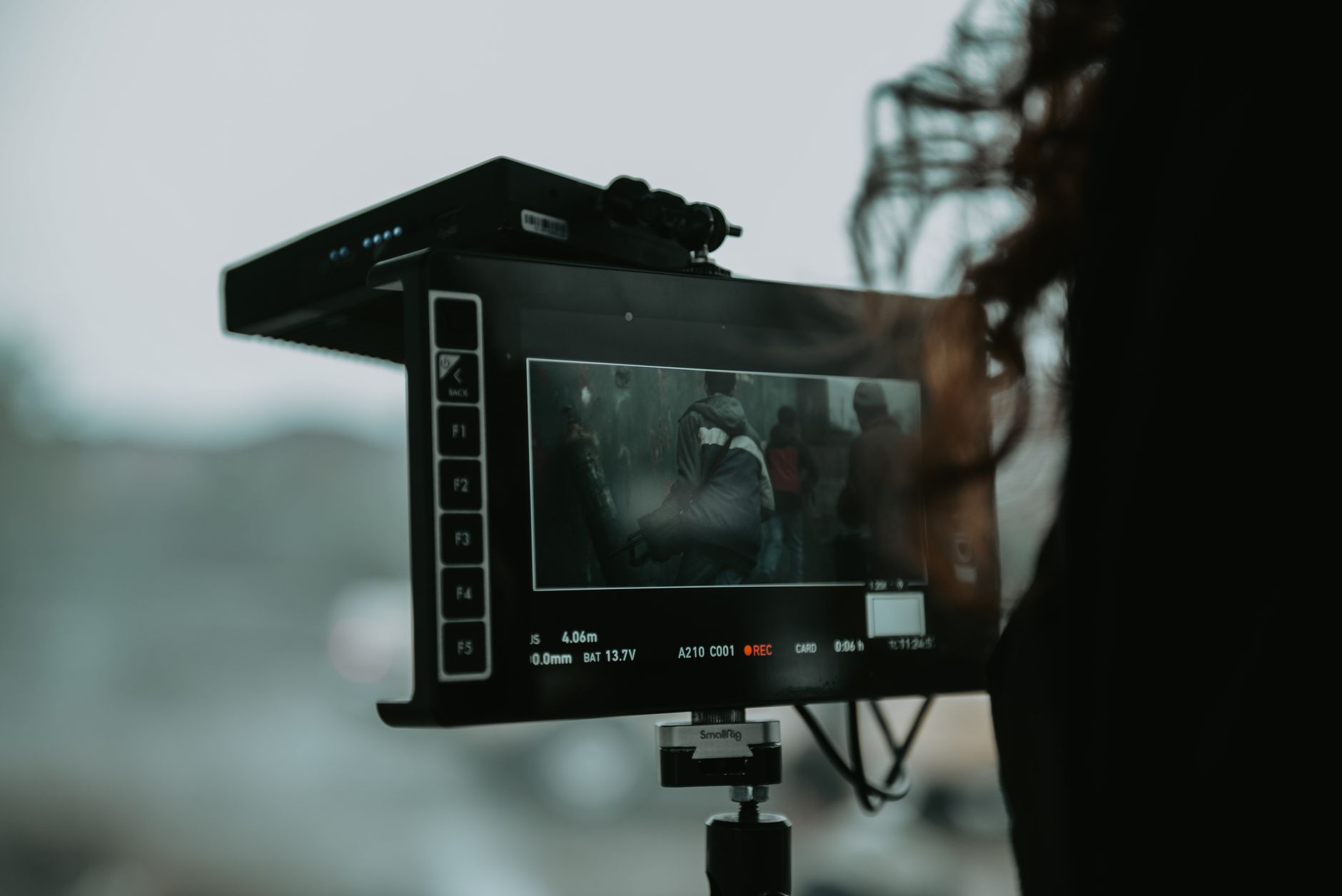
Most movies are shot at 24 frames per second because that rate became the industry standard in 1927, when the first synchronized sound systems were measured running at exactly that speed. It stuck for the better part of a century because changing it now would mean replacing cameras, projectors, and editing systems across the entire film industry. The frame rate also shapes how a movie looks. Audiences have watched 24 fps footage for so long that its particular motion blur and slight judder now read as "cinematic," while faster frame rates can look like live television instead.
Table of Contents
- Where 24 FPS Actually Came From
- Was 24 FPS Really Universal From Day One?
- How Projectors Hide the Flicker of a Low Frame Rate
- Why Hasn't the Industry Just Switched to a Higher Rate?
- What This Means for How Movies Look Today
Where 24 FPS Actually Came From
Silent films were never locked to a single speed. Cameras were hand-cranked, and operators ran them anywhere from roughly 16 to 18 frames per second, occasionally pushing closer to 24 for action scenes. That slower pace was partly a budget decision: fewer frames meant less film stock burned per minute, and 16-18 fps was about the minimum rate that still produced motion audiences would accept, according to a FilmLifestyle and SlashGear roundup of the format's history. Sound changed the math.
In September 1927, the Society of Motion Picture Engineers' Standards and Nomenclature Committee surveyed the sound systems just entering commercial use and found that both major competitors, Vitaphone and Movietone, were already running at 24 frames per second, as a Criterion Forum post citing Earl Sponable's historical paper documents. That survey became the basis for the committee's choice. The SMPE then adopted 24 fps as its standard projection speed for sound film that same year. The number wasn't arbitrary: it landed close to the slowest speed at which synchronized audio could still play back at a natural pitch without wasting excessive film stock, a balance explained in Production Expert's history of timecode origins.
Was 24 FPS Really Universal From Day One?
Not immediately. SMPTE's own later technical standard, ST 428-21, states plainly that no single common frame rate governed the fledgling sound-film industry in the late 1920s.
Studios didn't fully harmonize on 24 fps for presentation until the mid-1930s, according to SMPTE's ST 428-21-2011 standard itself. So the 1927 survey set a direction, not an instant mandate. It took roughly a decade of competing sound systems, hardware upgrades, and studio negotiation before 24 fps became the rate every studio actually used in theaters.
How Projectors Hide the Flicker of a Low Frame Rate
Twenty-four frames per second is a slow rate for the human eye, which notices flicker at low refresh speeds. Projectors solve this with a multi-bladed shutter that displays each frame twice before advancing to the next one, producing an effective 48 Hz flicker rate on screen even though only 24 unique images pass through per second, as described in RedShark News's technical explainer on film standards.
That trick let studios keep film consumption, and the cost of raw stock, pinned at 24 frames per second while still giving audiences a smoother, less distracting image. It's a mechanical workaround that made a cost-driven number tolerable to watch.
Why Hasn't the Industry Just Switched to a Higher Rate?
Once 24 fps was locked in during the sound transition, it got built into everything downstream: cameras, projectors, editing systems, and distribution pipelines worldwide. Switching the entire industry to a different rate now would mean replacing or reworking equipment at every stage of production and exhibition, which is the reason usually cited for why the standard has persisted for about a century, per SlashGear's 2024 explainer on the format. The clearest test case came from Peter Jackson, who shot "The Hobbit: An Unexpected Journey" (2012) at 48 frames per second, double the standard rate. He argued the higher rate reduced motion blur and strobing and looked closer to how the eye actually sees motion.
Audiences disagreed. Test footage shown at CinemaCon in April 2012 drew widely negative reactions from critics, who said it looked like video or television and exposed sets, makeup, and props as visibly artificial, according to SlashGear's and JoBlo's 2012 coverage of the reaction. A social-media analysis cited by the LA Times found about 60% of comments on the format were negative versus roughly 10% positive, and only about 10% of U.S. theaters were even equipped to project the 48 fps version, so most audiences never saw the alternative at all.
What This Means for How Movies Look Today
Because 24 fps has shaped audience expectations for nearly a hundred years, filmmakers and critics now routinely describe its mild motion blur and judder as part of the "cinematic" look rather than a technical limitation. Higher frame rates, by contrast, tend to register as resembling live TV broadcasts or home video rather than a feature film, a perception SlashGear and FilmLifestyle both note in their coverage of the format's staying power.
That's the practical reason directors who want footage to "feel like a movie" still default to 24 fps even when faster cameras are cheap and widely available. The rate itself has become part of the visual language audiences associate with cinema, independent of any technical advantage it offers over faster alternatives.