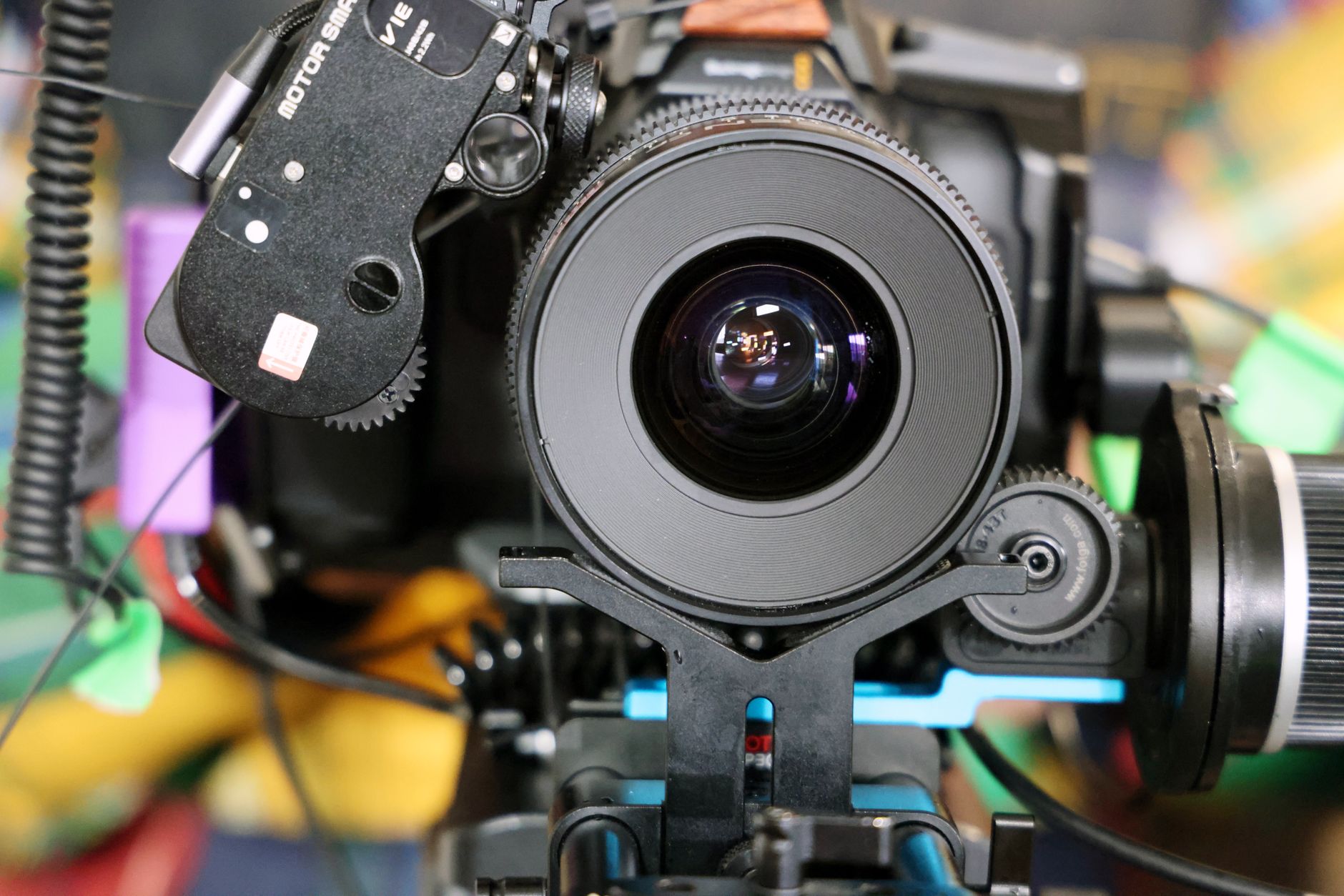
This November 2026 FAQ answers common questions about premium cinema, Oscar rules, captions, and 4K discs. It gives source-checked guidance to help you pick formats, adjust settings, and understand new requirements. Dolby Cinema is a premium auditorium that pairs dual-4K laser projection with object-based surround sound. The sections below explain what that means for tickets, awards, accessibility, and home viewing.
Table of Contents
- What Makes Dolby Cinema Different?
- How Do the 99th Oscars Treat AI?
- Where Are Caption Controls on New TVs?
- What Must Indian Films Deliver in 2026?
- Should You Choose Disc or Streaming for 4K?
What Makes Dolby Cinema Different?
Dolby says only Dolby Cinema pairs Dolby Vision dual-4K laser projection with Dolby Atmos sound and dedicated auditorium design, according to Dolby's current cinema page. Buyers should expect brighter HDR plus object-based audio rather than just a bigger screen.
When you compare premium screens, look for both projection and sound labels together. A larger screen alone does not promise the same HDR and audio combination.
- Check the listing for Dolby Vision and Dolby Atmos together
- Pick Dolby Cinema when HDR brightness and spatial sound matter most
- Choose another large format when convenience or showtime matters more
How Do the 99th Oscars Treat AI?
For the 99th Oscars, acting nominations require roles credited in legal billing and performed by humans with consent. Writing categories require human-authored screenplays, and AI use elsewhere neither helps nor hurts, according to the Academy via 8frame's summary of the Academy press release. The Academy reserves the right to demand documentation of generative-AI use and human authorship for any Oscar submission.
That affects producers, actors, and writers for films released in 2026. Keep credit records, consent forms, and draft histories organized during production. Producers can then respond quickly if documentation is requested.
Where Are Caption Controls on New TVs?
Makers of covered TVs, boxes, phones, and MVPDs must make closed-caption display settings readily accessible. Closed Caption Creator's 2026 guide summarizing FCC Order FCC 24-79 judges access on proximity, discoverability, previewability, and consistency, with compliance due Aug. 17, 2026, according to Closed Caption Creator's 2026 compliance guide. FCC Commissioner Starks explains the rule covers any U.S.
device designed to receive or play video with sound. Viewers could not find font, size, color, and opacity controls buried in menus. Look for caption settings near playback or accessibility menus, not deep system menus. Use preview to confirm readability before you save.
- Open video playback or accessibility settings first
- Adjust font, size, color, and opacity
- Use preview to confirm readability
What Must Indian Films Deliver in 2026?
India now requires feature films certified from March 15, 2026 to include closed captions and audio description tracks. Sacnilk reporting on the MIB/CBFC mandate says filmmakers must deliver accessible DCPs through E-Cinepramaan before CBFC certification. DCP means Digital Cinema Package, the digital files used for theater projection.
Audio description is a narration track that describes visual action for blind viewers. Plan captioning and description work early in post-production to avoid certification delays. Distributors should confirm accessible versions exist before booking release dates.
Should You Choose Disc or Streaming for 4K?
Engadget citing the Blu-ray Disc Association reports Ultra HD Blu-ray caps at 108 Mbps on 66GB discs and 128 Mbps on 100GB discs, according to Engadget's report citing the Blu-ray Disc Association. Typical 4K streaming runs at 15-25 Mbps, so discs show fewer compression artifacts but require a player and discs.
Choose discs for dark scenes, fine texture, and repeat viewing where artifacts bother you. Choose streaming for convenience, travel, and casual viewing across phones and laptops. Keep both options when you can: stream to discover, buy the disc to keep the best version.