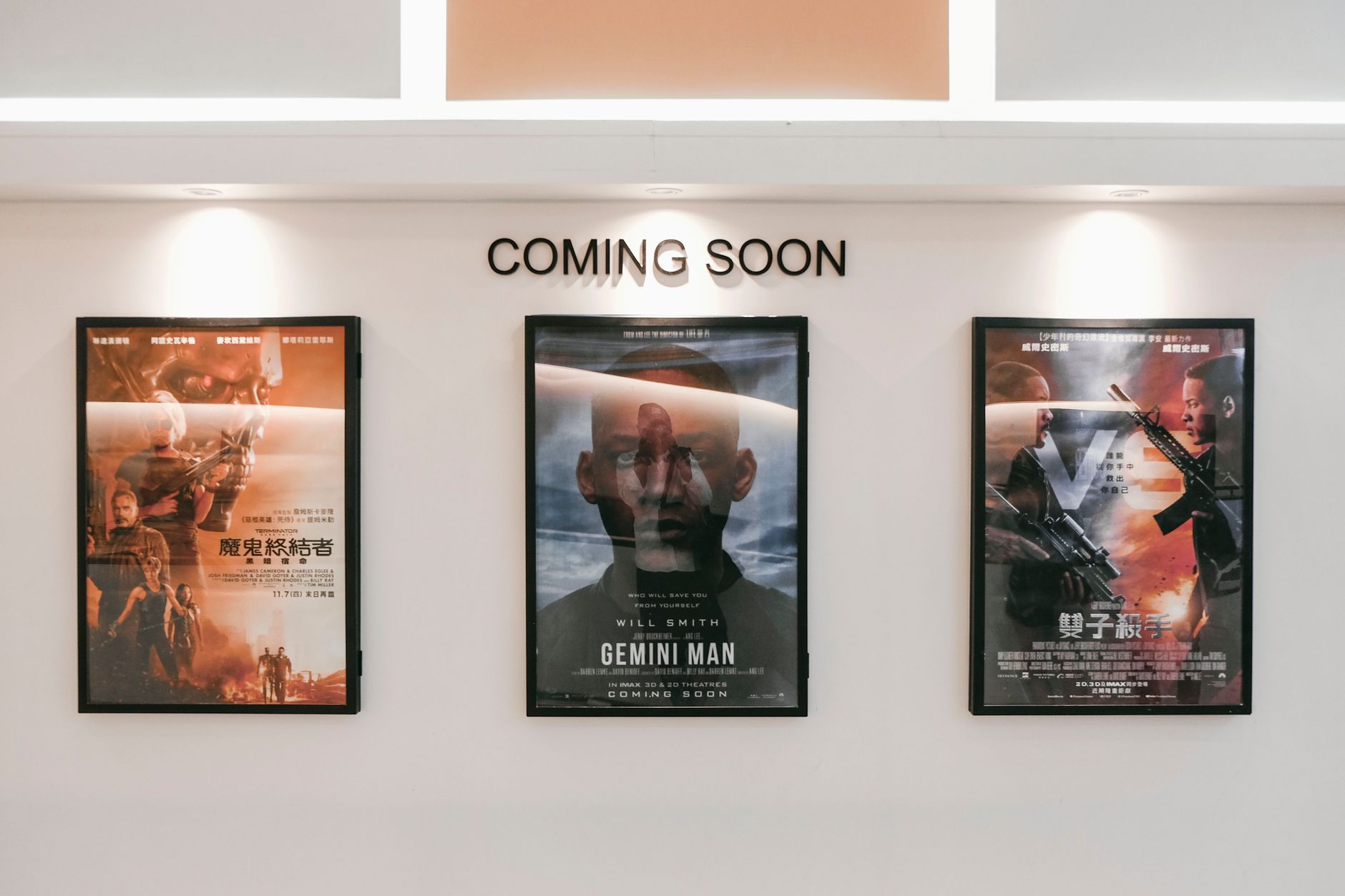
Mission: Impossible – Dead Reckoning is a large-scale action sequel whose box-office outcome depends on both a high production cost and a crowded release window. A high cost raises the threshold for profit, and direct competition for screens can shorten the weeks when earnings are strongest. Dead Reckoning follows Ethan Hunt, the field leader of an impossible-missions team, in a two-part story built around practical stunts and ensemble action. For readers, budget explains the break-even pressure and release competition explains why timing can matter as much as ticket demand.
Table of Contents
- What does a blockbuster budget include?
- Why does release timing affect results?
- How do screens and formats shape competition?
- How should readers judge success?
What does a blockbuster budget include?
A production budget covers shooting costs such as cast, crew, locations, stunts, sets, effects, and extended schedule time. Marketing and distribution are separate, and they can add substantially to the amount a studio must recover.
Theaters also retain a share of ticket sales, so a film must earn well above its production budget to reach profit. That is why costly action films depend on long runs, strong overseas play, and later home viewing.
Why does release timing affect results?
Release timing decides which films compete for the same audience, premium screens, and press attention. When two or more tentpoles open close together, casual moviegoers often choose one first and delay the other.
A crowded corridor can reduce opening-weekend urgency, limit prime showtimes, and shorten the period before a film loses its best auditoriums. A film with strong word of mouth can still persist, but it has less room to recover from a soft start.
How do screens and formats shape competition?
Not all screens earn equally. Large-format, high-ticket-price auditoriums contribute disproportionately to revenue, especially for action built for scale and sound.
When another major release claims those rooms, the remaining film may move to smaller rooms sooner. Readers can watch this shift directly:.
- check which film holds large-format showtimes each week
- compare evening and weekend placements, not only total theater counts
- note how quickly showtimes move from peak hours to off-peak hours
How should readers judge success?
Judge a costly sequel by stamina rather than opening weekend alone. Useful signs include week-to-week declines, retention of premium screens, repeat viewing among action fans, and continued strength outside the home market.
Branding value also matters for a long-running series. A later installment can preserve audience goodwill, support the next chapter, and perform strongly after theaters even when theatrical profit is narrow.