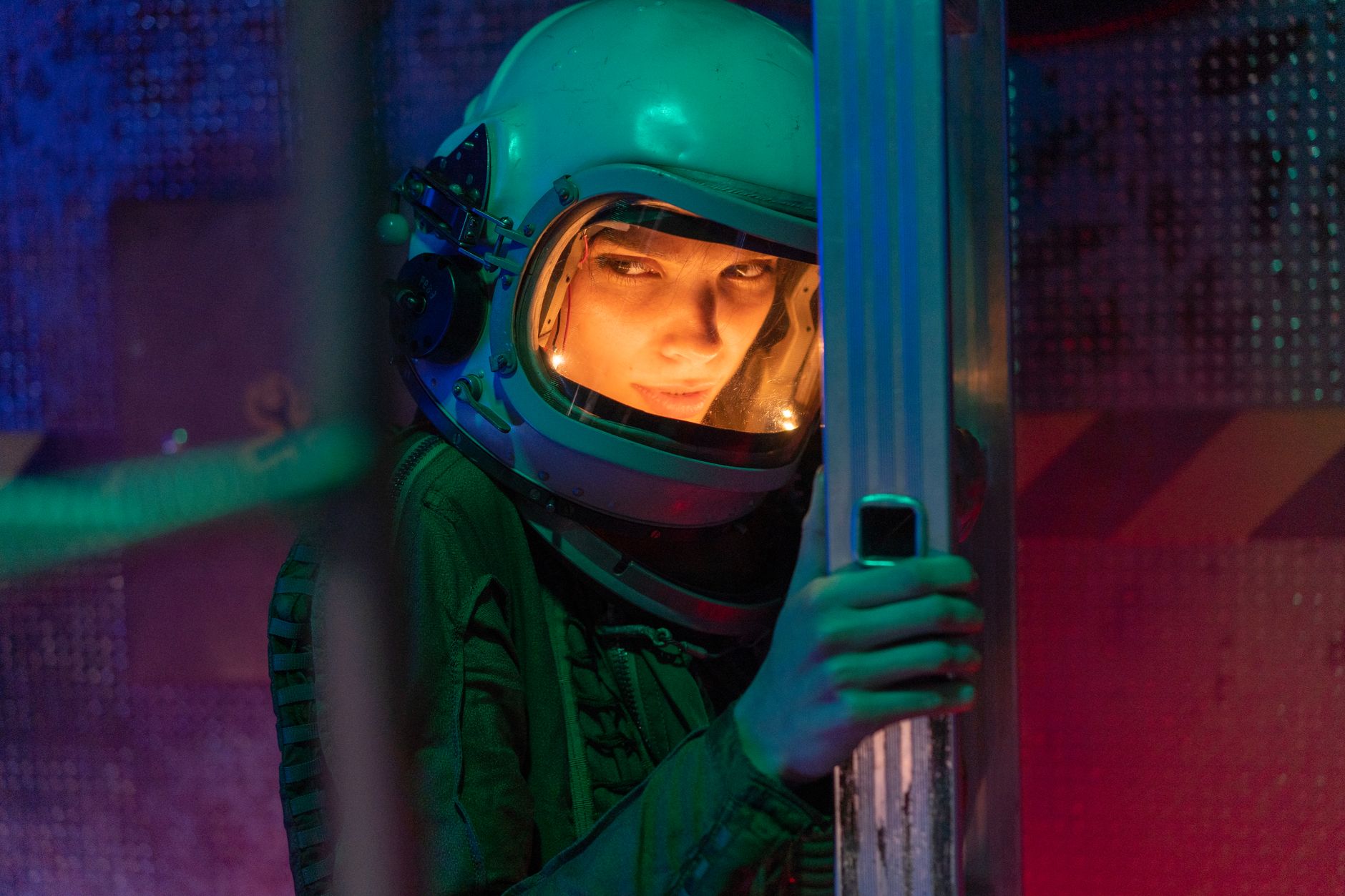
Interstellar (2014), a science-fiction adventure about astronauts searching for a new home for humanity, fits best for ages 12 and up. It earns that guidance through intense peril and emotional separation, brief strong language, no explicit sex, and several frightening space disasters.
The story runs nearly three hours and leans on dialogue about physics, time, and parental sacrifice. Younger children often lose focus during slow stretches, then feel overwhelmed by loud, sudden danger. Parents who preview expectations around separation and loss will have an easier viewing experience.
Table of Contents
- What Is the Age Rating and Why?
- How Violent or Intense Is It?
- What About Language and Sexual Content?
- Which Scenes May Scare Children?
- How Should Different Ages Watch It?
What Is the Age Rating and Why?
The film holds a PG-13 rating in the United States for intense action and brief strong language. That label signals material beyond young children but without graphic gore or explicit content. Parents should treat it as a caution about intensity, not just age.
The story centers on a father who leaves his children to save humanity. Themes of abandonment, grief, and time loss carry strong emotional weight. Most viewers under 10 will struggle with both length and sadness.
How Violent or Intense Is It?
Violence stays action-based rather than bloody. Characters die in crashes, explosions, and exposure on hostile planets. The camera focuses on danger and reaction more than injury. Two fistfights break out between desperate crew members.
One man sabotages a mission and causes fatal damage. A massive explosion throws debris and kills several people off screen. The loud sound and shaking spacecraft can feel harsher than the images suggest. Children sensitive to peril may react more to drowning, suffocation, and freezing than to punches. No torture or graphic wounds appear.
What About Language and Sexual Content?
Language includes a handful of profanities, including one strong exclamation. Characters also use milder insults under stress. The dialogue does not rely on crude humor or slurs.
Sexual content remains minimal. A married couple shares brief affection, and adults hint at past relationships. No nudity, explicit scenes, or sexual violence appear.
Which Scenes May Scare Children?
Space travel creates sustained dread rather than jump scares. A giant tidal wave races toward explorers on a shallow ocean planet. A docking attempt spins out of control and explodes in silence and fire. The black hole sequence uses loud noise, warping light, and crushing pressure.
Characters gasp for air, freeze on an ice world, and drift alone in the dark. A robot with a blunt voice can unsettle younger viewers at first. Emotional scares hit harder than monsters. A father watches years of missed messages from his children. That grief, plus a parent possibly never returning, often upsets ages 8 to 11 more than action.
How Should Different Ages Watch It?
Use maturity more than age alone. A child who handles suspense, long stories, and sad goodbyes will cope better. A child who fears separation, drowning, or loud disaster scenes may need to wait. Match the approach to your child with a simple plan.
Preview the separation theme before you press play. Watch in a calm room with volume control and breaks planned. Explain beforehand that the father leaves to protect his children, not abandon them. Keep the remote handy during the water-planet sequence if your child fears drowning or separation.
- ages 6-9: wait; length, loss, and loud peril often overwhelm.
- ages 10-12: watch together and pause after heavy separations.
- ages 13 and up: most teens manage the action and grasp the sacrifice theme.