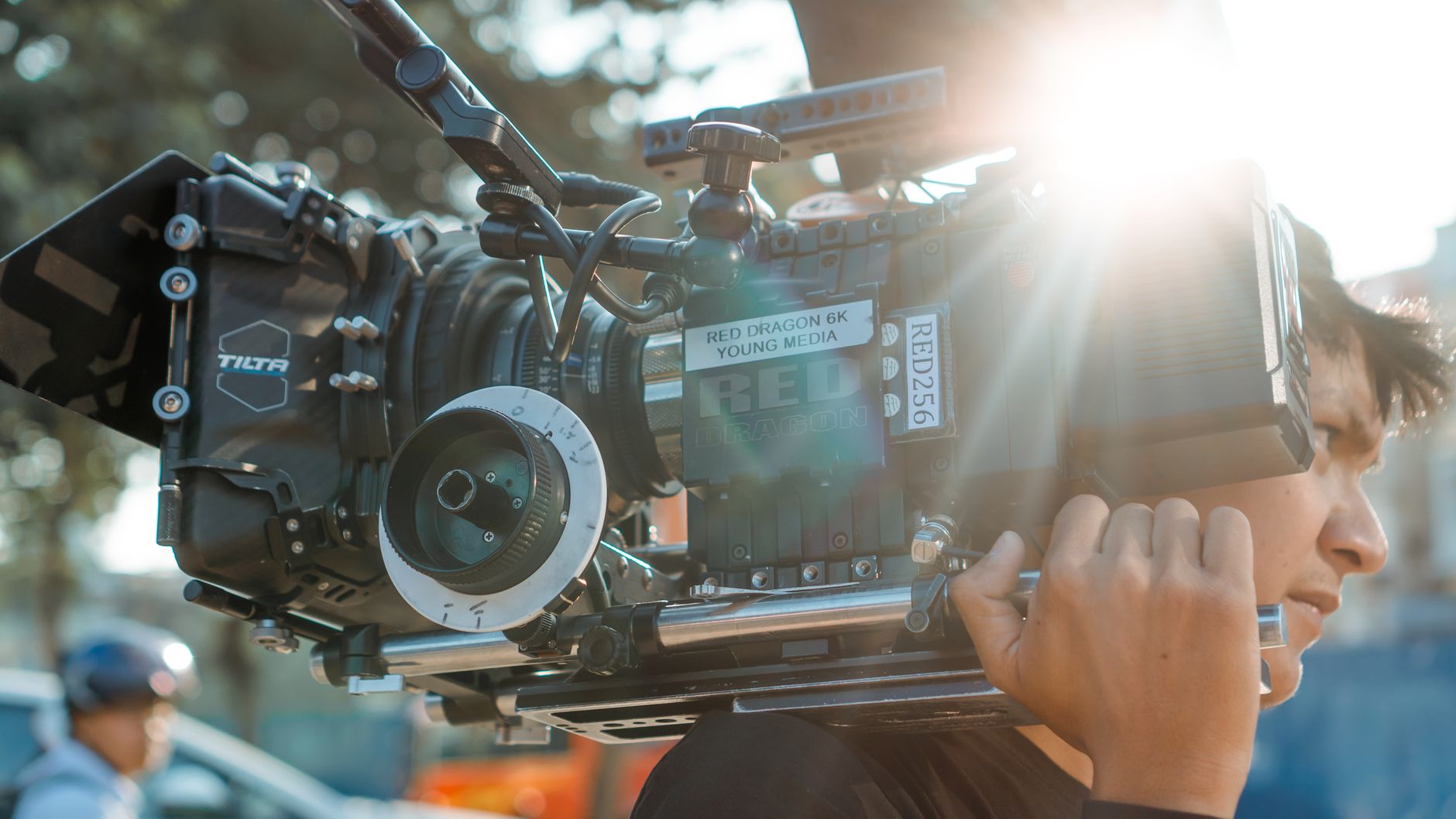
Documentary filmmakers use archival footage technology to find, restore, and weave older film, video, and photographs into new stories. They search digital catalogs, repair damaged images and sound, then edit selected clips to support narration and interviews. Archival footage technology means the scanners, software, and databases that preserve and retrieve historical media. For viewers, this work decides what past moments look and sound like on screen.
Table of Contents
- Where Does the Footage Come From?
- How Do Filmmakers Restore Old Images?
- How Does Archival Material Shape the Story?
- What Should Viewers Notice While Watching?
Where Does the Footage Come From?
Filmmakers start with libraries, news collections, government records, home movies, and studio vaults. Many collections now have digital previews and searchable descriptions by subject, date, and location.
A researcher checks what each clip shows and who controls permission to use it. Clear records save time later and prevent a strong scene from being cut for legal reasons.
- Identify the archive or owner for each candidate clip
- Confirm the format, length, and condition before requesting a scan
- Secure written permission and note any credit or use limits
How Do Filmmakers Restore Old Images?
Old reels often carry scratches, dust, fading, warping, and unstable framing. Scanners capture each frame at high resolution, then restoration software reduces defects while keeping natural texture and detail.
Sound needs equal care. Engineers remove hum and hiss, balance voices, and sync audio to picture. Color work matches faded shots so archival scenes sit comfortably beside new interviews.
How Does Archival Material Shape the Story?
Editors use archival clips as evidence, memory, and pacing. A street scene can place viewers in a time and place, while a broadcast excerpt can show how an event was presented at the time.
Filmmakers often pair short archival passages with present-day testimony. The contrast lets viewers compare past claims with later reflection without pausing the narrative flow.
What Should Viewers Notice While Watching?
Watch for labels, source captions, and shifts in image quality that signal a change in time. Useful cues include on-screen dates, location names, and differences between original sound and added narration.
Creative choices also matter. Cropping, slow motion, color correction, and music can change the mood of an old clip. Attentive viewing means asking what the clip proves and what context surrounds it.