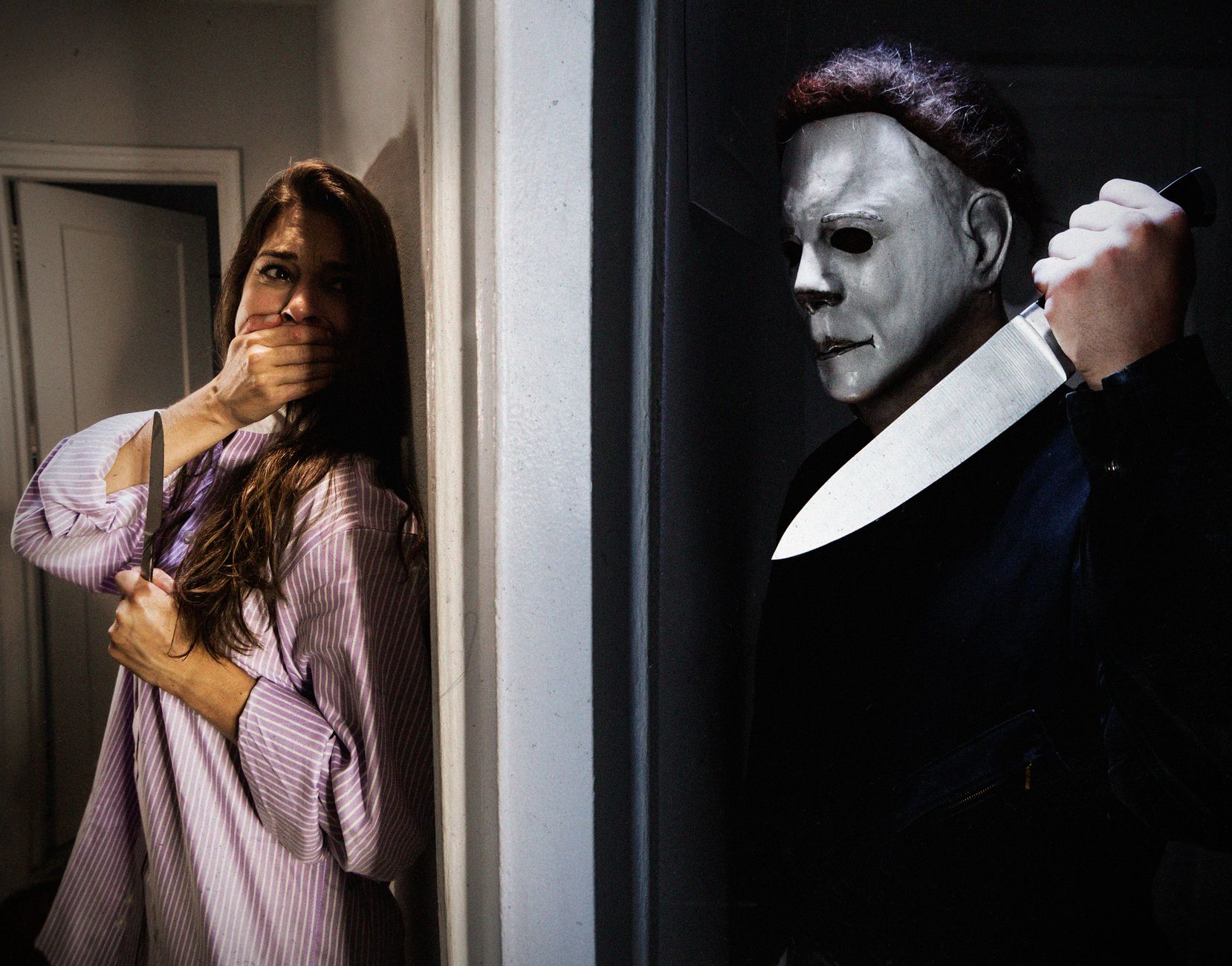
Horror movie sequels are ranked by the percentage of critic reviews that count as positive — the Tomatometer — which means a follow-up's place on any list depends on how many critics liked it, not on where it falls in the franchise. Rotten Tomatoes' editorial team maintains the ranking most readers are after, "80 Best Horror Movie Sequels, Ranked by Tomatometer," which orders horror follow-ups from highest score down and traces the idea of the superior sequel back to *Bride of Frankenstein* in 1935.
The mechanics matter more than they look. A score needs at least five reviews to exist at all, decade-spanning lists often use an adjusted figure rather than the one on the movie's page, and every number keeps moving as reviews are added. Knowing which figure a list used is the difference between reading a ranking correctly and misreading it.
Table of Contents
- What the Tomatometer Actually Measures
- The Adjusted Score Most Decade-Spanning Lists Use
- Where the Rankings Top Out — and Bottom Out
- Fresh, Certified Fresh, and Why the Seal Comes and Goes
- How to Read a Horror Sequel Ranking Without Being Misled
- Frequently Asked Questions
What the Tomatometer Actually Measures
The Tomatometer is not an average rating. According to the Rotten Tomatoes FAQ, the score is the share of counted critic reviews judged positive, and it appears only after a title collects five of them. At 60% or higher the film shows a red tomato and is called "Fresh"; below 60% it gets a green splat and is "Rotten." That design has a specific effect on horror sequels.
A film every critic found merely watchable can outscore one that half of them loved and half despised, because lukewarm-positive and rapturous count the same. It explains how a competent, unambitious sequel sometimes lands above a divisive one that viewers remember far more vividly. The five-review minimum also quietly excludes part of the genre. Direct-to-video and streaming-only horror sequels frequently never attract five participating critics, so they have no Tomatometer and cannot appear in a Tomatometer ranking at all — their absence is a counting rule, not a verdict.
The Adjusted Score Most Decade-Spanning Lists Use
Here is the detail that confuses readers most. Rotten Tomatoes notes that rankings covering many decades — including its own horror-sequel lists — often use the Adjusted Tomatometer, which factors in the number of reviews a film received, its release year, and the average scores of films released around the same time. It is deliberately not the score printed on the movie's page.
The adjustment exists because review volumes and critical norms are wildly uneven across eras. A 1935 Universal horror sequel reviewed by a few dozen critics is not statistically comparable to a 2025 release covered by hundreds of outlets and aggregated weekly. The practical consequence: if a list's order seems not to match the percentages beside each title, that is usually the adjusted figure doing its work rather than an error. When you want the raw number, read it off the film's own page.
Where the Rankings Top Out — and Bottom Out
The high end of the horror-sequel scale is older than most readers expect. *Bride of Frankenstein* (1935) holds 97% on the Tomatometer against an 88% Popcornmeter audience score; *Dawn of the Dead* (1978) sits at 92% and *Evil Dead II* (1987) at 89%. James Cameron's *Aliens* (1986) holds 93% and ranks second among all *Alien* titles in Rotten Tomatoes' franchise guide. The floor is far more dramatic than the ceiling.
The live Rotten Tomatoes page for *Jaws: The Revenge* (1987) shows a 2% Tomatometer from 45 reviews and a 15% Popcornmeter — against 97% for the original *Jaws*. That is a collapse of roughly 95 points inside a single franchise, and nothing else in horror quite matches it. Those two poles frame what the Tomatometer can tell you about a sequel. It captures critical consensus with real precision at the extremes, where near-unanimity in either direction is unmistakable. In the crowded 55% to 75% middle, small differences in score reflect a handful of individual reviews rather than any meaningful gap in quality.
Fresh, Certified Fresh, and Why the Seal Comes and Goes
"Certified Fresh" is a separate tier with harder requirements, not a synonym for a good score. Per Rotten Tomatoes' About page, a film needs 75% or higher, at least five Top Critic reviews, and a minimum of 80 total reviews for a wide release or 40 for a limited or streaming release. An acclaimed small horror sequel can therefore be Fresh forever without ever being Certified Fresh.
The seal is also revocable. Rotten Tomatoes' help documentation states that a Certified Fresh film keeps the designation unless its Tomatometer later drops below 70% — so a sequel's standing can shift months after release as additional reviews are counted. Franchise position predicts almost nothing here. *Final Destination Bloodlines* (2025), the sixth entry in its series, opened at 93% from 55 reviews and became the only Certified Fresh film in the franchise, as Collider reported in May 2025 — well clear of 63% for *Final Destination 5* and 40% for the 2000 original.
How to Read a Horror Sequel Ranking Without Being Misled
Every published ranking is a snapshot of live data. *Jaws: The Revenge* read 0% from 39 reviews in earlier snapshots and 2% from 45 today; *Bloodlines* was reported at both 93% and 95%.
Neither film changed — the review pool did. When you are comparing sequels yourself, a few checks do most of the work:.
- Read the review count beside every percentage. A 100% on six reviews and a 93% on 55 are not comparable claims, and only the second can qualify for Certified Fresh.
- Check whether the list says "Adjusted Tomatometer." If it does, expect its order to differ from the scores on individual film pages.
- Look at the Popcornmeter alongside the Tomatometer. *Bride of Frankenstein*'s 97% critic score against an 88% audience score shows a gap that a single number hides.
- Treat a sub-60% score as a genuine signal and a 65-versus-70 difference as noise.
- Note the release date before trusting a brand-new sequel's number. A score built on early reviews can still move far enough to cost a film its seal.
Frequently Asked Questions
Why do two articles give the same horror sequel different scores?
Tomatometer scores are live and move as reviews are added or recounted, so each article captures a different moment. *Jaws: The Revenge* has been cited at both 0% from 39 reviews and 2% from 45.
Does a horror sequel need a minimum number of reviews to be ranked?
Yes. No Tomatometer exists below five critic reviews, which keeps many direct-to-video and streaming-only horror sequels off Tomatometer rankings entirely.
Can a horror sequel outscore the original?
Routinely. *Aliens* holds 93% and *Final Destination Bloodlines* opened at 93% against 40% for the 2000 original, and Rotten Tomatoes dates the pattern to *Bride of Frankenstein* in 1935.