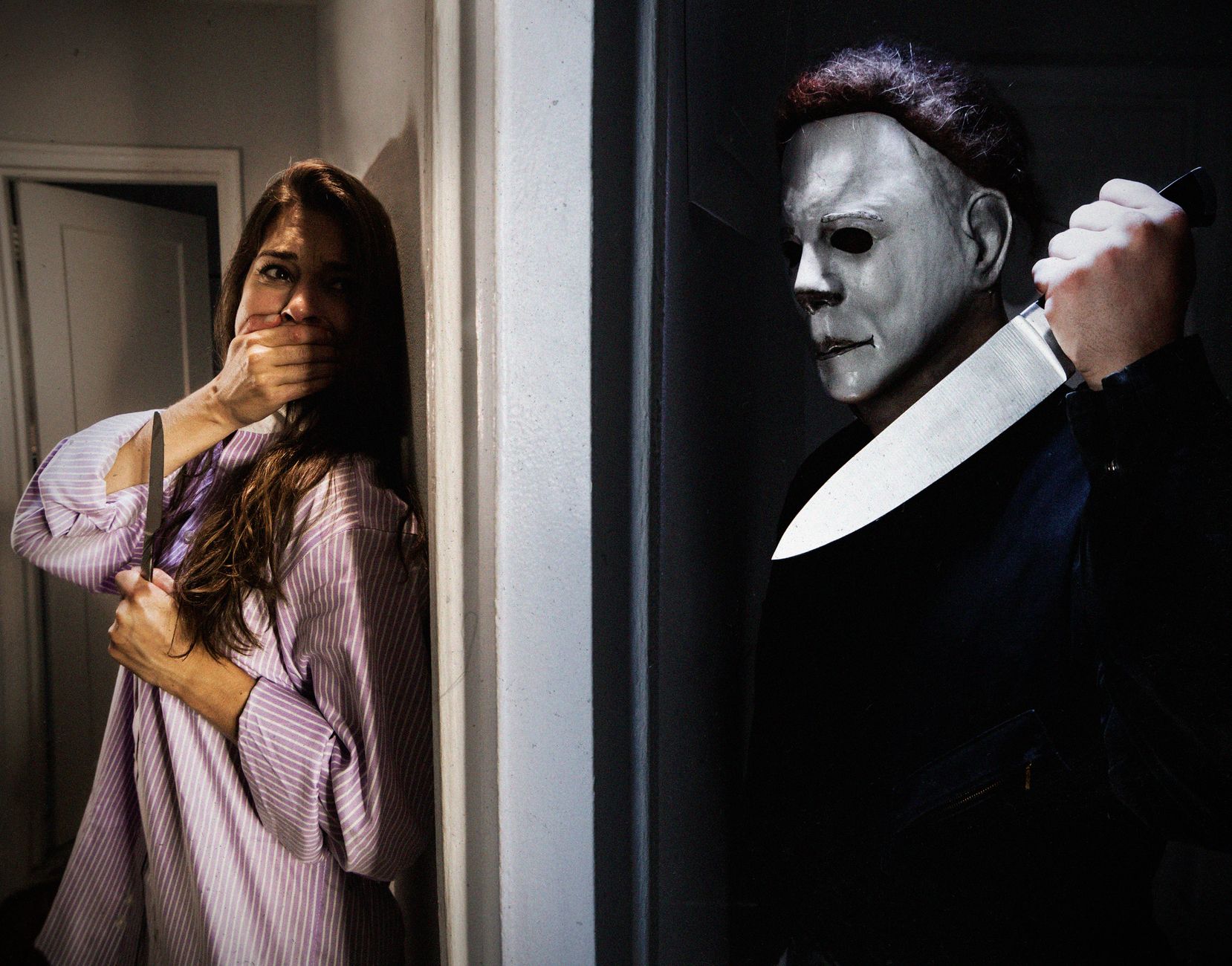
Halloween (2018) was a low-budget studio horror sequel that earned back its production cost in its opening weekend. Opening-weekend performance means ticket sales from the first Friday through Sunday, the clearest early signal of audience demand.
The film is a direct sequel to the 1978 Halloween, ignoring later entries. It follows Laurie Strode facing Michael Myers forty years later. Its box-office story is useful because horror often pairs modest spending with fast returns.
Table of Contents
- What Did Low Budget Mean Here
- How Is Opening Weekend Measured
- Why The Opening Mattered For Returns
- What Readers Should Not Assume
What Did Low Budget Mean Here
A production budget covers shooting costs like cast, crew, sets, effects, and post-production. It does not normally include marketing and distribution, which studios spend separately. For readers, that split matters when judging profit.
Low budget in horror means tight locations, a small core cast, and restrained effects. Halloween (2018) fits that model with a suburban setting, practical suspense, and focus on two central figures. Fewer costly set pieces keep financial risk down.
How Is Opening Weekend Measured
Studios and theaters report domestic grosses for Friday, Saturday, and Sunday. Previews on Thursday night usually roll into the weekend total. International markets report on their own calendars, so worldwide weekend figures arrive later.
A strong opening shows marketing worked and fans arrived early. Theater owners use it to set screens for week two. Analysts compare the weekend gross to production cost to gauge momentum, not final profit.
Why The Opening Mattered For Returns
Horror relies on front-loaded attendance, with many fans buying tickets in week one. When a film covers much of its production budget in three days, later weeks carry less pressure.
That early cushion helps explain quick sequel decisions. Key points for reading this result:.
- Compare opening gross to production budget, not to marketing rumors
- Separate North American gross from worldwide gross
- Treat second-weekend drop as normal for horror, not failure
- Wait for home viewing and TV rights before judging total value
What Readers Should Not Assume
An opening weekend does not equal profit. Theaters keep part of each ticket, and marketing adds real cost. Taxes, fees, and profit participants also reduce studio returns.
Use the opening as context, not as a final verdict. A big debut signals demand for the characters and format. Durable success depends on legs in theaters, repeat viewing, and long-term library interest.