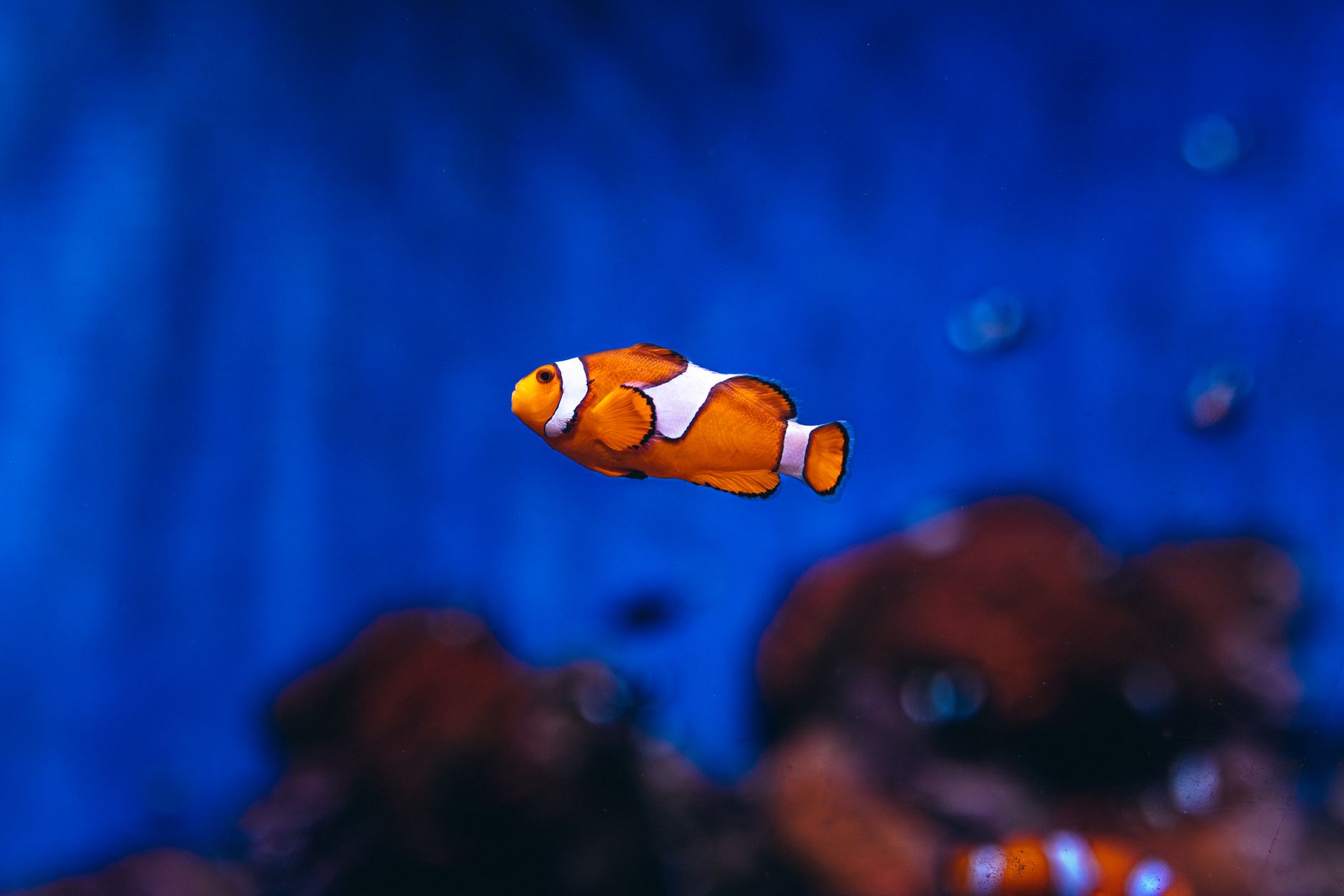
"Finding Nemo" (2003) follows Marlin, an anxious clownfish, as he crosses the ocean to rescue his son Nemo after a diver captures him. The film ends with Marlin learning to let go of his fear, Nemo escaping a fish tank with new friends, and father and son reuniting off the coast of Sydney, Australia. Pixar built the story around loss and overprotection: Marlin loses his wife and nearly all his eggs to a barracuda in the opening scene, leaving Nemo as his only child. That trauma explains every choice Marlin makes for the rest of the film, and it's the emotional engine behind both the plot and the ending.
Table of Contents
- How the Story Begins
- What Happens to Nemo in the Fish Tank
- Marlin and Dory's Journey Across the Ocean
- How the Ending Resolves the Rescue
- What the Ending Means
- Frequently Asked Questions
How the Story Begins
Marlin and his mate Coral are expecting hundreds of eggs on the Great Barrier Reef when a barracuda attacks, killing Coral and destroying all the eggs except one. That surviving egg hatches into Nemo, who has a smaller right fin from the attack. The loss turns Marlin into a fearful, overbearing father who rarely lets Nemo out of his sight.
On Nemo's first day of school, he swims toward open water to prove he isn't fragile, defying Marlin's warnings. A diver named Philip Sherman scoops Nemo up in a net and takes him away in a boat, leaving Marlin alone on the reef with no idea where his son has gone. A regal blue tang fish named Dory, who has short-term memory loss, saw the boat and agrees to help Marlin search for Nemo. Their decision to team up sets the rescue journey in motion and introduces the character whose memory problems create several of the film's comic and dramatic turning points.
What Happens to Nemo in the Fish Tank
The diver takes Nemo to Sydney, where he ends up in a dentist's office fish tank. The tank's other fish, led by a moor fish named Gill, explain that Nemo is intended as a gift for the dentist's niece, Darla, a girl known for shaking bags of fish to death. Gill has a plan: the fish will clog the tank's filter so it needs replacing, during which they can escape through the plumbing into the harbor.
Nemo, despite his small fin, takes on a risky role in the plan by swimming into the filter himself, which shows his father's warnings about his fin were overcautious. The escape plan succeeds only after a complication: the dentist gives the tank away before it can be cleaned, and the fish ride inside plastic bags headed for Darla's house. Nemo plays dead to get thrown into the harbor in a bag rather than handed to Darla, which is how he finally reaches open water and continues toward his father.
Marlin and Dory's Journey Across the Ocean
Marlin and Dory survive a series of ocean dangers on their way to Sydney, including three sharks trying to overcome their instinct to eat fish, a field of stinging jellyfish, and a deep-sea anglerfish in the dark trench. Each encounter forces Marlin to take risks he would never have allowed Nemo to take, which slowly changes how he thinks about protecting his son. A sea turtle named Crush carries them along the East Australian Current, where Marlin watches Crush let his son Squirt take physical risks without panicking.
This scene gives Marlin a model of parenting that trusts a child's ability to handle danger, rather than shielding him from all of it. Near the end of the journey, Marlin believes Nemo has died after a mishap with a whale, and he turns back, giving up the search. Dory's memory briefly recovers during this low point, enough to read an address off a diving mask, which keeps their only lead to Nemo alive even as Marlin walks away from the mission.
How the Ending Resolves the Rescue
Nemo, now free in the harbor, finds Dory, who doesn't recognize him at first because of her memory loss. A chance encounter with other fish and the discovery that Nemo is Marlin's son triggers Dory's memory just long enough for her to reunite the two. Marlin and Nemo find each other near Sydney Harbor, but the reunion coincides with a new crisis: Nemo swims into a fishing net full of trapped fish to teach them to swim downward together, which jams the net's winch mechanism and frees every fish inside.
Marlin, watching from outside, finally lets Nemo act on his own instead of trying to save him directly, confirming the change in his character that the whole journey built toward. The final scenes show Marlin's fear replaced by trust: he lets Nemo swim to school on his own, and Dory, now part of their family, swims alongside them. The dentist's tank fish also escape into the harbor in plastic bags, as shown in a brief epilogue, closing out their side of the story.
What the Ending Means
The central theme is that overprotection can be its own kind of harm. Marlin's fear, born from a real tragedy, nearly keeps Nemo from growing into a capable young fish, and the story resolves only when Marlin accepts that he cannot control every danger his son faces. Dory's short-term memory loss carries a secondary meaning about persistence despite disability.
She repeatedly forgets details but never forgets the goal of helping her friends, and her memory conveniently returns at each critical moment the plot needs it to, which is the film's way of making her limitation useful rather than purely comedic. Nemo's smaller fin, treated as a fragile defect at the start, turns out to be irrelevant to his competence by the end. He swims into a filter, organizes an escape, and leads a netted school of fish, none of which depended on having two full-sized fins. The ending rewards Nemo's independence and confirms that Marlin's fear, not Nemo's limp fin, was the real obstacle throughout the story.
Frequently Asked Questions
Does Nemo ever find out his mother died in the opening scene?
The film doesn't show Nemo learning the full story on screen, but Marlin's overprotectiveness throughout the film stems directly from that loss.
What happens to Darla?
Darla never receives Nemo; the dentist's tank fish escape into the harbor before she can take the bag home, and she is not shown again after that scene.
Why does Dory's memory come back at key moments?
Her memory loss is persistent, but the film shows it triggered briefly by strong emotional cues, such as recognizing Nemo's connection to Marlin, which the plot uses to move the rescue forward.