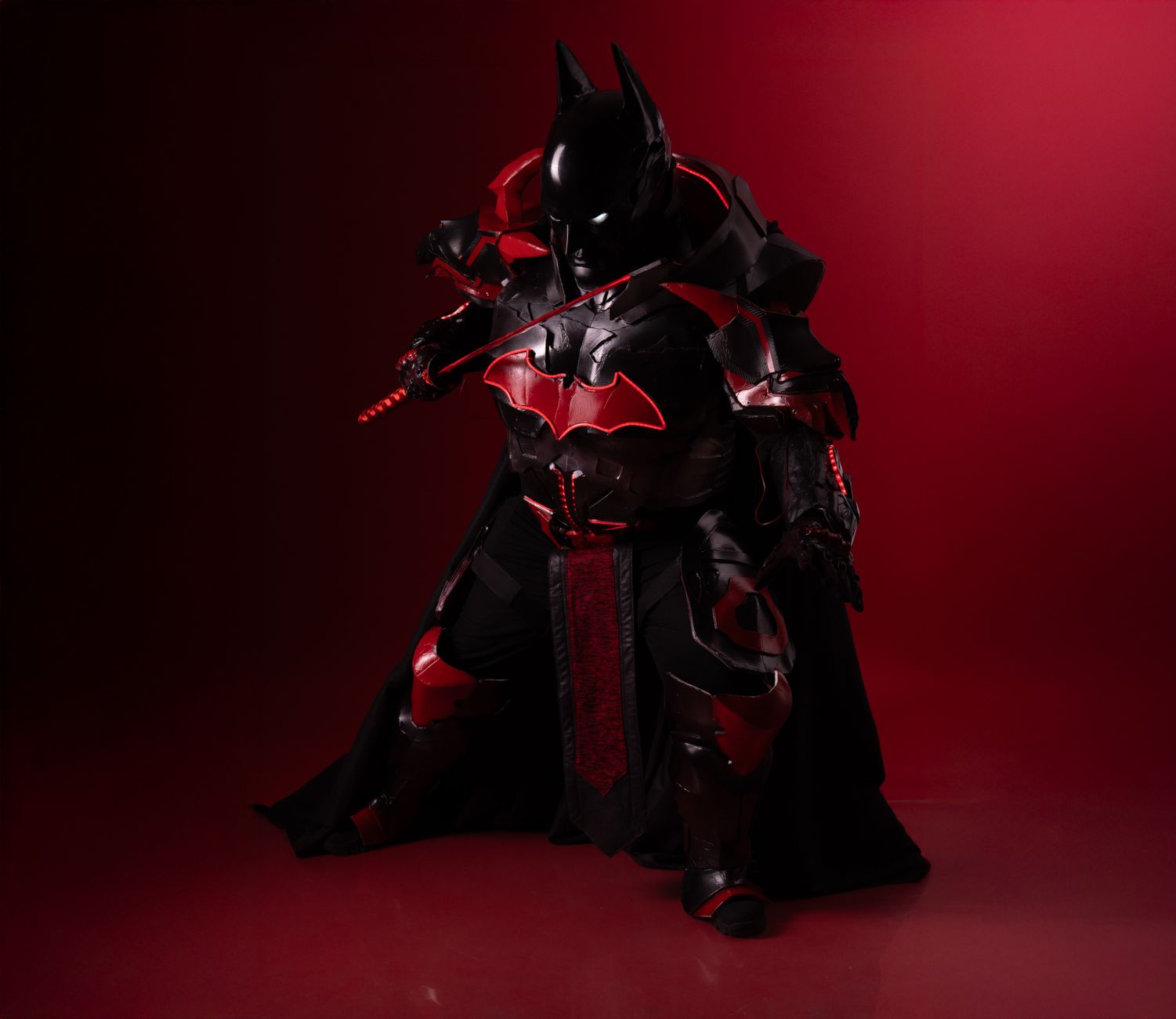
Batman does not appear in *Clayface* — not in the ending, not anywhere in the film. According to GamesRadar+'s breakdown of the question, the Caped Crusader is never shown and never even verbally referenced, despite the whole film being set in Gotham City. There is also nothing waiting after the credits. *Clayface* ends on its last scene and plays straight through to Volker Bertelmann's orchestral cue "End Credits (Clayface)," so if you are sitting in the dark hoping for a cowl to drop into frame, you can leave when the lights come up.
Table of Contents
- What the final scene actually shows
- Is there a post-credits Batman tease?
- Why the filmmakers left Batman out
- The Gotham details that are in the film
- Where this leaves the DCU connection
- Frequently Asked Questions
What the final scene actually shows
The film's closing image belongs entirely to its own monster. Matt Hagen — the struggling actor whose body has become unstable clay, the classic Batman rogue Clayface — is fully transformed and screaming. It follows a reunion scene that plays as emotional resolution until a wide shot pulls back and reveals the other figure to be a simulacrum Hagen generated himself, according to Film Colossus's plot explainer.
The person he is reaching for is made of the same material he is. No vigilante interrupts that moment. There is no rooftop silhouette, no batarang, no distant growl off-screen. The horror lands because nobody arrives.
Is there a post-credits Batman tease?
No. Just Jared confirmed that *Clayface* has neither a mid-credits nor a post-credits scene, which rules out the usual place a DC film would park a franchise hand-off.
Director James Watkins confirmed the same thing directly in an exclusive interview with TechRadar, where he said he did not want to "crowbar in" a Batman cameo and deliberately avoided what he called "stunt casting." That matters for how you read the ending. In a film with a stinger, an ambiguous final shot often functions as setup. Here the last frame is the last word.
Why the filmmakers left Batman out
Watkins framed the omission as a story decision rather than a scheduling or rights problem. "The story is Clayface's story, it's Matt Hagen's story," he told Entertainment Weekly in comments reported by Screen Rant, describing the DC references that are present as "very light sprinklings" for viewers "really in the know." The logic holds up on screen.
A Batman appearance in the third act would convert a body-horror tragedy about a man losing his shape into the first half of a superhero fight, and would hand the ending to a character the film has not been following. DC Studios backed the choice at the top. Co-CEO Peter Safran told Collider that Batman *is* active in Gotham during the events of the film even though he never appears, calling *Clayface* "the introduction to the live-action Gotham" — and added that he and James Gunn have no definitive idea what Batman is doing while this story unfolds.
The Gotham details that are in the film
What replaces Batman is set dressing, and most of it points at the Joker rather than the Bat. Reported Easter eggs include "The Jokers" graffiti, a "Join the Joker" flyer, and an Amusement Mile sign crowned with a giant clown face. None of it carries narrative weight; it establishes a city, not a plot thread.
The one notable guest appearance is human-scale. Aaron Paul surfaces briefly as Matt Hagen's father in the Club Vesuvius sequence — Watkins called it "a real brief Easter egg kind of moment" in comments to Deadline, and the flashback scenes originally planned with Paul were cut. Here is the practical checklist for a first viewing:.
- No Batman, in costume or out, at any point
- No spoken reference to Batman, Bruce Wayne, or the Bat-Signal
- No mid-credits or post-credits scene
- Joker-themed background details scattered through Gotham locations
- One brief Aaron Paul appearance at Club Vesuvius
Where this leaves the DCU connection
Safran's "introduction to the live-action Gotham" line is the useful one for anyone tracking continuity. The city is established as shared ground, and Batman is established as present in it — but the film commits to neither a casting reveal nor a timeline marker you could build a theory on.
That means *Clayface* is close to self-contained. You can watch it without having seen the other DCU entries, and watching it does not supply information you will need later beyond the fact that this Gotham exists and has a Batman in it somewhere.
- Clayface* opened in US theatres on October 23, 2026, having been moved back from an original September 11 date. Watkins directed from a script by Mike Flanagan and Hossein Amini, with Tom Rhys Harries as Hagen alongside Naomi Ackie and Max Minghella, released by Warner Bros. as the third DCU film.
Frequently Asked Questions
Should I stay through the credits?
No. Just Jared confirmed there is no mid-credits or post-credits scene, and the credits play only over Bertelmann's "End Credits (Clayface)" cue.
Is Clayface set in Gotham City?
Yes. The film takes place in Gotham, and Peter Safran described it as the introduction to the live-action version of the city for the DCU.
Does anyone else from the Batman mythos show up?
Not as a character. The Batman-adjacent material is background detail — Joker graffiti, a "Join the Joker" flyer, and an Amusement Mile clown-face sign.
Do I need to watch the other DCU films first?
No. The story follows Matt Hagen and does not depend on the earlier entries; Watkins described the wider DC references as light touches for attentive viewers.