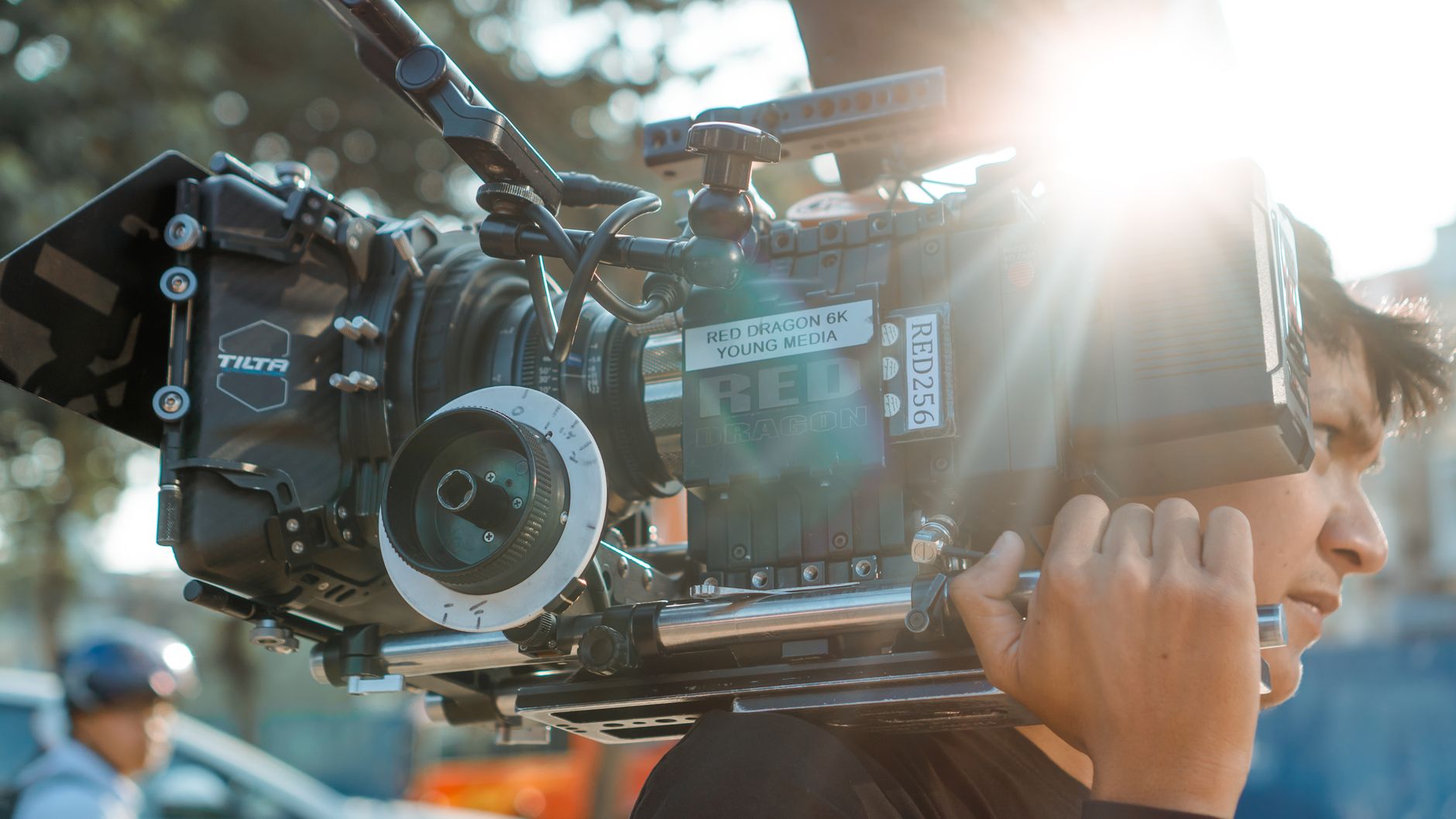
A documentary is a nonfiction film that interprets real people, events, and ideas through story structure and point of view. This guide explains how that story gets built, which themes recur, and what viewing context makes the film clearer. Documentaries select, arrange, and narrate facts rather than simply recording them. Knowing those choices helps you follow the story and weigh its perspective.
Table of Contents
- How Does a Documentary Tell Its Story?
- What Themes Keep Appearing?
- What Context Helps Before You Press Play?
- How Can You Judge What You Just Saw?
How Does a Documentary Tell Its Story?
Most documentaries use character, conflict, and change to shape real material into a watchable arc. A central person or group wants something, meets an obstacle, and ends in a different place. That structure holds attention even when the subject is a system rather than a single hero. Filmmakers build the arc from interviews, observed scenes, archival material, and narration. An interview can supply motive and memory.
An observed scene shows behavior under pressure. Archival photos, home video, documents, or news clips place the present story inside a longer past. Editing decides meaning as much as filming does. The order of scenes, the questions left in or cut out, and the use of music guide sympathy and suspicion. A quiet pause before an answer can matter as much as the answer itself.
What Themes Keep Appearing?
Many documentaries explore power: who decides, who benefits, and who pays. A film about a town election, a factory closure, or a music scene often becomes a study of access and voice. Small local stories carry larger questions about fairness and control. Memory and truth form a second common theme.
Witnesses remember the same event differently, records prove incomplete, and the film shows that gap directly. Strong documentaries let those disagreements stay visible instead of smoothing them away. Identity, work, family, place, and survival appear often as well. A portrait of an athlete, farmer, nurse, or artist usually asks what a life costs and what makes it worth continuing. Nature and science films ask a related question: how do humans fit inside systems larger than themselves?.
What Context Helps Before You Press Play?
Useful context starts with the film's angle and moment. Ask what question the filmmaker began with, whose voices lead, and what period the story covers. A one-paragraph synopsis plus the film's scope often gives enough footing without spoiling turns.
Form also sets expectations: Check length, structure, and tone if you can. A limited series can carry more characters and detours than a ninety-minute feature. A serious investigation, a warm biography, and a comic personal story ask for different kinds of attention.
- Expository films explain through narration and experts.
- Observational films watch events unfold with little intervention.
- Participatory films show the filmmaker asking, challenging, or joining in.
- Poetic and essay films favor image, rhythm, and reflection over plot.
How Can You Judge What You Just Saw?
Notice sources and omissions after viewing. Ask who spoke on camera, what documents appeared, and which opposing voices were absent. A persuasive film still shows its evidence; a weak one leans on music, montage, and assertion. Watch for the filmmaker's presence in the story.
Some directors stay invisible, while others question subjects, appear on camera, or shape events. Neither approach guarantees honesty, but the visible approach lets you see pressure as it happens. Apply one practical test before you recommend or quote the film. Separate what you saw proven in scenes and records from what interviews claimed and what editing implied. Carry the proven part forward and treat the rest as a viewpoint worth checking.