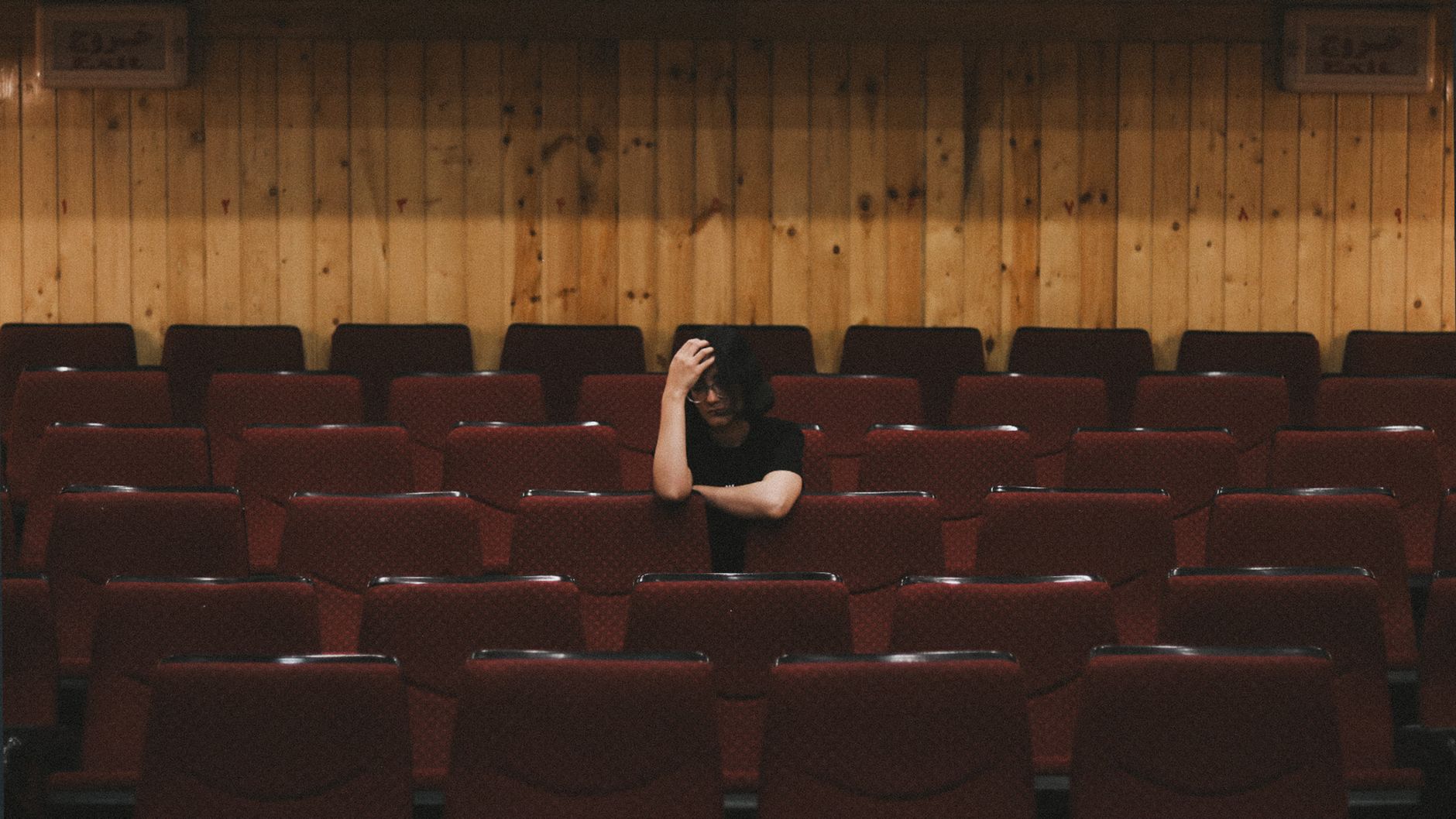
Iranian cinema means feature and short films made in Iran, often built around ordinary life, moral choices, and strong limits on what can be shown. Before you watch, expect slow pacing, natural acting, and stories that say much through gesture and omission. Many films use real streets, homes, and nonprofessional actors. That spare style helps directors work within rules while keeping the focus on faces, talk, and small decisions.
Table of Contents
- Why does it feel so real?
- How do restrictions shape the story?
- Where should a newcomer start?
- How should you watch for full effect?
Why does it feel so real?
Many Iranian directors favor location shooting over sets. They use available light, long takes, and repeated talk in cars, courtyards, and classrooms. Children often carry the story.
A lost notebook, a job errand, or a trip across town creates tension without chases or effects. Performances can seem unpolished at first. That flat tone is deliberate, and it makes a sudden pause or glance carry more weight.
How do restrictions shape the story?
Iranian films must observe dress codes, limits on contact between men and women, and wider moral rules. Romance, violence, and protest rarely appear directly. Directors answer with indirection.
They stage talk behind doors, frame a couple apart in the same room, or let a driver narrate what the camera cannot show. This can frustrate viewers who want plain statements. Watch for what characters avoid saying, who leaves the frame, and where the camera stops.
Where should a newcomer start?
Start with human-scale dramas about family, work, and conscience rather than genre films. Abbas Kiarostami explores travel, talk, and looking itself, while Asghar Farhadi builds tense domestic dilemmas. Jafar Panahi often blends fiction and daily life under pressure.
His films show how artists keep working when means shrink. Majid Majidi offers a gentler entry through children and village life. Pick one director, watch two films, then branch out.
How should you watch for full effect?
Give the film quiet room and full subtitles. Much meaning sits in polite phrasing, titles of respect, and refusals that sound soft in translation.
Use this quick check while you watch: Do not expect a firm verdict in the last shot. Many endings pose a question and trust you to answer it after the screen goes dark.
- Notice where scenes happen: car, doorway, school, office.
- Track who speaks and who stays silent.
- Watch hands, doors, and mirrors for blocked feeling.
- Ask what choice the ending leaves open.