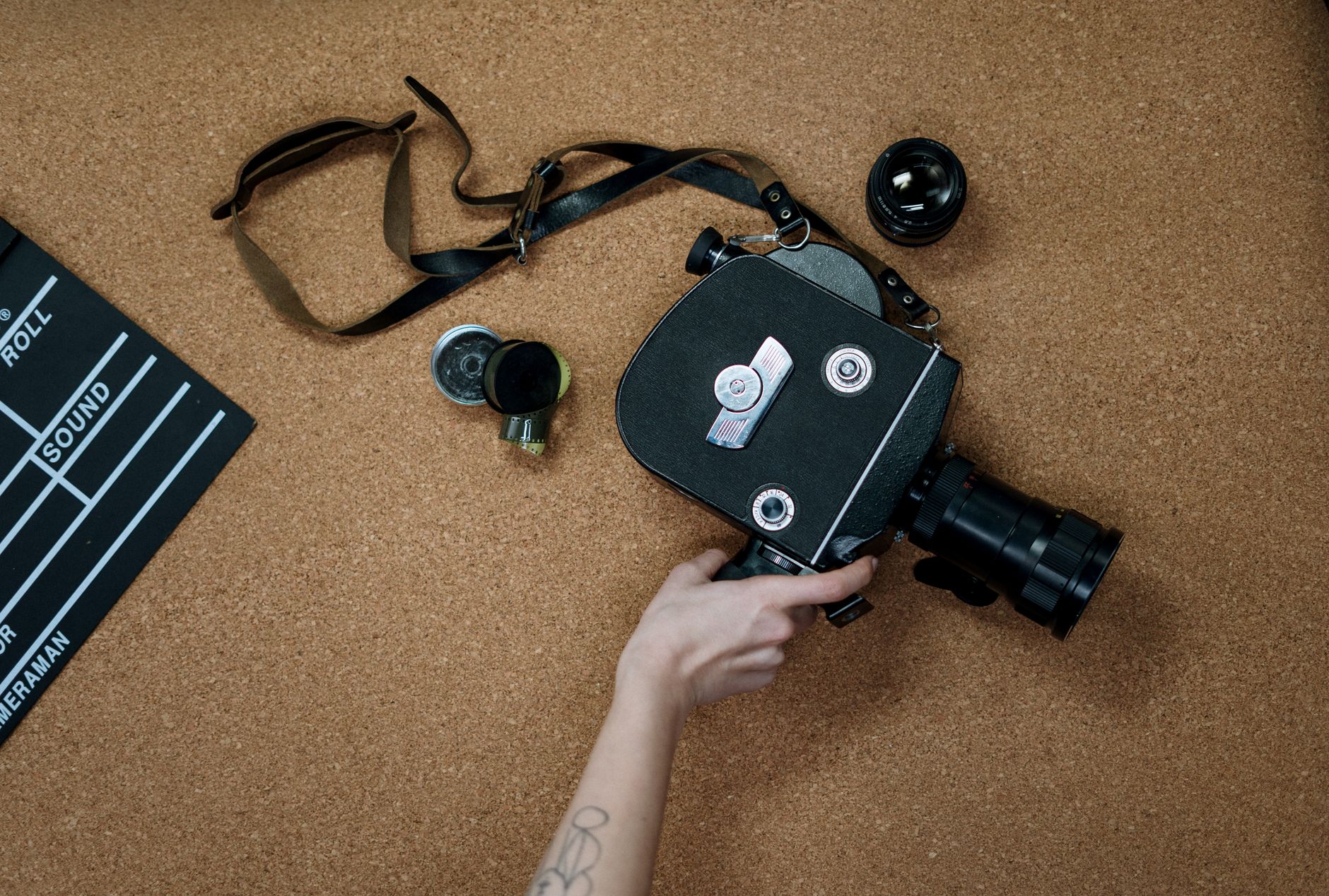
A horror movie becomes eligible for an Oscar nomination by meeting the same requirements as any other feature film. Genre creates no separate path, and no rule bars horror from any category. The Academy of Motion Picture Arts and Sciences, the organization behind the Oscars, controls eligibility through running time, exhibition, and submission rules. A horror film that satisfies those rules can compete wherever its work qualifies.
Table of Contents
- The Same Standard Applies To Horror
- What Makes A Release Count?
- Which Categories Can Horror Enter?
- What Actually Limits Horror Nominees?
The Same Standard Applies To Horror
There is no horror category at the Oscars. A horror film enters Best Picture, acting, directing, writing, and craft races under the same rules as a drama or comedy. Eligibility asks whether the film qualifies, not whether voters like horror.
Qualification turns on length, presentation, release, and proper entry. Quality judgments come later, during nominations voting. That distinction matters for filmmakers and fans. A strong horror release may still miss the ballot for taste or competition, not because the Academy rejected the genre.
What Makes A Release Count?
An eligible film generally needs feature length, a qualifying theatrical run, and exhibition in the required format. The run must occur in the designated market and follow Academy procedures for documentation and dates.
Producers often check these points early: Streaming or festival play alone usually does not create eligibility. The theatrical requirement protects wide-release films, but it forces independent horror teams to plan screenings carefully.
- Feature-length cut shown in correct technical format
- Qualifying commercial screenings over consecutive days
- Accurate credits and timely entry for each category
- Proof of creative contribution for craft submissions
Which Categories Can Horror Enter?
A qualifying horror film can seek nomination in any appropriate category. Best Picture, director, lead and supporting acting, and screenplay remain open when the work meets general and category rules. Craft categories often fit horror strengths.
Makeup and hairstyling, sound, visual effects, production design, cinematography, editing, and original score reward work horror regularly showcases. Performances and scripts face tougher competition because voting favors character-driven work. A horror entry still advances when acting, writing, or direction stands clearly apart from effects and atmosphere.
What Actually Limits Horror Nominees?
The main limit is voting preference, not eligibility text. Many voters associate horror with sensation rather than performance, structure, or theme, so support spreads thin across a large field. Campaign presentation can narrow that gap.
Clear screeners, category placement, interviews about craft choices, and early critics attention help voters judge the work rather than the label. Filmmakers should pick one or two strongest categories and submit complete supporting material. Enter the lead performer as lead, document effects and sound contributions, and meet every category deadline.