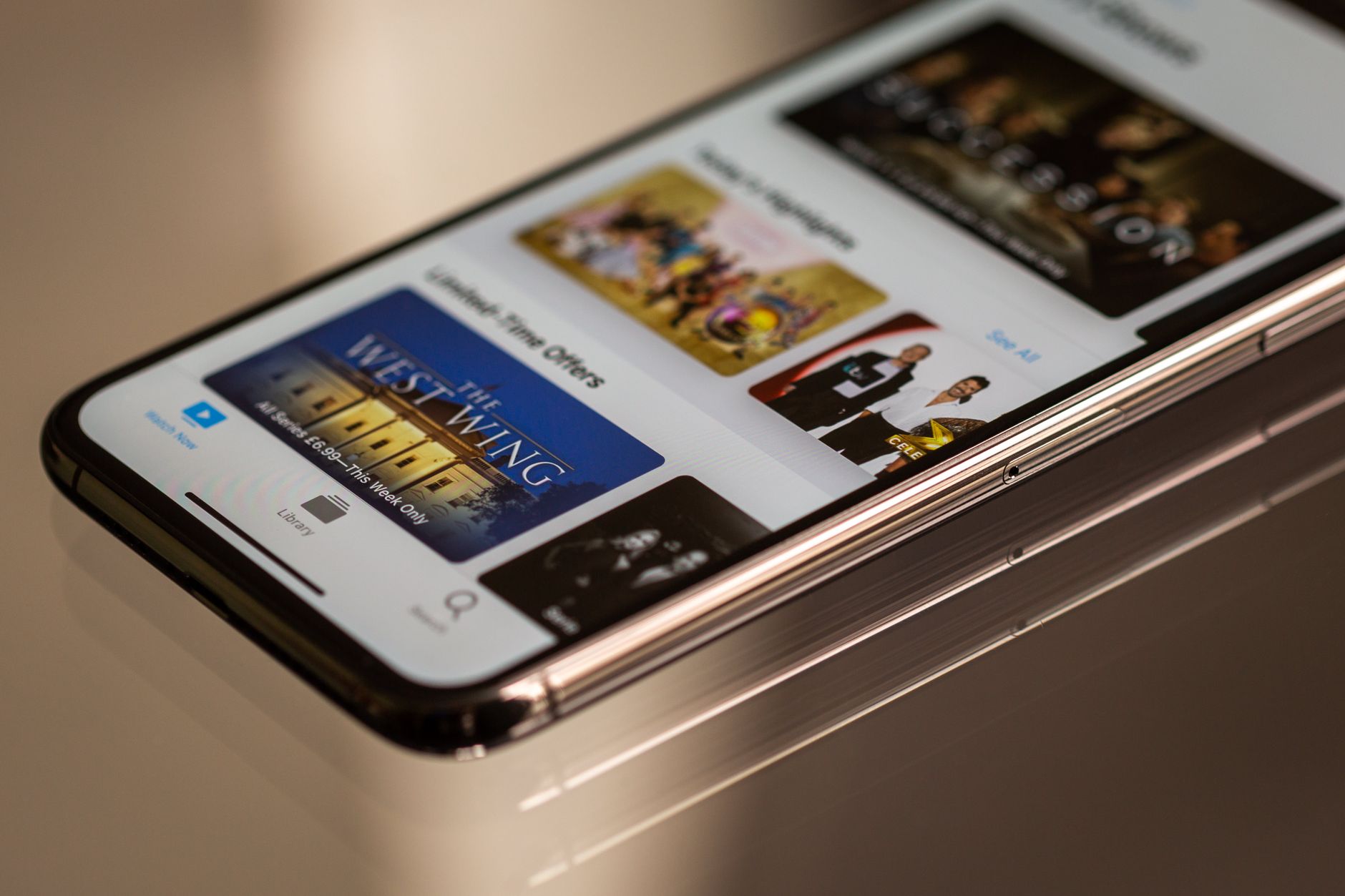
Amazon Prime Video holds the most movie sequels of any major streaming service, because it carries the largest general catalog of licensed theatrical films and because its storefront puts rental and purchase sequels alongside the subscription ones. Among studio-owned services, HBO Max and Paramount+ come closest for depth inside single franchises, since each one owns the films outright rather than licensing them.
No service publishes a sequel count, so the practical answer comes from how the libraries are built. Prime Video licenses broadly from every studio and keeps thousands of older catalog titles that other services drop; studio services carry fewer films but almost never lose the ones they own. Which matters more depends on whether you want many franchises or one complete franchise.
Table of Contents
- Why catalog size decides the sequel question
- Which service owns which franchises
- Subscription versus rental changes the answer
- How to check a franchise before you subscribe
- Where each approach breaks down
- Frequently Asked Questions
Why catalog size decides the sequel question
A sequel only exists because the first film made money, which means sequels cluster in the commercial middle of a studio's output — action, horror, comedy, animation. Those are exactly the films that get licensed widely and cheaply once they are five or ten years old. A service that licenses aggressively from all six majors ends up with more of them than a service that only streams its own. Prime Video is built that way.
Its subscription tier rotates licensed films in and out monthly, and its transactional storefront covers nearly everything released theatrically in the United States. For a reader counting sequels available to watch on one app tonight, with or without an extra charge, that combined shelf is the deepest. The trade-off is reliability. A licensed sequel can disappear at the end of its window, and franchise films often arrive out of order — the second and fourth entries streaming while the first and third sit behind a rental fee.
Which service owns which franchises
Studio consolidation means most big franchises now have a permanent home. That home is the service least likely to lose the films, and usually the only place the whole set streams together.
Disney+ deserves a specific note. The MCU is the single largest interconnected run of sequels ever produced, and it streams there in full. If "most sequels" means the deepest continuous series rather than the widest shelf, Disney+ wins on that definition.
- HBO Max (Warner Bros. Discovery): The Lord of the Rings and The Hobbit, The Matrix, the DC films, the Conjuring series, and the Harry Potter and Fantastic Beasts films.
- Paramount+: Mission: Impossible, Transformers, Star Trek, the Paramount Indiana Jones-era catalog entries it controls, Scream, and the Jackass films.
- Peacock (NBCUniversal): Fast & Furious, Jurassic Park and Jurassic World, Despicable Me and Minions, the Bourne films, and the Universal monster and Halloween entries it holds.
- Disney+: the Marvel Cinematic Universe, Star Wars, Pixar sequels, and the live-action remakes and their follow-ups.
- Netflix: fewer owned franchises overall, but it originates its own sequels — the Knives Out films, Extraction, and The Old Guard among them.
Subscription versus rental changes the answer
Most sequel counts collapse when you separate what a subscription includes from what the same app will sell you. Prime Video, Apple TV, and YouTube all offer effectively complete transactional libraries, so any of them can produce almost any sequel for a fee. That is a storefront result, not a catalog result. Measured on subscription access alone, the picture tightens considerably.
HBO Max and Peacock both punch above their total title counts because their owned franchises are long: five Transformers films or ten Fast & Furious entries move a sequel count much faster than a hundred unrelated dramas. Free ad-supported services complicate it further. Tubi, Pluto TV, and Roku Channel license older action and horror catalogs cheaply, and those catalogs are sequel-dense — direct-to-video follow-ups, late franchise entries, and horror series that ran to six or seven films. For sheer sequel volume at no cost, Tubi is the one worth checking before paying for a rental.
How to check a franchise before you subscribe
Catalogs change at the start of most months, and a franchise can be split across three services at once. Checking takes about two minutes and is more reliable than any published list.
- Search a franchise aggregator such as JustWatch or Reelgood by film title, not franchise name, and note which service shows each entry.
- Confirm whether each result is "included with subscription" or a rental price — the labels sit next to each other and are easy to misread.
- Check the studio first. If the series is Warner Bros., start with HBO Max; Universal, start with Peacock. Owned films move the least.
- Look at the ad-supported free tiers for anything more than fifteen years old before paying.
- If a middle entry is missing, check the free services specifically. Odd-numbered gaps in a franchise are usually a licensing split, not a removal.
Where each approach breaks down
Sequel depth and film quality pull in opposite directions. The services with the most sequels have them partly because they hold large volumes of low-budget franchise extensions, so a long list is not a sign of a strong library.
Regional licensing also undoes any count. The same service carries different films in different countries, and a franchise complete on one country's version of Prime Video may be missing three entries on another. Any number quoted without a country attached describes nothing a reader can act on.
Frequently Asked Questions
Does Netflix have the most sequels?
No. Netflix carries fewer licensed franchise films than Prime Video and fewer owned ones than the studio services, though it does produce its own sequels like the Knives Out and Extraction films.
Why is the first film in a series often missing?
Licensing is sold per title, not per franchise. Rights to individual entries can sit with different distributors, especially when an original film predates the studio's acquisition of the series.
Is there one service that carries a complete major franchise?
Yes, usually the studio's own. Disney+ carries the Marvel films, HBO Max the Lord of the Rings and Harry Potter films, and Peacock the Jurassic and Fast & Furious entries — because each company owns what it streams.