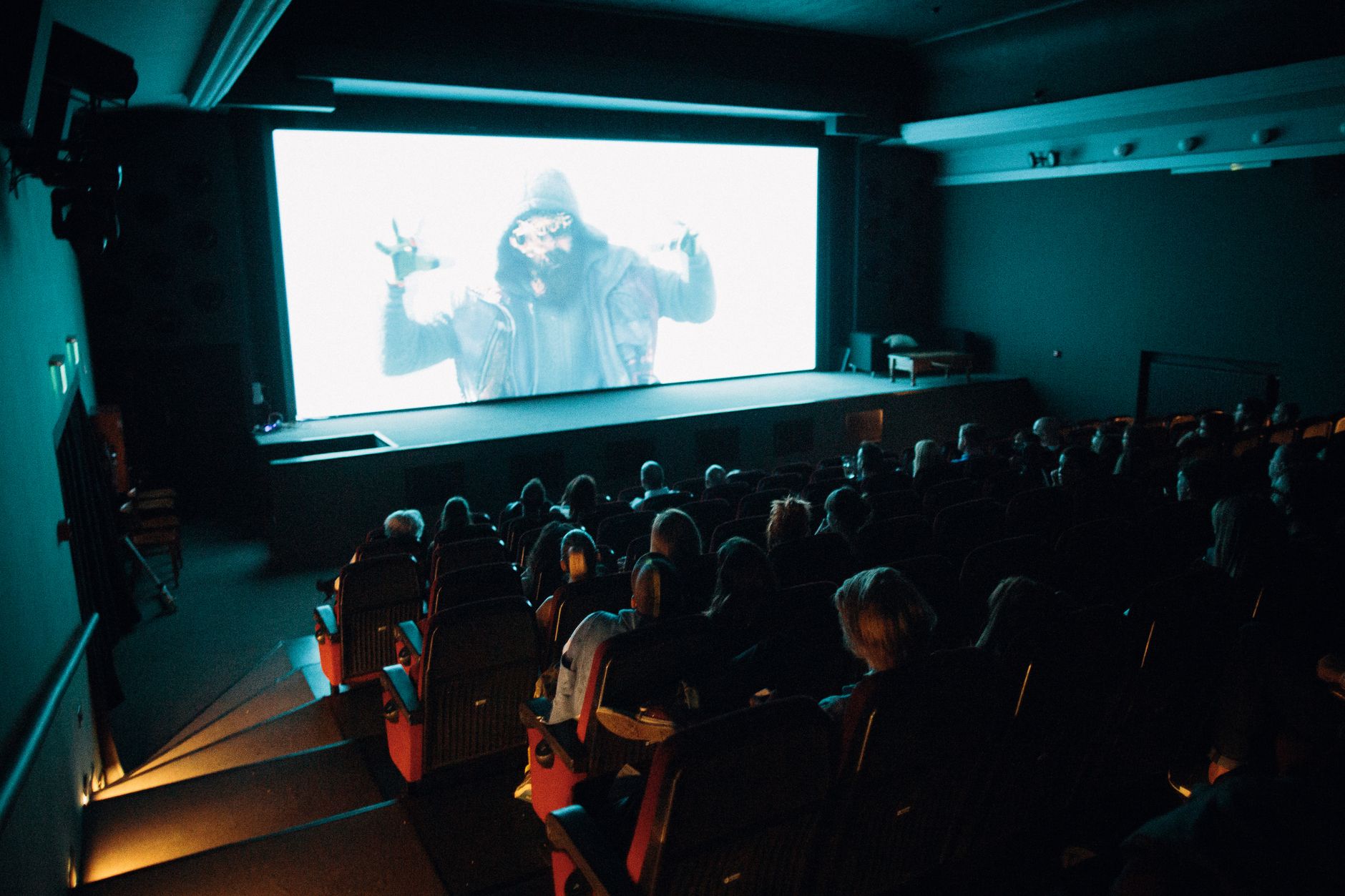
Horror franchises survive more sequels than dramas because they sell a repeatable threat instead of a finished story. Viewers return for the monster, the rules, and the scare ritual, while drama viewers expect closure. A franchise here means a series of films sharing a killer, creature, or cursed place. That anchor lets each film reset with new victims while keeping what fans recognize.
Table of Contents
- What Makes a Horror Setup Repeatable?
- Why Do Dramas Resist Continuation?
- How Do Budget and Habits Favor Horror?
- When Does the Horror Sequel Stop Working?
What Makes a Horror Setup Repeatable?
The threat carries the series, not the cast. A masked killer or haunted house needs little backstory to work again. Each entry can change victims, settings, and tricks while keeping the core rule.
Fans accept new faces because the monster stays familiar. Death scenes, chases, and final confrontations give a clear shape. Writers can vary that shape without breaking viewer trust.
Why Do Dramas Resist Continuation?
Dramas usually follow one person's change, loss, or choice. Once that arc resolves, a sequel can feel forced. Strong dramas also depend on specific actors and quiet detail.
Recasting or raising the stakes often breaks what made the first film work. Drama fans prize realism and emotional truth. They are quicker to reject a sequel that repeats the same crisis.
How Do Budget and Habits Favor Horror?
Horror films often use small casts, limited locations, and practical effects. That structure makes another entry a smaller gamble. Horror viewing also supports repeats in ways drama rarely matches.
Fans rewatch for kills, clues, and group reactions rather than surprise alone. Dramas depend more on awards talk and slow word of mouth. That path makes studios less eager to order part five.
- Friends seek shared scares on weekends and holidays
- Fans enjoy spotting rules, Easter eggs, and returning villains
- Late-night viewing rewards simple plots and loud payoffs
When Does the Horror Sequel Stop Working?
Repetition can turn dread into routine. When the rules never change, viewers start predicting every scare. Overexplaining the villain often hurts more than it helps.
Mystery keeps horror alive, while too much origin story shrinks it. Look for a sequel that adds one clear idea instead of louder noise. A new setting, rule, or survivor goal often signals care.