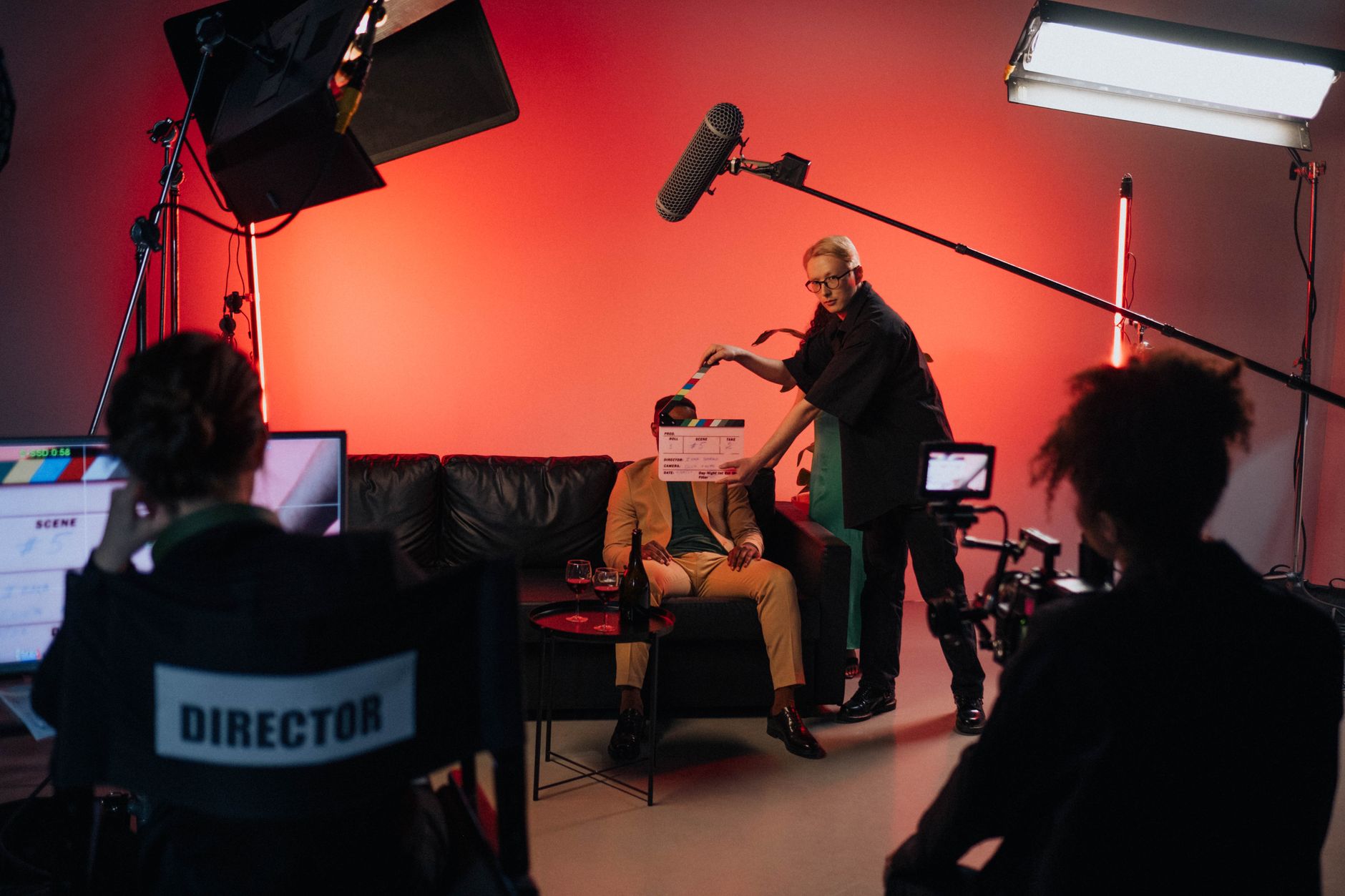
Crew members move between film and TV through freelance hiring, referrals, and union rosters. A camera assistant, gaffer, or costume designer finishes one job and starts another, often with people they have worked with before. Below-the-line crew means the skilled trades and technicians who build, shoot, light, record, dress, and edit a production. Film and TV draw from the same labor pool, so movement is normal rather than exceptional.
Table of Contents
- Why is crossing over so common?
- How does hiring actually work?
- What changes between a film set and a TV set?
- What helps a crew member stay working in both?
- Why is crossing over so common?
- How does hiring actually work?
- What changes between a film set and a TV set?
- What helps a crew member stay working in both?
Why is crossing over so common?
Film and TV use the same core crafts. Camera, grip, electric, sound, art, hair, makeup, costume, locations, and post-production exist on both. A worker with the right skill can apply it in either format with little retraining.
Work itself is project-based. Most crew are hired per show or per season, not kept on staff. When shooting ends, they look for the next production, whether it is a feature or a series.
How does hiring actually work?
Producers hire department heads, and those heads build their teams. A director of photography brings trusted camera operators and assistants. A production designer brings art directors, set decorators, and carpenters.
Reputation carries weight. Reliability, speed, safety, and calm under pressure lead to repeat calls. One strong run on a demanding set can produce years of later jobs.
- Department head gets the offer and dates
- Head contacts reliable crew from past jobs
- Coordinators fill gaps through agents, rosters, and referrals
- Production checks union status, availability, and credits
What changes between a film set and a TV set?
Schedule and pace differ. Features often shoot one story over weeks or months. Series shoot many pages per day and sustain that pace across episodes. Crew moving to TV must work faster and protect continuity across scenes shot out of order.
Roles stay similar, but authority can shift. TV gives continuing power to showrunners, writers, and producing directors. Film centers more authority with the director. Crew learn to take notes from different bosses and adjust to house styles for lighting, camera coverage, and workflow.
What helps a crew member stay working in both?
Flexibility matters more than gear. Workers who accept varied hours, locations, night shoots, and last-minute changes get hired again. Those tied to only one format, budget level, or city face longer gaps.
Relationships and paperwork matter too. Keeping credits current, maintaining union standing, and staying reachable help coordinators make fast offers. Many technicians keep a simple reel, photos of work, and a short list of references ready to send the same day.