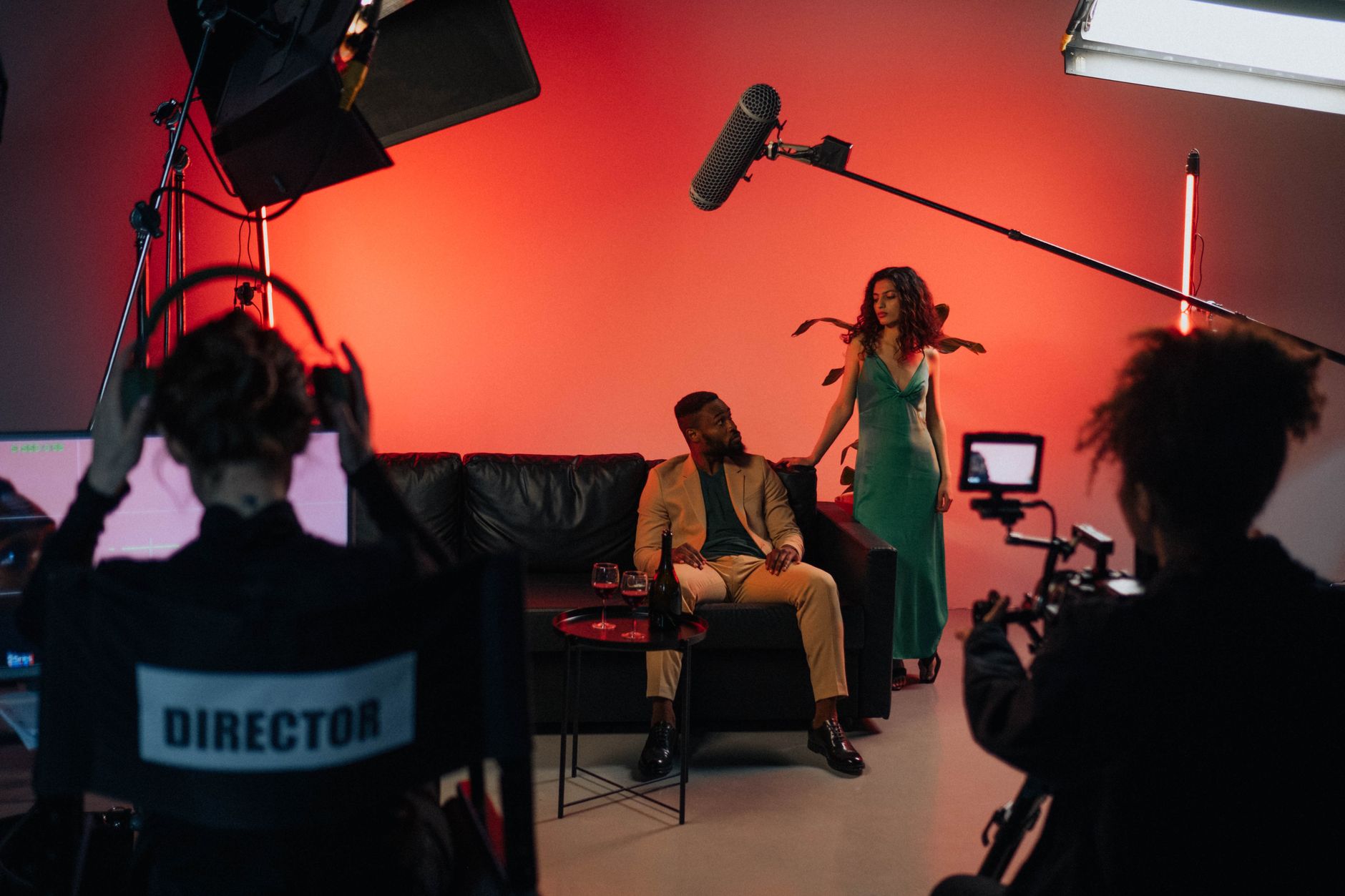
Voice actors get cast for animated films through auditions arranged by casting directors, often after an agent submits them for a specific role. Directors and producers then select performers based on vocal fit, acting skill, and how well the voice supports the story. A casting director, the person hired to find and test performers, manages much of this process. For viewers, this matters because the chosen voice shapes how a drawn character feels, moves, and holds attention.
Table of Contents
- Who decides the cast?
- How do auditions work?
- Why do studios cast famous actors?
- How do newcomers earn film roles?
Who decides the cast?
The casting director starts by breaking down each role by age, tone, energy, and acting demands. They invite agents to suggest clients, and they may also seek stage actors, comedians, or skilled voice specialists. The animation director, producers, and studio executives make the final choice.
They listen to shortlisted tapes together and weigh performance against character designs, plot needs, and audience appeal. Voice casting often happens before animation is finished. A strong reading can therefore influence how animators time jokes, expressions, and movement.
How do auditions work?
Most film auditions begin with a taped tryout. The actor records assigned lines alone, usually from home or a casting studio, and the team reviews the takes without meeting every candidate.
Typical steps include: Callbacks test range and direction. A director may ask for a warmer read, a faster pace, or a different personality for the same lines.
- agent submission or direct invitation for a defined role
- first audition with several line readings in different tones
- callback with revised direction or new scenes
- final approval by the director and producers
Why do studios cast famous actors?
Familiar names can help market an animated film and signal its tone to parents and older viewers. A well-known comic actor, for example, tells audiences to expect humor before they hear a line. Not every celebrity auditions in the usual way.
Some receive a direct offer because the filmmakers wrote the part with their voice in mind or want their public persona. Career voice actors often follow a different path. They audition more regularly, play several background or supporting roles, and bring precise microphone technique, quick character shifts, and stamina for repeated takes.
How do newcomers earn film roles?
New performers usually need an agent, strong acting training, and a demo reel, a short audio sample that shows distinct characters and clear delivery. Agents use that reel to win audition invitations. Early work often comes from shorts, games, dubbing, classes, and workshops.
Those credits build skill, professional habits, and relationships with casting offices. Breaking in takes time because film casts are small and competition is broad. Aspiring actors often start with training, a focused character reel, and smaller voice jobs before film agents will submit them.