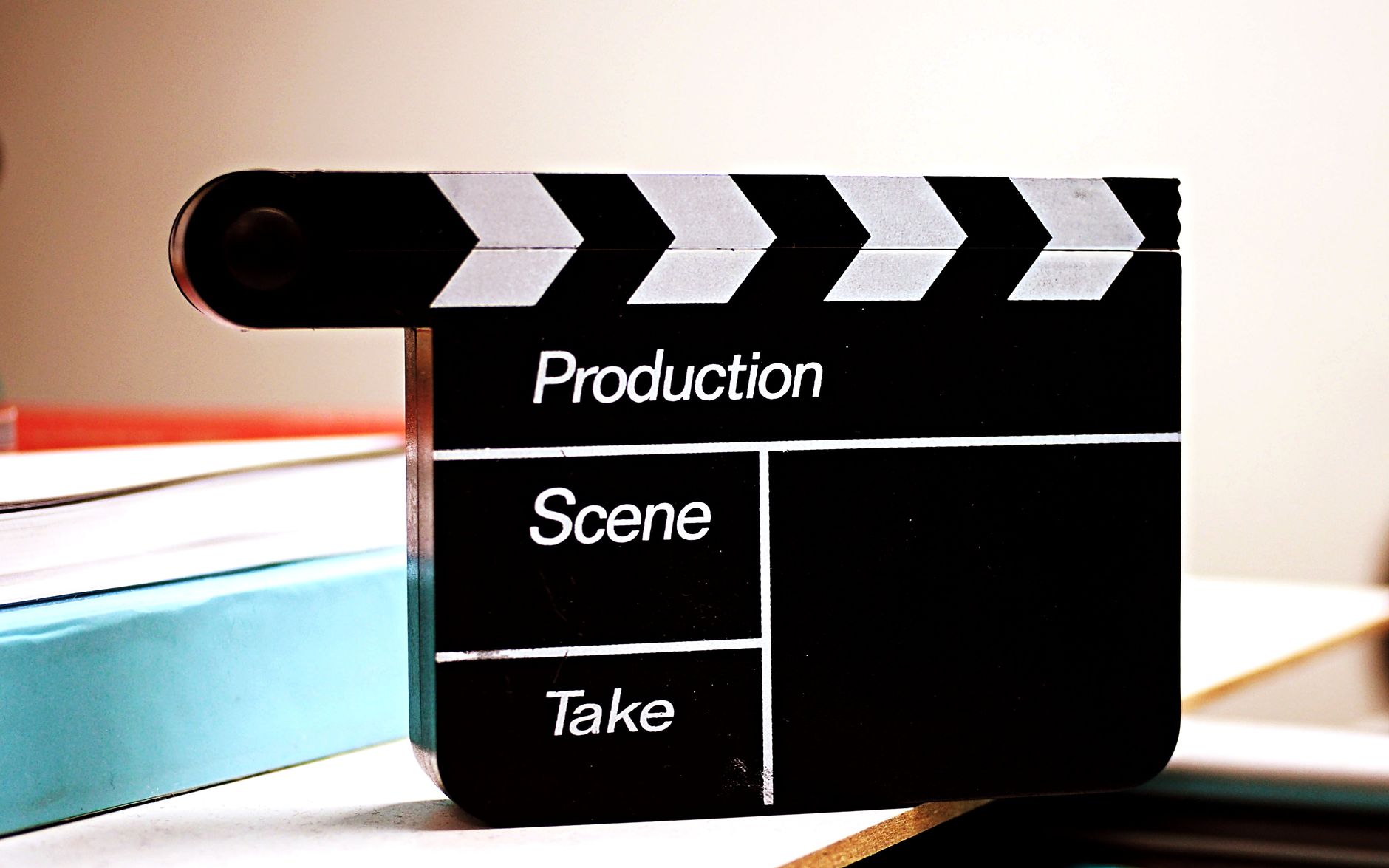
A film's below-the-line crew means the hired production workforce that builds, shoots, and finishes the movie. It includes camera operators, grips, electricians, sound mixers, art staff, costume and makeup artists, editors, and support staff.
The term comes from the budget sheet. Above the line sits the core creative deals for writers, directors, producers, and principal actors. Below the line sits almost everyone else who does hands-on production work.
Table of Contents
- Where is the line?
- Who keeps the shoot moving?
- Who captures picture and sound?
- Who builds what you see on screen?
- Who finishes the film after shooting?
- Frequently Asked Questions
Where is the line?
The line is financial, not a judgment of talent. Above-the-line contracts are often negotiated individually and can include profit participation. Below-the-line jobs are usually paid as wages or day rates tied to craft, hours, and union rules.
That distinction shapes daily life on set. Above-the-line talent may join late and leave early. Below-the-line crew members staff each department through prep, shooting, and wrap.
Who keeps the shoot moving?
The production department manages schedule, budget, people, and paperwork. The assistant director team runs the set minute by minute, calls actors and departments, and keeps the day on schedule.
Locations, transport, catering, and production assistants support that work. Location managers secure permits and access, drivers move people and gear, and assistants handle calls, lockups, meals, and deliveries.
Who captures picture and sound?
The camera department operates cameras, selects lenses with the cinematographer, pulls focus, and manages media. Digital imaging technicians monitor exposure and color, back up files, and keep footage ready for editing.
Grips shape and move light with rigs, dollies, cranes, flags, and diffusion. Electricians power and rig the lights under the gaffer. The sound team records dialogue and effects on set with mixers and boom operators.
- Camera: operators, assistants, loader, imaging technician
- Grip and electric: grips, riggers, gaffer, best boy, electricians
- Sound: production mixer, boom operator, utility sound technician
Who builds what you see on screen?
The art department designs and builds the physical world. Production designers lead the look, while art directors, set designers, builders, painters, decorators, and props masters make rooms, streets, and objects camera-ready.
Costume, hair, and makeup dress each character. Designers choose clothing, buyers find it, dressers maintain it, and hair and makeup artists create styles, injuries, aging, and creature effects. Special effects crews, stunt teams, armorers, and animal handlers add practical action under tight safety controls.
Who finishes the film after shooting?
Editors assemble picture, assistant editors organize footage, and colorists shape the final look. Visual-effects artists create or clean digital shots, from backgrounds and weather to creatures and full digital environments.
Post-production sound crews edit dialogue, add effects, record replacement lines, and mix tracks for theaters and home viewing. Coordinators, accountants, medics, safety staff, drivers, caterers, and security support the work from first prep day through final delivery.
Frequently Asked Questions
Are assistant directors below the line?
Yes. First, second, and second-second assistant directors manage scheduling and daily set operations.
Are background actors below the line?
Yes. Extras and stand-ins are hired production labor, separate from principal cast deals.
Do below-the-line workers earn residuals?
Some do through union contracts, especially in editing, sound, camera, and other covered crafts. Terms vary by union, job, and contract.