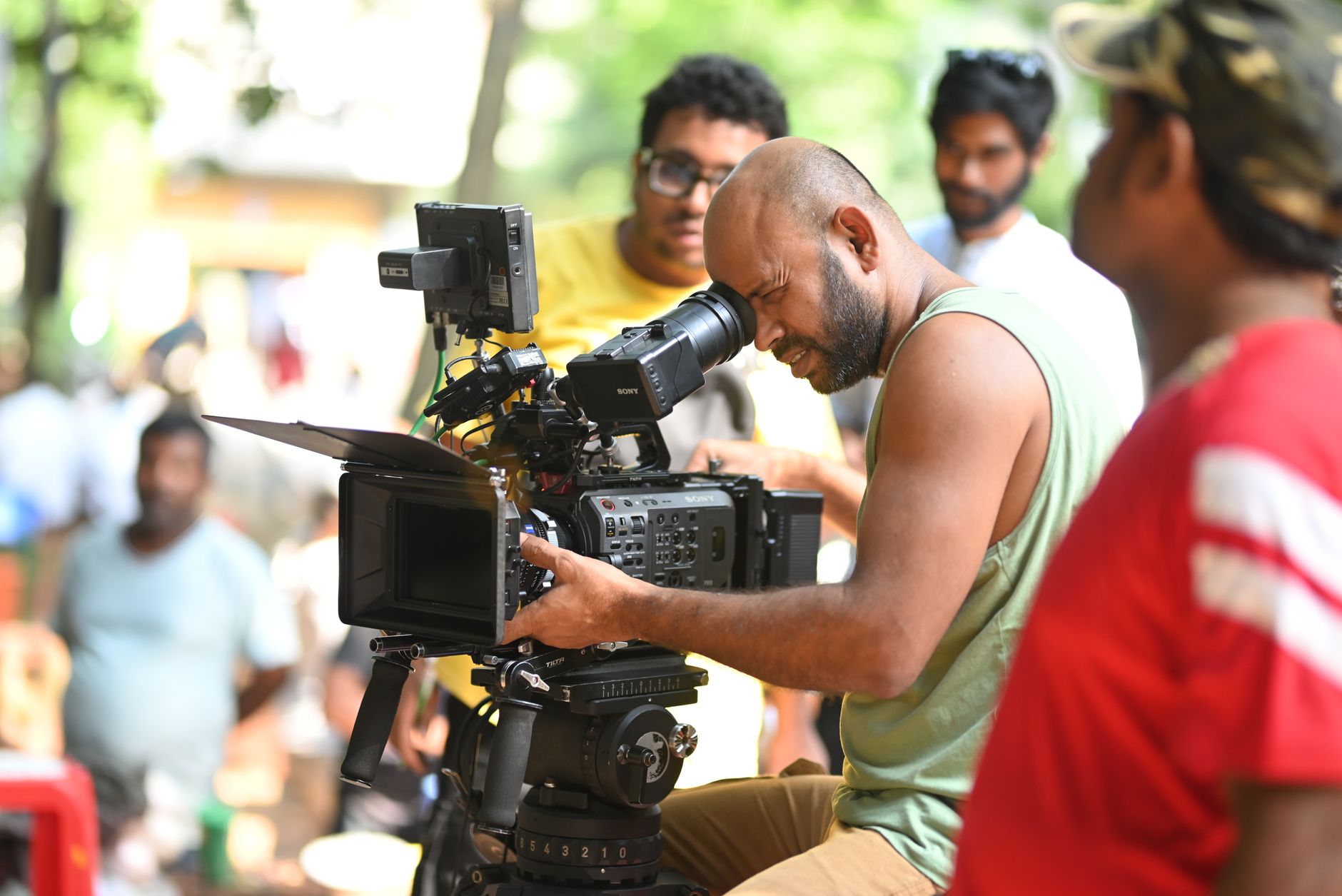
A narrative movie takes a small core team on a low-budget feature and several hundred workers on a large studio production. Crew here means the paid specialists who plan, shoot, and finish the film, not the cast. The exact count depends on story scale, shooting days, locations, and effects. A contained drama needs fewer hands than an action film with stunts, crowds, and builds.
Table of Contents
- What counts as crew?
- Why can small films stay lean?
- Why do large films need so many people?
- Which departments drive the number?
- Frequently Asked Questions
What counts as crew?
Crew covers department heads, technicians, assistants, and support staff. It includes camera, sound, lighting, art, costume, hair and makeup, locations, transport, catering, and post-production.
It does not usually include cast, financiers, distributors, or theater staff. Extras and day players can swell the on-set headcount, but they fill the frame rather than make the film.
Why can small films stay lean?
A small feature keeps locations few, effects practical, and days tight. One person may then cover several roles, such as producer also managing locations.
Lean crews move faster and cost less. The trade-off is longer hours, slower problem-solving, and less backup when equipment fails or weather shifts.
Why do large films need so many people?
Large stories need parallel work. While one unit shoots actors, others build sets, dress locations, manage traffic, handle safety, and prepare effects. Specialized tasks also multiply staff:.
- stunt, water, aerial, or crowd work needs riggers and safety officers
- period or fantasy worlds need builders, painters, and costume makers
- night exteriors and large sets need more lighting and grip support
- many locations need drivers, medics, security, and catering teams
Which departments drive the number?
Camera, lighting and grip, art, costume, and locations often grow fastest. A chase, battle, or concert scene can add operators, riggers, builders, dressers, and traffic control at once.
Post-production adds editors, sound designers, colorists, effects artists, and music staff. Viewers rarely see them in set photos, yet they form a large share of total labor.
Frequently Asked Questions
Does a documentary need the same crew as a feature?
Usually not. Many documentaries travel with a director, camera operator, sound recordist, and producer, then add editors and color and sound finishers later.
Why do credits list so many names?
Credits combine pre-production, shoot, post-production, vendors, and sometimes multiple units. One person may also appear under more than one job across a long shoot.
How should a beginner estimate crew needs?
Start from script demands: night shoots, vehicles, animals, children, crowds, effects, and distant locations. Each demand points to extra skilled help and safety cover.