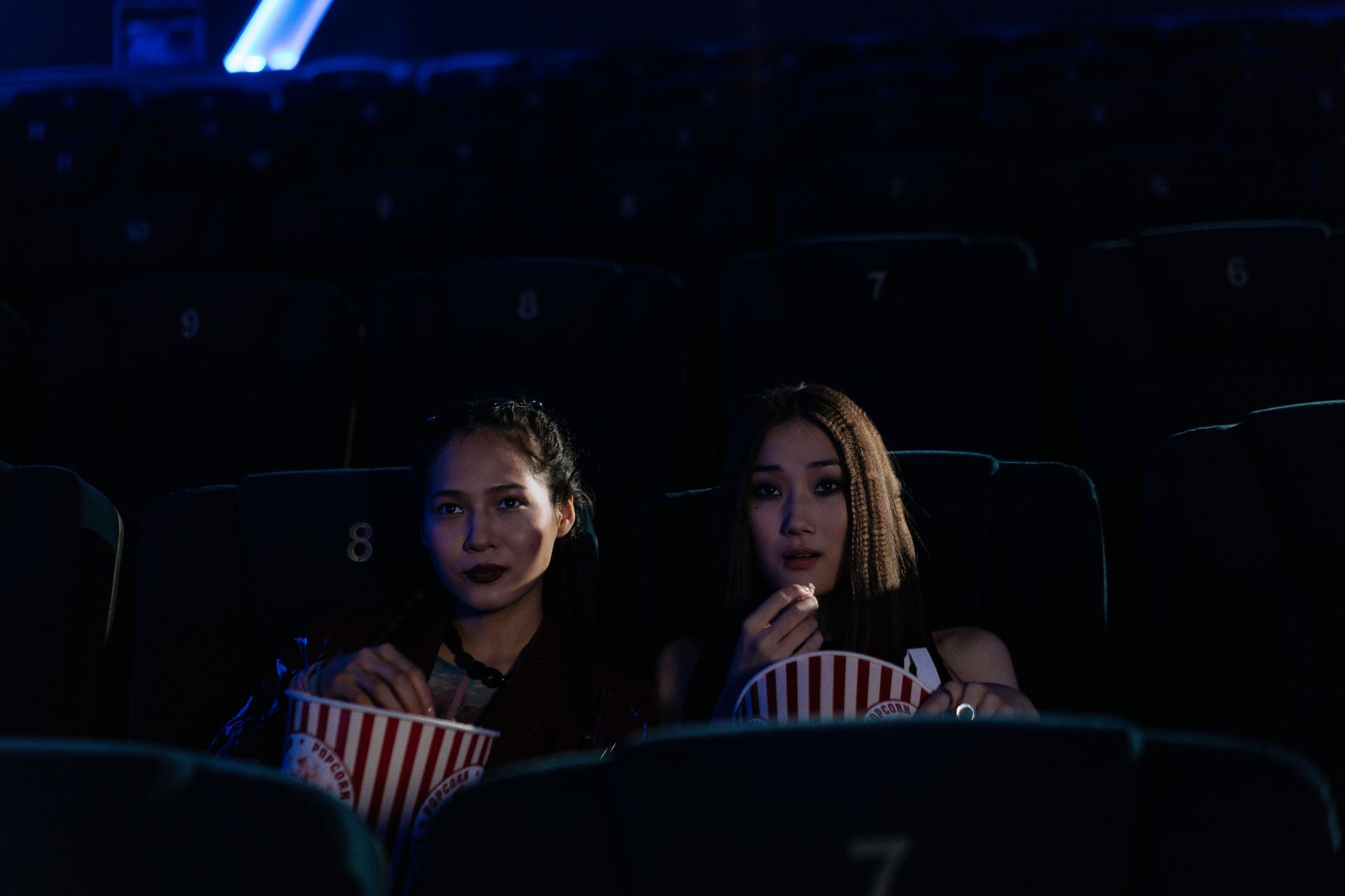
A PG-13 rating means the Motion Picture Association's ratings board judged a film's violence, language, nudity, or other intense content too strong for a plain PG but not strong enough to require an R. For horror specifically, that puts a hard ceiling on gore and sustained brutality while leaving dread, suspense, and disturbing ideas largely untouched. The rating is assigned by the Classification and Rating Administration (CARA), an independent division of the Motion Picture Association made up mostly of parents. CARA's own definition of PG-13 is "Parents Strongly Cautioned," covering content that goes beyond PG-level violence, nudity, sensuality, or language without crossing into R territory, according to filmratings.com.
Table of Contents
- What CARA Actually Weighs for PG-13
- Why PG-13 Exists at All
- How the Ceiling Shapes Horror Filmmaking
- Does PG-13 Help or Hurt Horror at the Box Office?
- What the Rating Tells a Viewer Before Watching
- Frequently Asked Questions
What CARA Actually Weighs for PG-13
CARA doesn't score horror films on fear alone. It weighs the same elements it weighs for every genre — violence, language, nudity, sensuality, and drug use — and places PG-13 as the tier above PG and below R, according to the Motion Picture Association. A film can be intensely frightening and still land at PG-13 if the board judges its objectionable content moderate rather than extreme.
Violence is where horror runs into the sharpest line. CARA's standard allows intense violence at PG-13, but violence that is both realistic and extreme or persistent typically pushes a film into R territory instead, according to a theatre-chain ratings guide citing MPA criteria. That distinction — intensity versus realism-plus-persistence — is why two equally scary films can land on opposite sides of the PG-13 line depending on how graphically and how long the violence is shown.
Why PG-13 Exists at All
PG-13 wasn't part of the original ratings system. It was created in 1984 after parents objected to the PG ratings given to "Gremlins" and "Indiana Jones and the Temple of Doom," both tied to Steven Spielberg, who publicly suggested adding a middle tier between PG and R, according to Mental Floss.
MPAA president Jack Valenti initially resisted the idea, asking "Who is smart enough to say what is permissible for a 13-year-old and not for a twelve-year-old?" before the board adopted PG-13 within two months of Temple of Doom's release, according to The Hollywood Reporter. The first film actually released under the new rating was "Red Dawn," on August 10, 1984 — months ahead of the horror and adventure films that are usually credited with prompting the change, according to Mental Floss. The category exists because the gap between PG and R had become too wide for films that frightened or unsettled audiences without the graphic content that defines an R.
How the Ceiling Shapes Horror Filmmaking
Because PG-13 caps graphic gore, horror directors working inside it lean on suspense, suggestion, and jump scares instead of lingering on violence. "M3GAN" (2022) director Gerard Johnstone said studio-mandated reshoots to secure a PG-13 made the film's horror "more effective," since cutting away from violence rather than showing it built more tension, according to /Film.
That ceiling sometimes forces changes after a film is already finished. Wes Craven's "Cursed" (2005) was re-edited and partly reshot specifically to secure a PG-13 after test screenings of an R-rated cut, showing that ratings negotiations can reshape a horror film's content well after production wraps, according to Kent Wired. A PG-13 cut is frequently a different film than the version that was originally shot, not just a trimmed one.
- Expect restraint on blood, wounds, and torture-style violence
- Expect restraint on nudity and sexual content
- Expect no restraint on dread, dark themes, or how scary the film feels overall
Does PG-13 Help or Hurt Horror at the Box Office?
PG-13 widens a film's reach by letting under-17 viewers see it without a parent, but that access doesn't guarantee bigger returns. In 2022, the top-grossing R-rated horror film, "Nope," earned roughly $123 million, far outpacing the top-grossing PG-13 horror film that year, "The Invitation," at roughly $25 million, according to Axios.
A broader audience doesn't automatically translate into broader box office when the R-rated film is simply the stronger draw. That gap matters for anyone trying to predict a horror release's commercial prospects from its rating alone. The rating affects who can buy a ticket, not how good the film is or how much people want to see it.
What the Rating Tells a Viewer Before Watching
A PG-13 rating on a horror film is a signal about intensity, not tone. It means the film avoids graphic gore, sustained brutality, and nudity at the level that would trigger an R, but it says nothing about how frightening, tense, or disturbing the experience will feel, based on CARA's criteria as described above. Parents and younger viewers checking a horror title's rating should treat PG-13 as a ceiling on gore and explicit content, not a promise that the film will feel mild.
- A PG-13 horror film can still deliver sustained dread and dark subject matter
- Graphic wounds, torture, or persistent realistic violence are the specific things it rules out
- Jump scares, suggestion, and psychological tension are unrestricted at this rating
Frequently Asked Questions
Can a PG-13 horror film still be very scary?
Yes. The rating limits graphic violence, nudity, and sustained brutality, but places no restriction on suspense, dread, or disturbing themes, based on CARA's criteria from the Motion Picture Association.
What pushes a horror film from PG-13 to R?
Violence that is both realistic and extreme or persistent typically crosses the line into R, according to a theatre-chain ratings guide citing MPA criteria.
Does a PG-13 rating guarantee better box office for a horror film?
No. In 2022, the top R-rated horror film outgrossed the top PG-13 horror film by roughly $98 million, according to Axios.