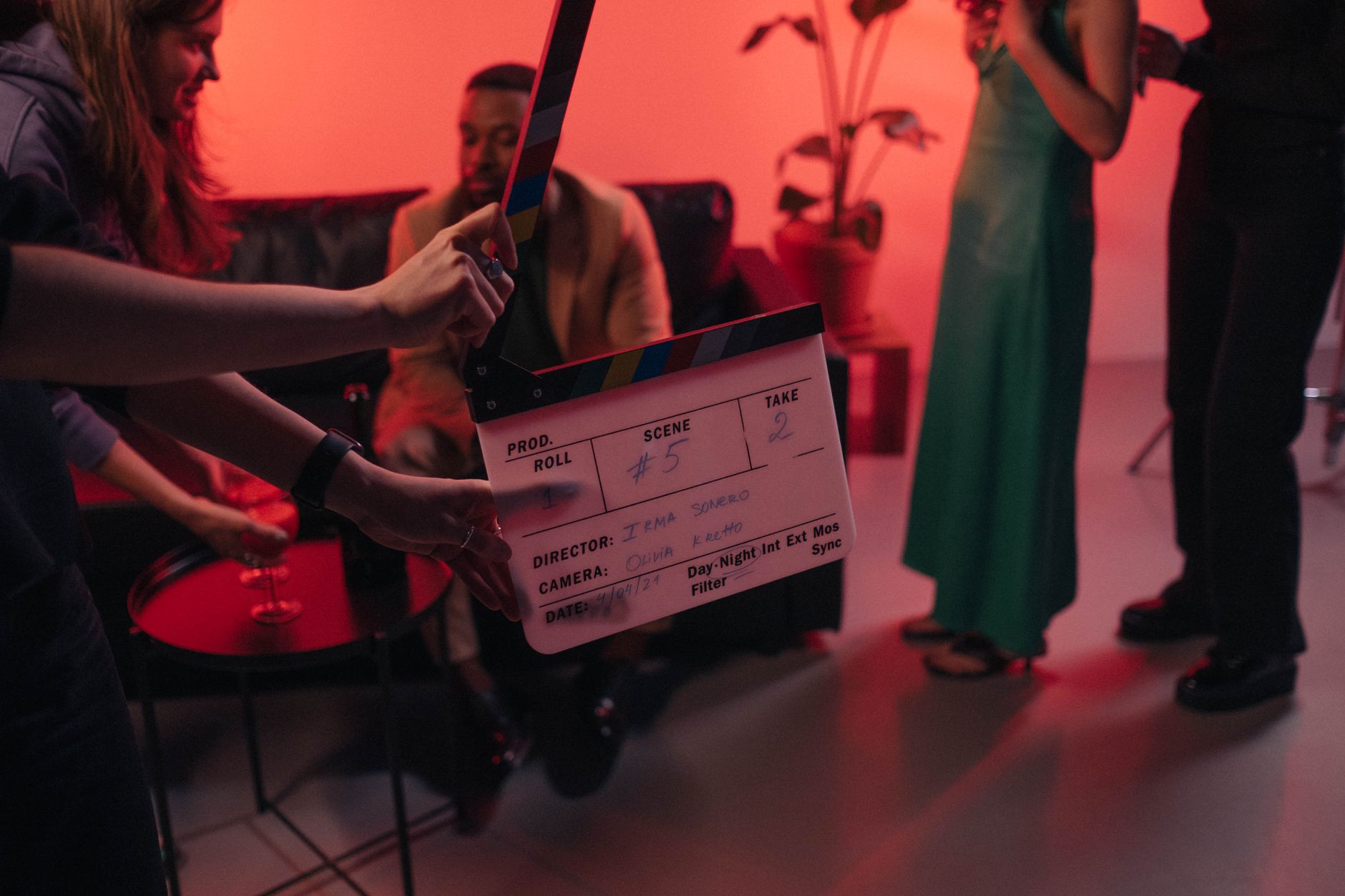
The language of film criticism is a shared shorthand for describing how movies create meaning. It names choices in image, sound, story, and style so readers can discuss them with precision. You do not need film school to use it. Once you know what a dozen core terms point to on screen, reviews become clearer and your own reactions become easier to explain.
Table of Contents
- What does mise-en-scène actually mean?
- How do critics separate story from plot?
- What are critics hearing in sound and editing?
- What do labels like auteur and genre actually claim?
- How can you read a review like a critic?
What does mise-en-scène actually mean?
Mise-en-scène means everything placed before the camera. It covers sets, props, costumes, makeup, lighting, actor placement, and movement within the frame. Critics use it to explain mood without talking only about plot.
A cramped kitchen, harsh overhead light, and actors kept far apart can signal tension before anyone speaks. Use the term only when you can name the detail. Point to the color, object, or blocking choice, then say what effect it creates for the viewer.
How do critics separate story from plot?
Story means the full chain of events in chronological order. Plot means the order and manner in which the film reveals those events to you. This split lets critics discuss structure apart from subject.
A review might praise a tight plot while finding the underlying story familiar, or vice versa. Watch for related tools like exposition, pacing, and point of view. Exposition delivers needed background, pacing describes the rhythm of new information, and point of view sets whose knowledge limits what you see.
What are critics hearing in sound and editing?
Diegetic sound comes from inside the story world, such as dialogue, footsteps, or a radio a character hears. Non-diegetic sound comes from outside it, such as a score or narrator added for the audience. Editing terms describe how shots join together.
Continuity editing hides cuts to keep action smooth, montage builds meaning by collision between shots, and a long take holds one shot to preserve time and space. Listen and watch for the reason behind the choice. A sudden silence can focus attention, a quick montage can compress effort, and a held take can raise pressure by refusing to cut away.
What do labels like auteur and genre actually claim?
Auteur points to a director with a strong, repeated personal style across films. Genre points to shared rules and expectations, such as mysteries built around clues or musicals built around performance numbers. These labels are shortcuts, not grades.
They help you predict methods and compare choices, but a film can work inside a genre or break its rules well. Treat formalist and realist as aims rather than ranks. Formalist moments draw attention to shape and pattern, while realist moments aim for daily-life texture, and many films mix both.
How can you read a review like a critic?
Focus on evidence, not verdict. A useful review links each judgment to a visible or audible choice you could check yourself.
Apply the same habit when you write or talk about film. Name one clear moment, describe what happens in it, then state the effect in plain words.
- Find the claim about acting, image, sound, or structure.
- Find the concrete moment offered as proof.
- Ask if the proof fits the claim.
- Notice when taste explains a split: you may accept the reading yet enjoy the film anyway.