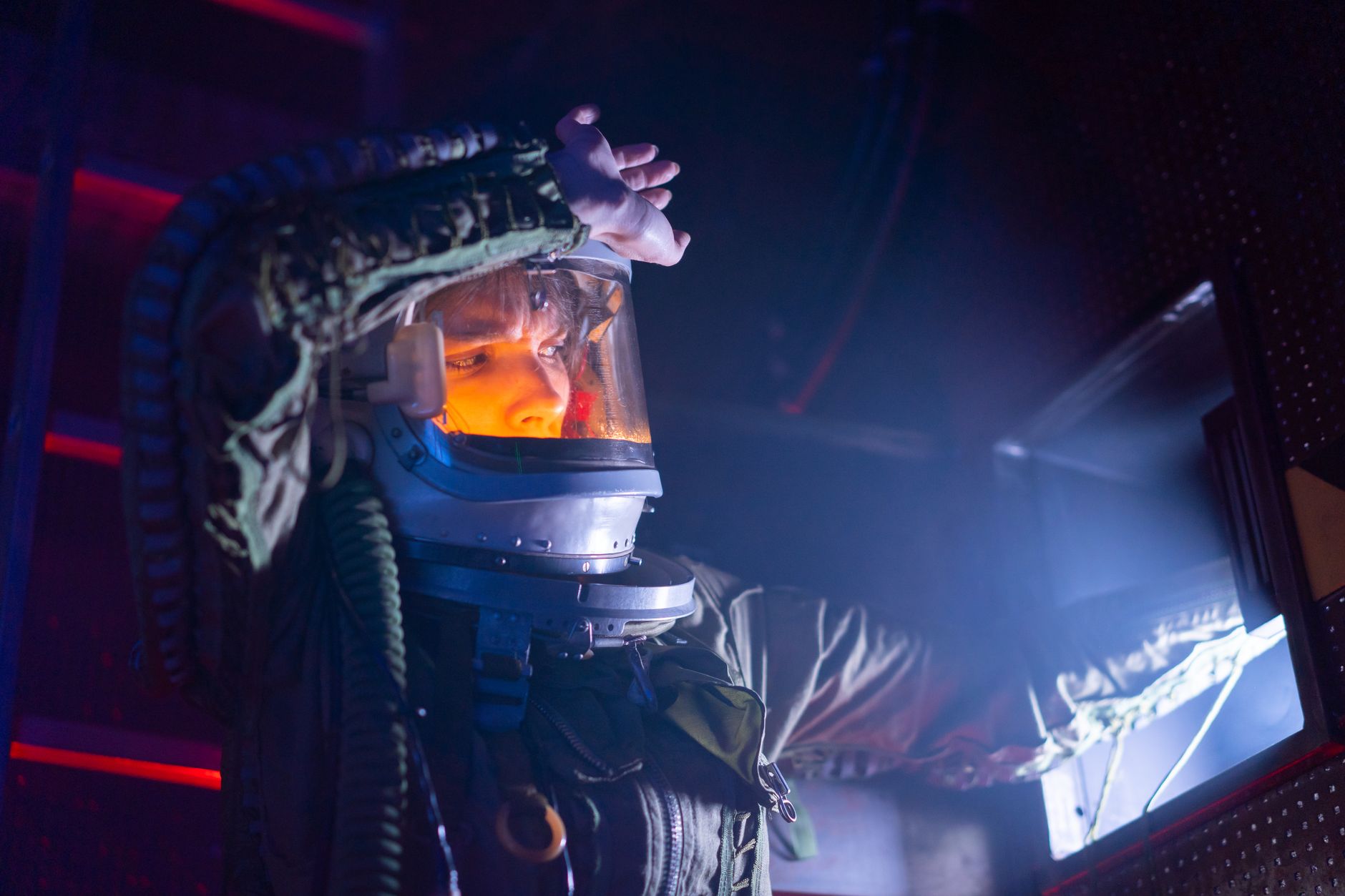
Aliens feels like a different kind of movie because it abandons the claustrophobic horror framework of Alien for a military action-adventure structure. Where Ridley Scott's 1979 Alien traps viewers in an isolated vessel with a stalking predator, James Cameron's 1986 Aliens deploys a squad of armed soldiers against a hive, shifting the emotional register from "hunted" to "outgunned but fighting back." The two films emerged from different creative visions and studio constraints. Scott directed Alien with a emphasis on design and psychological tension on a modest budget. Cameron took over the franchise after Alien's success gave the studio bigger resources and clearer commercial expectations—expectations shaped by the action boom of the 1980s.
Table of Contents
- The Genre Pivot—From Horror to War Film
- Scale and Visual Language
- Pacing and Information Flow
- Ripley's Role and Emotional Tone
- Why Viewers Experience Them Differently
- Frequently Asked Questions
The Genre Pivot—From Horror to War Film
.
- Alien* functions as a haunted-house film that happens to be set in space. The monster appears rarely, the crew is small, and death arrives without warning or mercy. The camera often withholds the creature entirely, letting shadows and sounds do the work.
- Aliens* reverses this formula. Viewers see the xenomorphs in groups and in daylight. The film spends more time showing soldiers preparing for combat, planning strategy, and executing tactics than it spends building dread. The plot hinges on reconnaissance, supply drops, and defensive positions—the language of warfare rather than the language of being hunted. This is why experienced viewers who come to Aliens expecting Alien's tone often find it jarring: they are not watching a horror film with higher stakes, but a different genre entirely.
Scale and Visual Language
.
- Alien* uses tight corridors, dim lighting, and a confined set to create visual constraint. The vessel is a maze where the crew cannot escape. The production design emphasizes organic, biomechanical surfaces—everything looks broken-in and worn, like a mining operation.
- Aliens* shoots in larger spaces: landing platforms, hive structures, atmospheric processors. The lighting is brighter and more forensic. The camera moves with more scope, pulling back to show the layout of rooms and the positions of characters. When the film wants tension, it does not rely on shadows but on clear lines of sight and the knowledge that an attack could come from anywhere in a large, exposed area. This visual language mirrors the shift in threat model: the danger in Alien is that you cannot see the threat; the danger in Aliens is that you can see it and cannot outgun it.
Pacing and Information Flow
.
- Alien* controls the viewer's knowledge tightly. Information about the monster arrives slowly. The crew is competent but wrong about what they face. Surprises compound because the film withholds the scope of the threat until it is too late to act on the information.
- Aliens* dumps information upfront: Ripley knows exactly what she is fighting. The android knows. The soldiers learn. The audience learns. Tension then derives not from mystery but from the gap between what the characters want to accomplish and whether they have the resources to do it. This is why Aliens often feels like a heist film or a tactical thriller—the drama is operational, not supernatural.
Ripley's Role and Emotional Tone
In Alien, Ripley is the sole survivor by chance and then by protocol—she follows the rules and gets out. She is not the hero; she is the last one alive. In Aliens, Ripley becomes a soldier and surrogate mother.
She is capable, decisive, and actively fights. The film invests in her psychological state and her maternal instinct. The emotional beats are about loyalty, loss, and courage under fire rather than isolation and existential horror. When Aliens asks "Can she survive?", Alien asked "What is this thing, and why can we not kill it?" The emotional vocabulary has shifted entirely.
Why Viewers Experience Them Differently
Someone watching Alien first encounters mounting dread and sees nothing they expected. Someone watching Aliens first encounters combat and camaraderie and sees a threat that is frighteningly abundant rather than frighteningly mysterious. The two films do not form a smooth progression.
They represent two completely different answers to the question "What is a good science fiction film?" Alien says: isolation, design, and the unknown. Aliens says: competence, scale, and the odds. Both are excellent films, which is precisely why they feel like they belong to different franchises.
Frequently Asked Questions
Should I watch Alien or Aliens first?
Either order works, but Alien first lets you experience Ripley's journey chronologically and preserves the mystery of what the creature actually is. Aliens first makes Alien feel smaller and older, but not worse.
Is Aliens actually scarier than Alien even though it shows more?
No. Aliens is tense and sometimes unsettling, but it is not designed to be scary. Alien is scarier if you value suspense and unknown threats. Aliens is more thrilling if you value action and competence under pressure.
Do I need to watch Alien to understand Aliens?
Aliens explains what happened in Alien in the opening minutes. You do not need prior knowledge to follow the plot, but you will understand the characters' emotional weight better if you have.