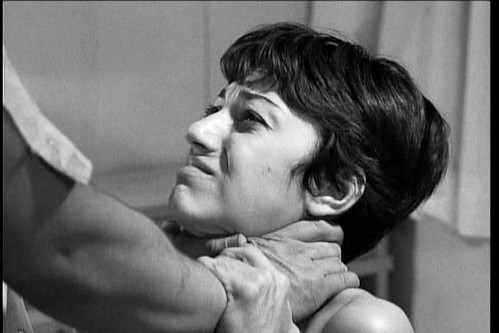
Horror endings favor ambiguity over a final jump scare because dread that stays unresolved keeps working after the movie ends. A jump scare releases tension in one jolt, while an open ending leaves the threat alive in the viewer's mind. Here ambiguity means an ending that leaves a key question unanswered: is the monster gone, was it real, will it return? A final jump scare means a sudden loud shock in the last seconds. The first asks you to keep thinking; the second asks you to flinch and then relax.
Table of Contents
- What does each ending do to the viewer?
- Why does uncertainty stick in memory?
- How do filmmakers build an open ending?
- When does a final scare work better?
What does each ending do to the viewer?
A jump scare hits the body. Sound spikes, image lunges, muscles tighten. Relief follows fast, and the feeling fades on the walk home. An ambiguous ending holds attention.
The story stops before safety feels certain. Viewers keep testing answers and picturing what happens next. The difference is control. A shock tells you when to feel fear. An open image hands that job to you.
Why does uncertainty stick in memory?
The mind finishes unfinished patterns. A half-seen shape or unclear fate invites personal fear to fill the gap. That private image often scares more than makeup or effects.
Open endings also reward talk and rewatching. Friends argue over what survived and what the last look meant. Each retelling keeps the threat active.
How do filmmakers build an open ending?
They remove proof of safety without adding new monsters. The camera lingers, sound drops, or a normal object feels wrong.
You sense danger but get no target to dismiss. These tools shift fear from the screen to the viewer. The story ends, but the question about what remains does not.
- Hold the last shot a beat too long
- Let a sound or glance suggest return
- Withhold the rescue or explanation
When does a final scare work better?
A last jolt suits playful horror built on rides and timing. It sends the crowd out laughing and buzzing. It fits when the monster is clear and defeat feels earned. It weakens stories about guilt, grief, or belief.
A loud pop cannot settle those doubts. In those films, silence unsettles more than noise. On your next watch, track your eyes in the final shot. If they search the dark corner, the ambiguity is doing its job.