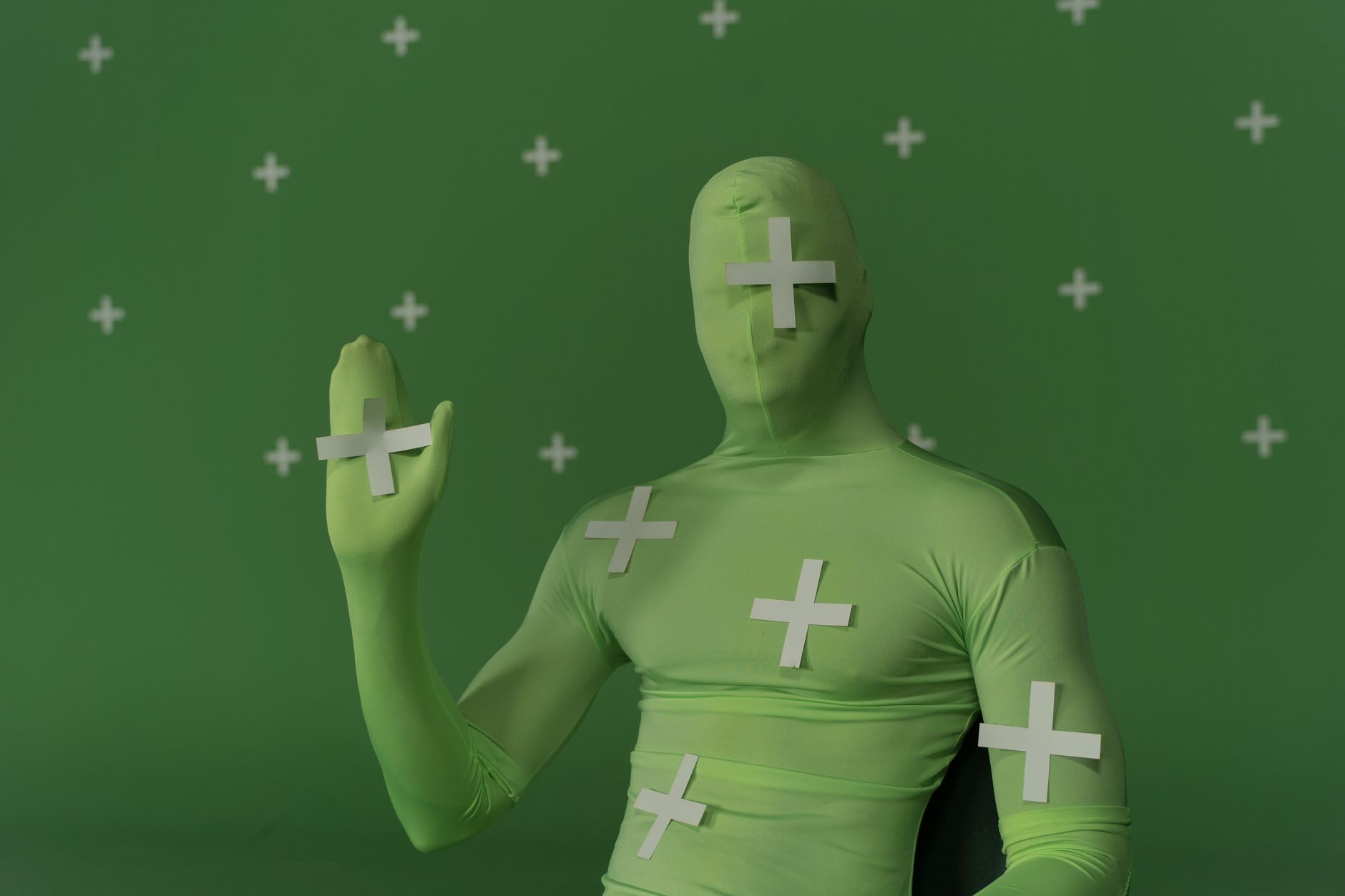
Motion capture, a system that records live movement for animation, brings film characters to life by transferring an actor's performance onto a digital model. Cameras and sensors track the body, hands, and face, and animators use that data to shape timing, weight, and expression.
That transfer matters because movement carries emotion. Once you know the process, you can judge why one creature feels alive and another feels stiff. Pay attention to timing, contact with the ground, and detail around the eyes and mouth.
Table of Contents
- How do cameras record movement?
- How does a performance become a character?
- What can viewers notice on screen?
- Where does the technique reach its limits?
How do cameras record movement?
Actors usually wear a fitted suit marked with reflective dots or patterns. Multiple cameras around the stage record those markers at once. Software compares the views and calculates the position of each joint in space. The face needs separate attention.
A lightweight head-mounted camera often records eyebrows, eyelids, lips, and cheek motion. Small marks or software tracking help link those small shifts to matching points on the digital face. Hands, props, and contact points matter too. Performers may hold simple proxy objects for swords, tools, or creature limbs. Those proxies give the hands and body something solid to push against.
How does a performance become a character?
Raw tracking data is rarely clean. Technicians remove gaps, smooth noise, and fit the motion to a digital skeleton. That skeleton acts as the inner structure for posture and joint rotation. Retargeting is key when the character is not human-shaped.
A tall creature, heavy beast, or small character needs different limb lengths and balance. Animators preserve the intent of the take while changing reach, stride, and weight. Animators then refine the result. They fix sliding feet, adjust hand contact, and strengthen eye direction. The actor supplies rhythm and choice, while the animator makes the motion sit inside the scene.
- Clean the tracked points and fill short gaps.
- Fit the motion to a human-like digital skeleton.
- Retarget the skeleton motion to the final character model.
- Adjust timing, contact, and facial passes by hand.
What can viewers notice on screen?
Start with weight and contact. Feet should meet the floor without sliding, and lifts should show effort through the back and shoulders. When contact looks firm, the character feels present in the room. Then watch the face in quiet moments. Clear thought often shows in small pauses, blinks, and breath changes.
Broad action can hide weak facial work, but close dialogue exposes it. Comparison helps. Hand-made animation can exaggerate squash, stretch, and cartoon timing. Motion capture usually looks more grounded and uneven in a human way. If a creature moves with natural hesitation and shifted balance, live performance likely guided it.
Where does the technique reach its limits?
Cameras record joint positions, not muscle, skin, or force. Stretching flesh, loose clothing, impacts, and nonhuman anatomy still need careful animation. Animal gaits, wings, tails, and many-legged walks also require extra design. Stylized characters create another boundary.
A realistic walk can feel wrong on a cartoon body with very large eyes or short limbs. Directors may then keep only the rhythm of the take and reshape poses for clarity. A practical check is to watch repeated background action. Lead characters often carry detailed performance data, while crowd figures may reuse simpler cycles. Sharp eyes, firm footing, and believable object handling mark where the strongest capture work went.