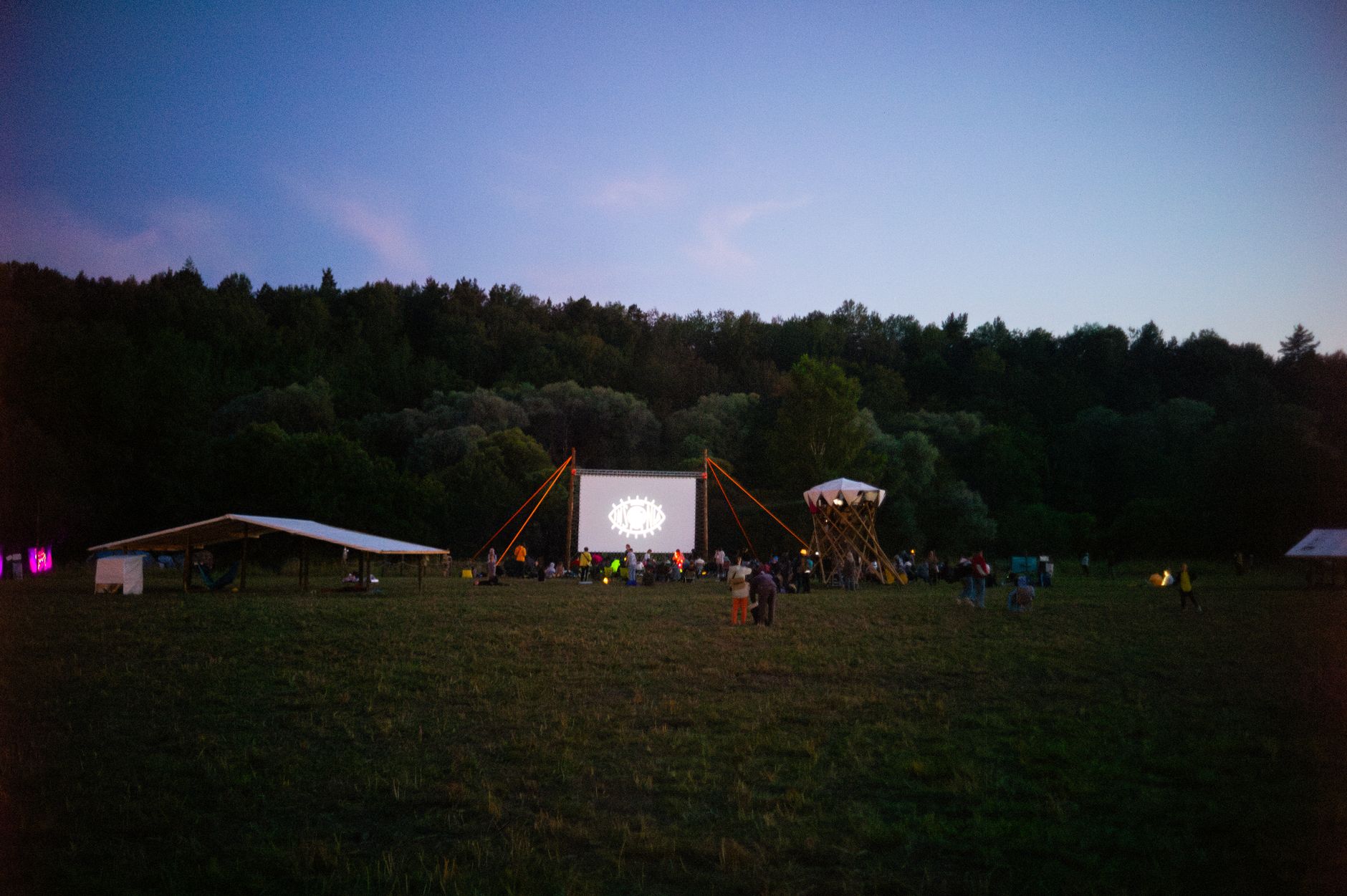
Film festivals choose documentaries through an open submission and review process led by programmers. Programmers — the festival staff members who select films — watch entries, weigh craft and originality, and build a balanced lineup. Most festivals accept entries for a fee and publish rules for length, completion status, and format. A small programming team then sorts hundreds or thousands of documentaries into a program with limited slots.
Table of Contents
- Who actually decides?
- What do programmers look for?
- How does the review process work?
- Why do strong documentaries get rejected?
- How can filmmakers improve their odds?
Who actually decides?
Programmers make the first cut and shape the shortlist. The festival director or head programmer usually makes final choices and resolves close calls. Many festivals also use screeners, who are trained viewers or volunteers.
Screeners rate early-round films and pass the strongest work to senior staff. Advisers and guest curators sometimes suggest themes or sections. They rarely overrule the core programming team on individual selections.
What do programmers look for?
Programmers look for a clear subject, strong structure, and honest storytelling. They notice camerawork, sound, editing, pacing, and access to people or places. Originality matters as much as polish.
A fresh angle, an unseen community, or a difficult investigation stands out from familiar topics. Fit matters too. Programmers ask whether the film suits the festival's audience, mission, and other selected titles. A quiet character study and a fast-paced exposé can both succeed in the right slot.
How does the review process work?
Review usually happens in rounds. Screeners watch every eligible entry, take notes, and score each film for quality and promise. Surviving films move to programmers for closer viewing and discussion.
Teams compare strengths, flag legal or content issues, and check running time and format. Final programming is an act of balance. Organizers mix topics, tones, regions, styles, and lengths so screenings stay varied across days and venues.
- Initial watch and rating by screeners
- Second viewing and debate among programmers
- Final lineup decisions by senior staff
Why do strong documentaries get rejected?
Limited slots reject many worthy films. A festival may receive far more finished, watchable documentaries than it can show. Overlap is another common reason.
If two films cover the same issue or use the same style, programmers often pick one. Practical problems also sink entries. Unfinished edits, poor sound, unclear rights to music or footage, and missed deadlines reduce a film's chance.
How can filmmakers improve their odds?
Filmmakers improve their odds by submitting a finished, technically clean cut. Clear sound, steady pacing, and accurate subtitles help reviewers stay focused. A short cover note should state the hook, access, and current status.
Keep it plain: what the film shows, why it matters now, and who made it. Choose festivals with care. Match the film's subject, length, tone, and audience to each event, and follow each festival's entry rules exactly.