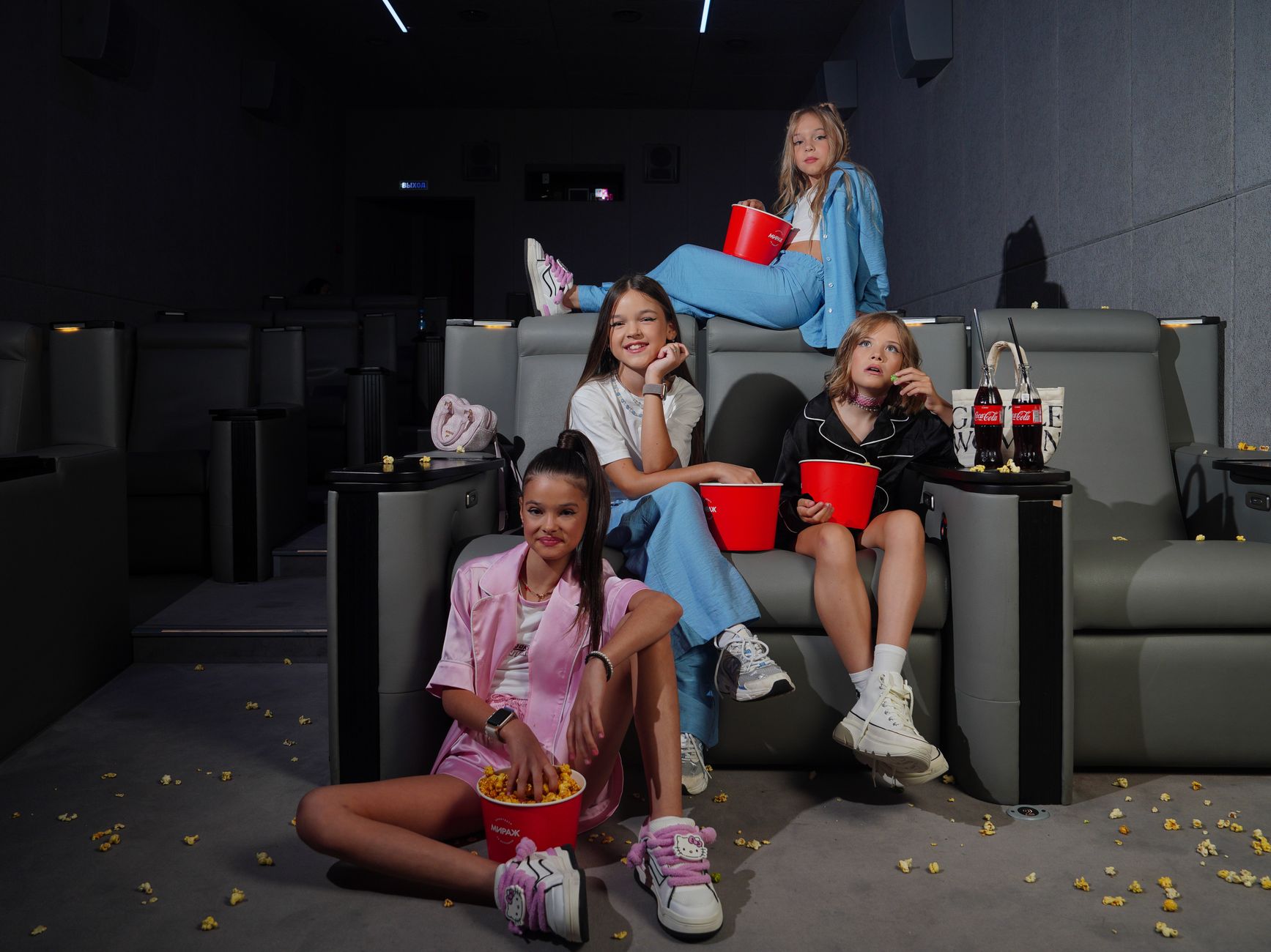
The best family movies adults will enjoy too are funny, well-written films with characters and conflicts that feel real at any age. Family film here means a movie made to be safe and clear for children that still offers wit, craft, and emotion for grown-ups. Look for strong storytelling rather than a specific genre or studio. Animation, adventure, musicals, and gentle comedies can all work when the writing respects the whole audience.
Table of Contents
- What makes a family movie watchable for adults?
- Which kinds of stories hold up best?
- How do you pick for mixed ages?
- How do you make movie night better for everyone?
- What makes a family movie watchable for adults?
- Which kinds of stories hold up best?
- How do you pick for mixed ages?
- How do you make movie night better for everyone?
What makes a family movie watchable for adults?
Good family films tell one clear story on two levels. Children follow the action and humor, while adults catch wordplay, moral trade-offs, and nods to adult life like work, parenting, or grief. Craft matters more than budget.
Expressive animation, careful pacing, memorable dialogue, and committed voice or live acting keep attention during repeat viewings. Stories with real stakes also help. When characters face loss, make mistakes, and change, adults stay invested instead of waiting for the ending.
Which kinds of stories hold up best?
Clever animated comedies often age well because jokes come from character, not trends. Films built around friendship, family loyalty, or learning courage give adults something to recognize from their own lives. Adventures and mysteries work when the world has rules and the danger feels earned.
A quest, a heist, a contest, or a journey home gives structure that children can track and adults can enjoy for its problem-solving. Musicals and films with strong songs can bridge ages too. Music carries feeling for young viewers, while lyrics and performances give adults texture on a second watch.
How do you pick for mixed ages?
Match the film to the youngest viewer first, then check the adult appeal. Tone, length, scary scenes, and reading load matter more than age labels.
A short test helps: watch the first fifteen minutes together. If the characters, humor, and pace please both sides, the rest usually follows.
- Choose runtimes near 90 minutes for preschoolers and early grade-school children.
- Preview for loud chases, villains, loss, or teasing that may upset sensitive viewers.
- Pick clear speech and songs when young readers cannot follow subtitles.
- Look for humor that comes from kindness or cleverness rather than meanness.
- Keep one backup choice in case the mood calls for something lighter.
How do you make movie night better for everyone?
Set up viewing so adults can enjoy the film rather than manage it. Dim lights, lower volume spikes, pause for questions, and keep snacks ready before the start. Talk after, not during, unless a child is confused or uneasy. Ask what choice a character faced, what was fair, or what they would have done. Two or three questions keep discussion lively without turning it into a lesson.
Rotate picks among family members. Adults stay engaged longer when they sometimes choose, and children learn to try stories outside their usual favorites. End the night by naming one scene each person wants to remember.INTRODUCTION: The best family movies adults will enjoy too are funny, well-written films with characters and conflicts that feel real at any age. Family film here means a movie made to be safe and clear for children that still offers wit, craft, and emotion for grown-ups. Look for strong storytelling rather than a specific genre or studio. Animation, adventure, musicals, and gentle comedies can all work when the writing respects the whole audience.
What makes a family movie watchable for adults?
Good family films tell one clear story on two levels. Children follow the action and humor, while adults catch wordplay, moral trade-offs, and nods to adult life like work, parenting, or grief. Craft matters more than budget.
Expressive animation, careful pacing, memorable dialogue, and committed voice or live acting keep attention during repeat viewings. Stories with real stakes also help. When characters face loss, make mistakes, and change, adults stay invested instead of waiting for the ending.
Which kinds of stories hold up best?
Clever animated comedies often age well because jokes come from character, not trends. Films built around friendship, family loyalty, or learning courage give adults something to recognize from their own lives. Adventures and mysteries work when the world has rules and the danger feels earned.
A quest, a heist, a contest, or a journey home gives structure that children can track and adults can enjoy for its problem-solving. Musicals and films with strong songs can bridge ages too. Music carries feeling for young viewers, while lyrics and performances give adults texture on a second watch.
How do you pick for mixed ages?
Match the film to the youngest viewer first, then check the adult appeal. Tone, length, scary scenes, and reading load matter more than age labels.
A short test helps: watch the first fifteen minutes together. If the characters, humor, and pace please both sides, the rest usually follows.
- Choose runtimes near 90 minutes for preschoolers and early grade-school children.
- Preview for loud chases, villains, loss, or teasing that may upset sensitive viewers.
- Pick clear speech and songs when young readers cannot follow subtitles.
- Look for humor that comes from kindness or cleverness rather than meanness.
- Keep one backup choice in case the mood calls for something lighter.
How do you make movie night better for everyone?
Set up viewing so adults can enjoy the film rather than manage it. Dim lights, lower volume spikes, pause for questions, and keep snacks ready before the start. Talk after, not during, unless a child is confused or uneasy. Ask what choice a character faced, what was fair, or what they would have done.
Two or three questions keep discussion lively without turning it into a lesson. Rotate picks among family members. Adults stay engaged longer when they sometimes choose, and children learn to try stories outside their usual favorites. End the night by naming one scene each person wants to remember.