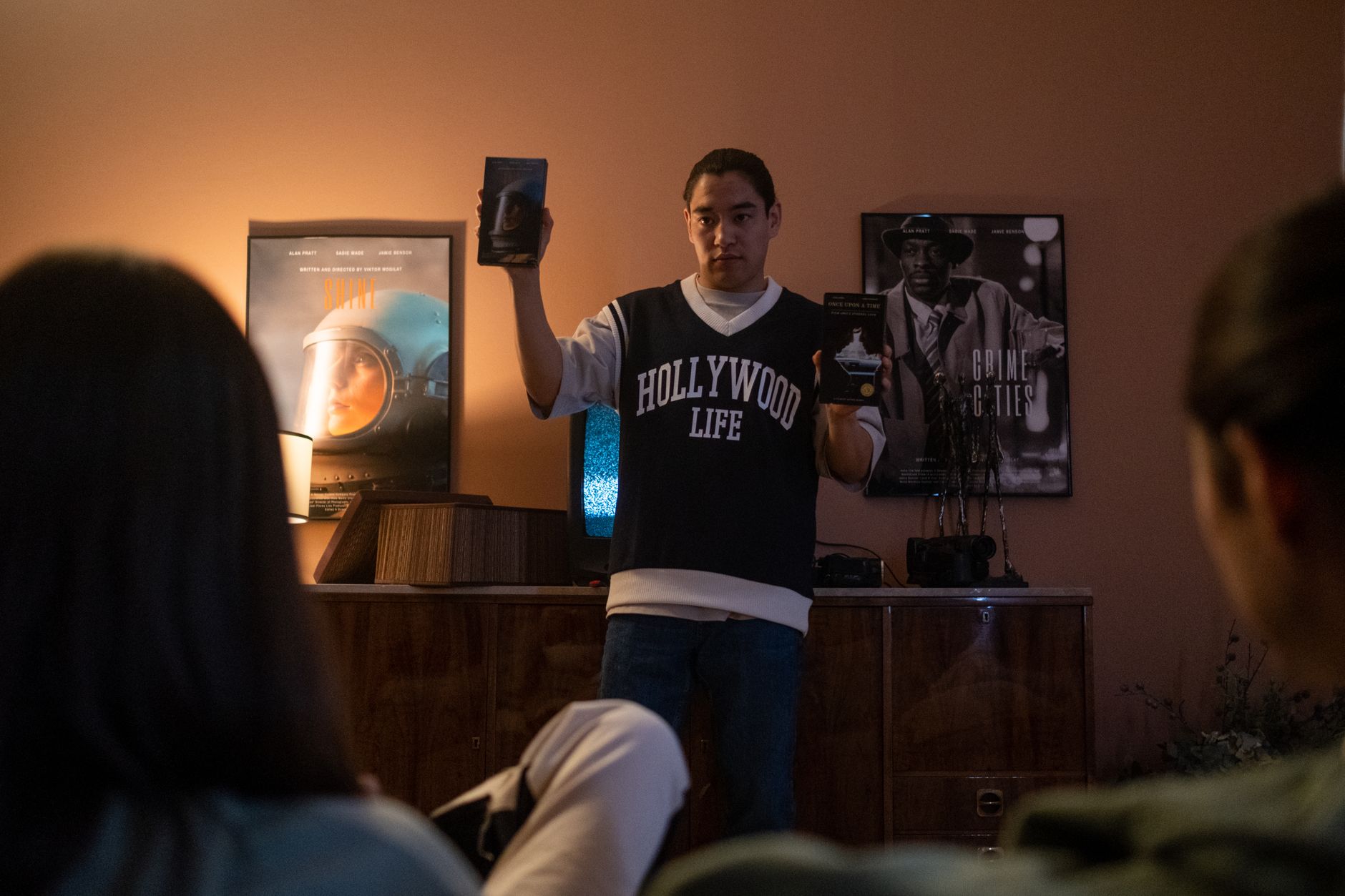
A book adaptation movie is a film based on a published book, told through acting, images, and sound instead of prose. It fits readers and viewers who like strong stories, developed characters, and familiar books brought to visual life. These films range from faithful retellings to loose reinterpretations. Knowing the intended audience, mood, and similar titles helps you pick one that matches your taste.
Table of Contents
- Who is the core audience?
- What mood do these films create?
- Which similar films should you try next?
- How to choose the right adaptation for tonight?
- Frequently Asked Questions
Who is the core audience?
Book adaptations appeal first to readers who already love the source material. They enjoy spotting kept scenes, changed endings, and casting choices. For them, comparison is part of the fun. They also appeal to viewers who rarely read the book.
Clear stakes, vivid settings, and character growth carry the story on their own. A good adaptation explains its world without assuming prior knowledge. Families, drama fans, fantasy fans, and mystery fans all find options in this category. The key divide is expectation: readers often want fidelity, while new viewers want clarity and pace.
What mood do these films create?
Mood depends on the source genre more than on the fact of adaptation. Literary dramas tend toward reflective, intimate, and slow-building emotion. Fantasies and adventures lean toward wonder, tension, and large-scale conflict. Many adaptations carry a nostalgic or thoughtful tone.
Period costumes, letters, voiceover, and detailed settings can make the past feel present. That texture rewards patient watching. Pacing can feel denser than original screenplays. Subplots, minor characters, and inner thoughts must be compressed into two hours.
- Pick faithful dramas when you want character and atmosphere.
- Pick action-led adaptations when you want momentum and spectacle.
- Save complex literary films for focused viewing, not background watching.
Which similar films should you try next?
If you like prestige literary drama, try other character-led adaptations centered on family, class, or moral choice. They share careful dialogue, strong performances, and a sense of place. One thoughtful drama often leads naturally to another. If you like fantasy and adventure books on screen, stay within world-building films.
Quests, schools of magic, dystopian struggles, and mythic journeys use similar structures. Enjoyment comes from rules, loyalty, and transformation. If you like crime and thriller adaptations, follow authors or detectives rather than single titles. Recurring investigators, small towns with secrets, and courtroom conflicts offer steady variety. Tone stays tense even when plots change.
How to choose the right adaptation for tonight?
Start with your tolerance for change. Strict adaptations preserve plot and dialogue but may feel crowded. Loose adaptations keep the idea and mood while telling a smoother film story. Check length, rating, and genre before you commit. Long historical dramas suit quiet evenings.
Shorter mysteries and young-adult adventures suit casual viewing. Match intensity to your energy. Read a brief spoiler-free synopsis, not the book summary. Ask whether you want comfort, excitement, or challenge. Choose the film whose central relationship or question interests you most.
Frequently Asked Questions
Do I need to read the book first?
No. A strong adaptation introduces its characters and rules clearly, so new viewers can follow without prior reading.
Why do films change the book?
Film has less time and relies on visible action. Writers combine characters, shorten subplots, and show thoughts through behavior and dialogue.
Are adaptations better for drama or action fans?
Both. Dramas offer depth and performance, while fantasy, mystery, and adventure adaptations offer suspense, world-building, and pace.