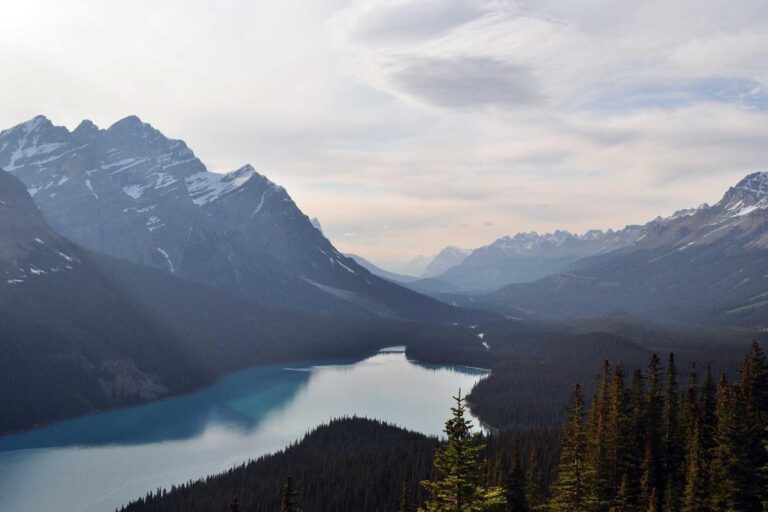
The opening sequence of *The Big Country* (1958) establishes the film’s central conflict not through dialogue or character interaction, but through pure visual storytelling and one of cinema’s most distinctive orchestral scores. Within the first minutes, audiences witness an endless expanse of desert and canyon landscape that dwarfs human figures, immediately conveying the film’s central theme: the struggle between individual ambition and the vastness of nature itself. The sequence opens with sweeping aerial shots across Arizona’s Monument Valley, accompanied by Jerome Moross’s thunderous orchestral arrangement, which follows a lone stagecoach traveling across a barren landscape to introduce both the setting and the central character, James McKay.
Director William Wyler chose to forgo traditional narrative exposition, instead using landscape and music to communicate everything necessary about the story’s stakes. The opening credits roll over these panoramic vistas, with no dialogue until several minutes into the film, making it unusual even by 1950s Western standards. This decision proved influential, establishing a template for how major studio Westerns could convey scope and gravity through environmental storytelling rather than exposition.
Table of Contents
- How Does the Visual Landscape Function as Story Architecture in the Opening?
- The Cinematographic Techniques Behind the Desert Vistas
- Jerome Moross’s Score as Emotional and Narrative Architecture
- How the Opening Contrasts with the Narrative Momentum That Follows
- The Limitations and Risks of Prioritizing Spectacle Over Immediate Narrative Engagement
- The Historical Context of Western Spectacle in 1950s Cinema
- The Opening’s Influence on Subsequent Western and Adventure Film Grammar
How Does the Visual Landscape Function as Story Architecture in the Opening?
The opening sequence presents landscape not as mere backdrop but as an active antagonist to human ambition. The stagecoach travels for what feels like an interminable time, shot from multiple angles to emphasize its insignificance against canyon walls and desert plateaus. This compositional choice immediately tells audiences that this story concerns itself with how people behave when stripped of the security of civilization and confronted with overwhelming natural forces.
The landscape’s scale becomes a visual metaphor for the film’s thematic exploration of whether civilized values can survive in an untamed frontier. Wyler’s use of Monument Valley’s geological formations serves a specific narrative function: the canyons and rock formations create natural divisions and barriers that will later become crucial to the plot’s conflicts and resolutions. By familiarizing viewers with the terrain during the opening, Wyler ensures that later chase sequences and standoffs resonate with genuine spatial logic rather than feeling arbitrarily constructed. The audience develops an intuitive understanding of the landscape’s geography before any dramatic scenes unfold within it.
The Cinematographic Techniques Behind the Desert Vistas
The opening sequence employs VistaVision, a widescreen format that became standard for major productions of the era, and the choice proves essential to the sequence’s power. The aspect ratio stretches horizontally across theater screens in a way that standard 4:3 framing could never achieve, making the landscape feel genuinely immense and emphasizing the visual proportions Wyler intended. without VistaVision’s expansive canvas, the opening’s carefully composed shots would lose much of their psychological impact on viewers.
A limitation worth noting: the reliance on location shooting in Monument Valley created significant production challenges that affected scheduling and costs. The remote Arizona setting required moving cast, crew, and equipment to an isolated area without permanent infrastructure, which meant the production could only shoot during specific seasonal windows when weather conditions were favorable. Additionally, the stagecoach scenes required careful coordination with multiple horses and vehicles across uneven terrain, which limited the number of takes Wyler could feasibly attempt for each shot.
Jerome Moross’s Score as Emotional and Narrative Architecture
Jerome Moross’s orchestral theme operates as a second narrative voice during the opening sequence, with the music’s progression tracking the emotional journey that visuals alone cannot fully convey. The famous main theme begins with bold, almost aggressive brass fanfares that announce the film’s scope and stakes, then transitions into a more lyrical, exploratory section that accompanies the stagecoach’s journey. This musical architecture tells an internal story of arrival and discovery that complements the visual storytelling without duplicating it.
The orchestral arrangement incorporates authentic Western elements—including harmonica and folk-influenced melodic lines—while maintaining a sophisticated classical structure that elevates the material beyond typical Western film scoring. The music’s scale matches the landscape’s scale; Moross avoids intimate or chamber instrumentation, instead employing a full orchestra to create a sonic environment as immense as the visual one. This parallel between visual and sonic vastness ensures that the opening makes a complete sensory impression on audiences, engaging both eye and ear in reinforcing the film’s central preoccupations.
How the Opening Contrasts with the Narrative Momentum That Follows
The opening sequence deliberately decelerates audience expectations through its extended focus on landscape and music rather than plot development. This creates a productive tension when the narrative shifts into character conflict and social drama, as viewers experience the protagonist’s transition from admiring natural vastness to becoming entangled in petty interpersonal disputes. The contrast emphasizes a central irony of the film: humans bring their conflicts and prejudices even to places where such concerns seem insignificant against natural grandeur.
The pacing choice also establishes a visual rhythm that Wyler manipulates throughout the film, using wide landscape shots to punctuate moments of dramatic intensity. By training audiences during the opening to associate sweeping vistas with contemplation rather than action, Wyler gains the ability to use landscape shots later in the film to shift emotional register or provide thematic commentary. When a character encounters the landscape after an emotional confrontation, audiences have been conditioned to read that landscape as offering perspective on human drama rather than simply serving as geographic setting.
The Limitations and Risks of Prioritizing Spectacle Over Immediate Narrative Engagement
One risk of the opening’s extended landscape focus involves audience retention; viewers accustomed to more immediate narrative engagement may find the first several minutes slow or even tedious. The Academy and critics of 1958 were sufficiently invested in cinematic grandeur to appreciate Wyler’s choice, but contemporary audiences or viewers encountering the film for the first time without historical context might interpret the extended landscape shots as padding rather than essential storytelling. This represents a genuine tonal gamble that depends entirely on viewer receptiveness to slow-burn pacing and abstract visual communication.
Additionally, the opening’s emphasis on Monument Valley’s specific geological formations creates a risk of visual redundancy if the landscape becomes too familiar through repeated shots. Wyler mitigates this through compositional variety—shooting the same formations from different angles, at different times of day, with different camera movements—but the inherent challenge remains that any extended sequence relying on a single location must continuously find fresh visual approaches to maintain engagement. The technical sophistication required to make such a sequence work exceeds what many production teams could feasibly execute.
The Historical Context of Western Spectacle in 1950s Cinema
The 1950s marked a transitional moment in Hollywood Westerns, where filmmakers increasingly leveraged new widescreen technologies and location shooting to differentiate their work from decades of studio-bound productions. *The Big Country* arrived after productions like *Shane* (1953) and *The Searchers* (1956) had demonstrated audience appetite for visually ambitious Westerns, but Wyler’s opening remains distinctive in its commitment to pure landscape spectacle without any narrative justification for the extended duration. The opening proves Wyler’s confidence in his directorial vision and in the format’s ability to sustain audience attention through visual means alone.
The Opening’s Influence on Subsequent Western and Adventure Film Grammar
The success of *The Big Country’s* opening established a template that subsequent filmmakers adopted and adapted, particularly for films attempting to communicate geographical scope and historical weight through visual rather than expository means. Sergio Leone’s spaghetti Westerns of the 1960s employed similar strategies of extended landscape shots and distinctive musical scoring to establish atmosphere and stakes.
Even contemporary films in various genres—not merely Westerns—continue to employ variations of the strategy Wyler pioneered: using location cinematography and orchestral scoring to communicate themes and establish emotional register before characters speak or plot develops. The opening’s technical and narrative achievements demonstrate that spectacle need not be divorced from thematic rigor; the landscape shots communicate genuine ideas about human ambition, natural forces, and the frontier’s psychological impact on individuals and communities. This integration of visual grandeur with intellectual content influenced how subsequent generations of filmmakers approached adaptation and genre material, establishing that entertaining audiences and challenging them intellectually need not be contradictory goals.
- —