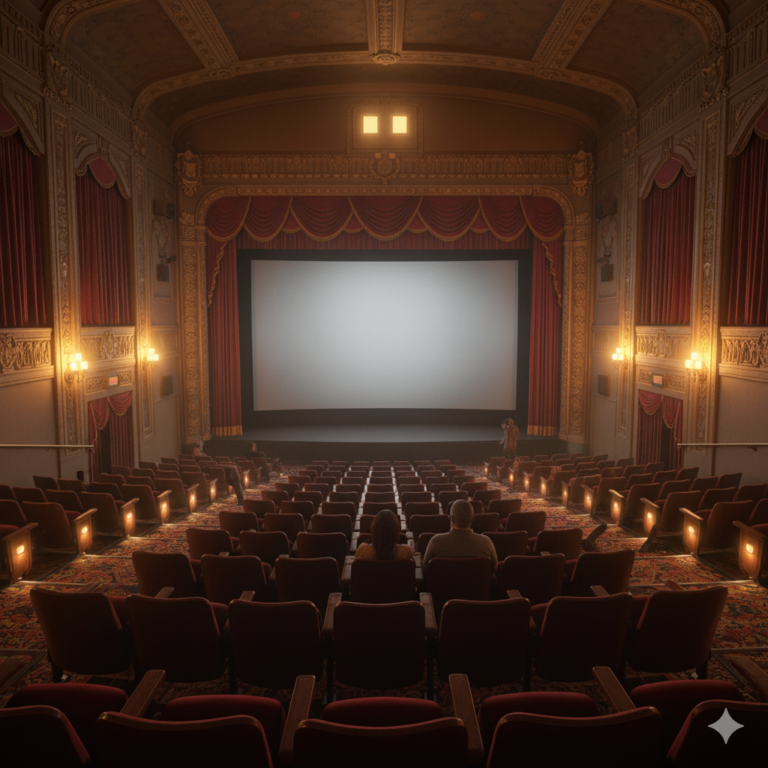
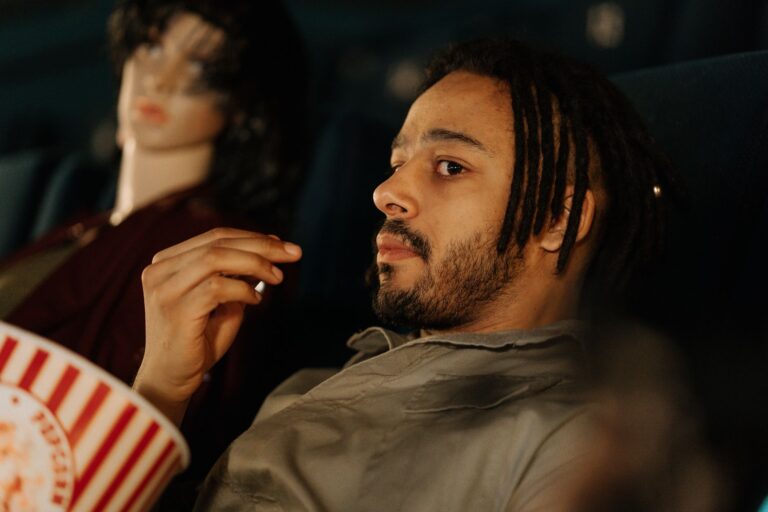
When movies and theater dominate a weekend entertainment calendar, it means film festivals, stage performances, and special screenings are competing for the same two or three days of your free time. For film fans, that crowding is both a gift and a scheduling problem: the best offerings often overlap, sell out early, or run in venues across town from each other. This guide explains how these stacked weekends work, why festivals and theaters cluster their programming, and how to choose among competing screenings and performances without wasting money or missing the events that matter most to you.
Table of Contents
- Why do festivals and performances pile up on the same weekends?
- How film festivals differ from regular moviegoing
- Choosing between a screening and a live performance
- Budgeting a crowded weekend without overspending
- Logistics that decide whether the plan actually works
- Frequently Asked Questions
Why do festivals and performances pile up on the same weekends?
Festivals and theaters chase the same audience windows. Friday through Sunday delivers the largest share of ticket buyers, so programmers concentrate premieres, opening nights, and marquee screenings there rather than spreading them across the week. Seasonal rhythms sharpen the effect. Spring and fall are peak festival seasons in most regions because weather is reliable and school calendars keep families in town.
Theater companies also open new productions on weekends to maximize press coverage and word of mouth from full houses. Venue economics play a role too. Independent cinemas and performing arts centers rent more cheaply midweek, but audiences don't show up then. So a city can go quiet Tuesday through Thursday and then offer more events on Saturday night than anyone could attend.
How film festivals differ from regular moviegoing
A film festival is a curated, time-limited program of screenings, often with filmmakers present for questions afterward. Unlike a regular theatrical run, most festival titles screen once or twice, and many never receive wide distribution. If you skip a festival screening, you may not get another local chance to see that film. Festival tickets also work differently.
Many festivals sell passes (access to multiple screenings) alongside single tickets, and passholders often get priority entry. Popular screenings can "sell out" while still admitting a standby line, because passholders who don't show up free seats at showtime. The practical upshot: treat festival screenings as scarce and theatrical releases as abundant. A studio film opening this weekend will still be playing next weekend. The documentary with the director in attendance probably will not.
Choosing between a screening and a live performance
When a film and a stage production conflict, scarcity should usually decide. Live theater runs are limited but typically last several weekends; a one-off festival screening with a filmmaker Q&A is often the least repeatable option on the calendar.
A few questions help sort the conflict quickly: If two events genuinely tie, pick the one with the harder door. You can often slip into a second-choice screening late or catch a standby seat; you cannot do that at most live performances.
- Will this exact event happen again — same film, same guests, same venue?
- Is the alternative available later through streaming, a second run, or an extended engagement?
- How firm is the start time? Theater holds curtain and rarely seats latecomers; festival screenings often run behind schedule.
- What does cancellation cost? Theater tickets are usually nonrefundable; some festivals allow exchanges for passholders.
Budgeting a crowded weekend without overspending
Stacked weekends invite overbuying. A common mistake is purchasing a festival pass, individual theater tickets, and regular movie tickets for the same two days, then physically being unable to use them all. Count your realistic slots first: most people can comfortably attend two events per day, three if venues are close together. Passes only pay off with volume.
If a festival pass costs the equivalent of five single tickets and you can realistically attend three screenings, single tickets are the better buy. Passes make sense when you plan a full day at one venue or want priority access to likely sellouts. Watch for the cheaper edges of the schedule. Weekend matinees, student rush tickets at theaters, and first-day festival screenings (before word of mouth builds) are often both cheaper and easier to get into than Saturday-night slots.
Logistics that decide whether the plan actually works
Travel time between venues kills more ambitious weekend plans than ticket prices do. Before buying, map the distance between your chosen venues and add a buffer: festival screenings frequently start late and run long once a Q&A is added, which can be 20 to 30 extra minutes. Check each venue's late-seating policy in advance.
Most theaters bar entry after curtain until a suitable break, and some festival venues release held seats a few minutes before showtime. Arriving 15 minutes early is the safe default for both. Finally, build in one deliberate gap. A weekend with an empty slot absorbs a delayed screening, a long standby line, or a spontaneous recommendation from another attendee — which is often how people find the best film of the festival.
Frequently Asked Questions
Should I buy a festival pass or single tickets?
Count the screenings you can realistically attend. If the pass costs more than that many single tickets, buy singles — unless you need priority entry to likely sellouts.
What happens if a festival screening is sold out?
Many festivals run a standby line and release unclaimed passholder seats at showtime. Arriving 30 to 45 minutes early gives you a real chance at entry.
Do festival films come to streaming later?
Some do, after acquiring distribution, but many smaller films never get released widely. Assume a one-time screening is your only local chance unless a distributor is already attached.