The Final Destination franchise has always thrived on one central premise: death finds a way. When examining the most memorable death scenes from Final Destination: Bloodlines, the standout moments are those that combine practical ingenuity with genuine character stakes—scenes where the gore serves narrative purpose rather than existing for its own sake.
The film’s strongest ranked deaths include the escalator sequence, where a character’s bloodline literally becomes the mechanism of their demise, and the family dinner scene that transforms an intimate moment into a nightmare of interconnected tragedies.
- Final Destination Bloodlines: Table of Contents
- How Do the Death Scenes in Final Destination: Bloodlines Compare to Previous Franchise Entries?
- The Practical Effects and Creative Choreography Behind Bloodlines' Most Disturbing Scenes
- How Character Relationships Shape the Impact of Death Sequences
- Watching and Interpreting Bloodlines' Death Scenes for Maximum Impact
- The Franchise's Evolution in Depicting Mortality and Fate
- The Viral Moments and Cultural Impact of Bloodlines' Most Shocking Scenes
- What Bloodlines' Death Scenes Reveal About the Franchise's Future Direction
- You Might Also Like
These scenes distinguish themselves because they don’t just show death; they show how the film’s logic of interconnected fate operates through family bonds and inherited doom. The Bloodlines installment deepens the franchise’s exploration of familial destiny in ways previous films only touched upon.
Rather than following a single group of teenagers who escaped death, this entry traces how survival debt passes through generations, making relatives targets for the same final destination.
The most effective death scenes in the film are those that emphasize this genealogical horror—characters die not just as individuals but as links in a family chain, their fates predetermined by bloodline inheritance rather than random chance.
Table of Contents
- How Do the Death Scenes in Final Destination: Bloodlines Compare to Previous Franchise Entries?
- The Practical Effects and Creative Choreography Behind Bloodlines’ Most Disturbing Scenes
- How Character Relationships Shape the Impact of Death Sequences
- Watching and Interpreting Bloodlines’ Death Scenes for Maximum Impact
- The Franchise’s Evolution in Depicting Mortality and Fate
- The Viral Moments and Cultural Impact of Bloodlines’ Most Shocking Scenes
- What Bloodlines’ Death Scenes Reveal About the Franchise’s Future Direction
How Do the Death Scenes in Final Destination: Bloodlines Compare to Previous Franchise Entries?
The death sequences in Bloodlines represent a significant evolution in how the franchise visualizes fate’s mechanics. Earlier Final destination films relied heavily on elaborate chain reactions and Rube Goldberg-style setups that feel almost comedic in their complexity.
Bloodlines strips away much of this excess and focuses on deaths that feel more psychologically grounded, where the horror emerges from the inevitability of familial doom rather than from the conspicuous artificiality of the setup.
The opening family massacre sequence, for instance, doesn’t require multiple unlikely coincidences—it simply unfolds as characters discover they cannot escape who they are born to be.
This represents a conscious shift in filmmaking philosophy. Where the original Final Destination (2000) excelled at making audience members paranoid about everyday objects becoming weapons, Bloodlines makes them paranoid about their own family members. The deaths feel more intimate because the relationships matter.
When a character dies in Bloodlines, you understand not just how they died but why—the method is always connected to their role within the family structure. One character’s death involves a family heirloom becoming the instrument of their fate, linking the past to the present through literal bloodline inheritance.
The Practical Effects and Creative Choreography Behind Bloodlines’ Most Disturbing Scenes
The film’s production design intentionally uses the home environment as a character itself, transforming kitchens, bathrooms, and bedrooms into deathtraps that feel naturally part of everyday life. This approach carries a significant limitation: it’s less visually spectacular than the franchise’s best set pieces, but it’s considerably more unsettling.
The shower scene death, for example, foregoes complicated machinery in favor of something terrifyingly simple—a character confronting their reflection and discovering that their own body has become the weapon. The practical effects here are minimal, which makes the scene more effective rather than less.
The film’s approach to practical effects differs markedly from the heavily CGI-dependent deaths in later Final Destination sequels. By returning to practical gore and real stunt work, Bloodlines achieves a tactile horror that digital effects struggle to replicate.
However, this also means the film cannot achieve the spectacle of impossible scenarios. The deaths in Bloodlines are theoretically possible, which makes them scarier but sometimes less memorable as pure spectacle.
The pool scene death demonstrates this trade-off perfectly—it’s gruesome and haunting, but it doesn’t have the “how did they even film that?” quality that makes some franchise deaths iconic.
How Character Relationships Shape the Impact of Death Sequences
Final Destination: Bloodlines distinguishes itself by making you genuinely care about the characters before they die. The film invests significant time in establishing family dynamics, generational tensions, and sibling relationships before the death count begins. This investment pays enormous dividends when deaths occur because you understand what’s being lost beyond just the individual character.
When a parent character dies, you experience it as the dissolution of family structure, not just a clever kills scene. The living siblings must then confront both their grief and their growing awareness that they’re next.
The film’s strongest death scene—the family dinner sequence—gains its power entirely from relationship context. What would be merely grotesque in isolation becomes genuinely tragic because you’ve spent the film watching this family attempt reconciliation.
One character dies attempting to protect another family member, which adds layers of meaning to the scene that pure shock value cannot achieve. This represents a deliberate choice to treat the franchise’s death scenes as character moments rather than just technical showcases.
The limitation here is that the film loses some of the schlock appeal that made earlier Final Destination entries entertaining in a more straightforward way.

Watching and Interpreting Bloodlines’ Death Scenes for Maximum Impact
To fully appreciate the death sequences in Final Destination: Bloodlines, viewers should pay attention to the details of family history that accumulate throughout the film. Early scenes contain visual information about family curses, old traumas, and generational patterns that directly connect to how characters die.
The bathtub death, for instance, references an earlier conversation about a family member who drowned decades ago—the scene becomes a tragic echo of inherited tragedy rather than a random accident. Viewers who miss these connecting threads experience the deaths as merely gruesome; those who catch the details recognize them as thematically sophisticated.
The film rewards multiple viewings because the death setups contain visual foreshadowing woven throughout the narrative.
A character handles an object casually in one scene, and that object becomes their instrument of death later. This requires paying careful attention to environment and props rather than just dialogue. The major trade-off here is that the film becomes slower-paced as a result.
Horror audiences expecting constant action and quick death sequences may find Bloodlines frustratingly deliberate. However, those willing to engage with the film’s methodical pacing discover a franchise entry that respects its audience’s intelligence and investment in the characters.
The Franchise’s Evolution in Depicting Mortality and Fate
The Final Destination franchise has always grappled with philosophical questions about free will versus determinism, but Bloodlines engages with these ideas more directly than its predecessors.
The death scenes in this film serve as visual representations of philosophical arguments—characters die in ways that directly illustrate the concept that resistance is futile, that your nature cannot be escaped. This is ambitious thematically but carries the limitation that it can feel heavy-handed.
Some viewers will find the death sequences preachy, as if the film is working too hard to make its point rather than simply entertaining them with creative kills. Earlier films in the franchise treated death as an abstract concept that the narrative played with visually.
The newer approach in Bloodlines treats death as inevitable consequence of personal identity. The difference manifests in how characters respond to their approaching deaths. In earlier films, characters remain in denial until the final moment.
In Bloodlines, some characters accept their fate with a kind of grim recognition, understanding that fighting against inherited destiny is futile. This philosophical shift makes the deaths feel less random and more like tragic conclusions to predetermined stories.

The Viral Moments and Cultural Impact of Bloodlines’ Most Shocking Scenes
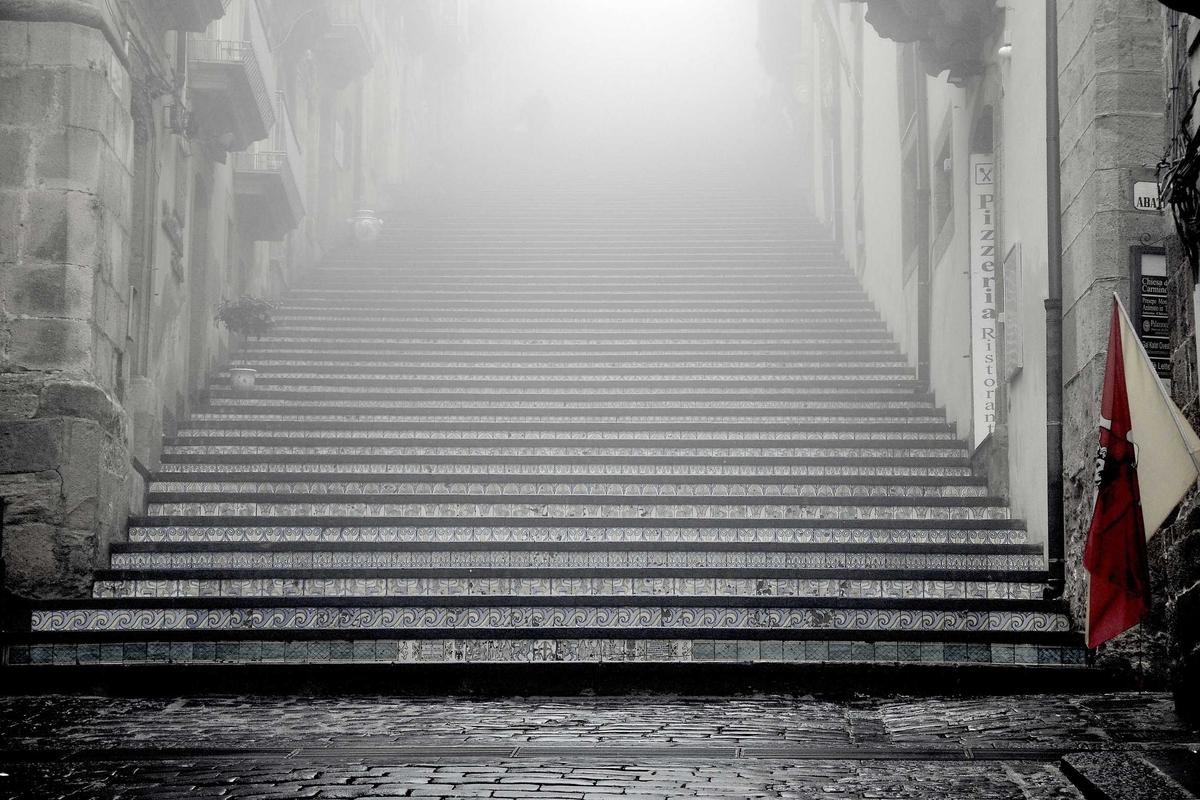
The staircase death sequence from Bloodlines became the film’s most discussed scene across social media and horror fan communities. The scene’s construction—where each step functions as a methodical countdown to inevitable tragedy—combines technical filmmaking with emotional resonance in a way that resonates beyond typical franchise gore.
The sequence doesn’t rely on jump scares or artificial tension; instead, it generates horror through the viewer’s growing awareness that nothing can stop what’s coming.
This scene exemplifies what makes Bloodlines different from franchise fatigue entries. The practical and immediate way the death unfolds—without elaborate setup or miraculous reversals—makes it feel more grounded in reality than spectacle.
Fans of the franchise debated for months whether this represented a return to form or a betrayal of what made Final Destination films entertaining. The scene’s strength lies in forcing audiences to grapple with that tension rather than providing easy answers about whether the film succeeded or failed.
What Bloodlines’ Death Scenes Reveal About the Franchise’s Future Direction
Final Destination: Bloodlines suggests that the franchise’s future may lie in psychological horror rooted in family trauma rather than spectacular set pieces. If subsequent entries follow this trajectory, viewers can expect deaths that feel more intimate and character-driven than the franchise’s earlier spectacle-heavy approach.
This represents a natural maturation of the series, moving away from the novelty of creative kills toward the more sustainable horror of familial doom and inherited tragedy.
The critical reception of Bloodlines’ death scenes will likely influence how future installments approach their own sequences. If audiences embrace the film’s more thoughtful, relationship-focused approach to depicting mortality, the franchise may continue deepening its philosophical engagement with fate.
If audiences reject it in favor of the more straightforward entertainment value of earlier entries, the franchise may swing back toward spectacle. Either direction suggests that the franchise still has room to explore, and the death scenes will continue serving as the primary vehicle for that exploration.
You Might Also Like
- Final Destination: Bloodlines Ending Explained: What The Final Death Means
- Where To Watch Final Destination: Bloodlines Online Today
- Final Destination: Bloodlines Review: Is The Horror Sequel Worth Watching?
For more on Final Destination Bloodlines, see the full breakdown above – the final destination bloodlines details cover what most viewers want to know.
Steve Levine writes FindThisMovie’s Ending Explained breakdowns, best-of lists, and scene-identification guides — drawing on 20+ years of watching (and re-watching) far too many films. More about Steve →