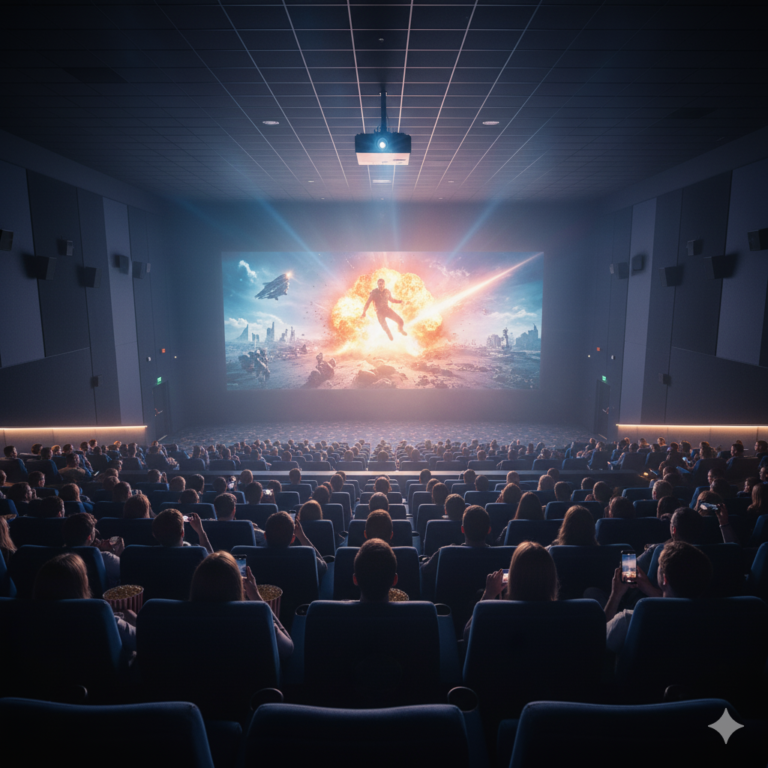
The Avatar Fire and Ash parents guide has become essential reading for families planning to experience the third installment in James Cameron’s major science fiction franchise.
Released as the highly anticipated continuation of the Avatar saga, Fire and Ash returns audiences to the alien world of Pandora with its bioluminescent landscapes, towering Na’vi characters, and increasingly complex storylines that push the boundaries of visual effects cinema.
Parents across the globe are seeking detailed information about what content their children will encounter, making age suitability assessments a critical part of the moviegoing decision. This film arrives with significant expectations following the massive commercial success of Avatar: The Way of Water, which introduced younger audiences to the Sully family’s ocean-dwelling adventures.
- Avatar Fire Ash: Table of Contents
- What Age Rating Does Avatar Fire and Ash Carry and Is It Suitable for Young Children?
- Violence and Action Sequences in Avatar Fire and Ash: Intensity Levels Explained
- Emotional and Thematic Content: Family Themes and Mature Storylines
- Frightening and Disturbing Imagery: Creature Designs and Intense Moments
- Language, Substance Use, and Other Content Considerations for Parents
- Comparing Avatar Fire and Ash to Previous Films in the Franchise
- How to Prepare
- How to Apply This
- Expert Tips
- Frequently Asked Questions
- You Might Also Like
Fire and Ash shifts the narrative focus once again, exploring new regions of Pandora while continuing themes of family, ecological preservation, and cultural identity. However, the evolving storyline also brings more mature content that warrants careful consideration from parents and guardians before bringing children to theaters.
By the end of this comprehensive guide, readers will have a complete understanding of the specific content elements present in Avatar Fire and Ash, including violence intensity, emotional themes, language, and frightening sequences.
This breakdown will help families make informed decisions about appropriate viewing ages, prepare children for potentially challenging scenes, and determine whether theatrical viewing or home streaming offers the better experience for their particular family dynamics.
Table of Contents
- What Age Rating Does Avatar Fire and Ash Carry and Is It Suitable for Young Children?
- Violence and Action Sequences in Avatar Fire and Ash: Intensity Levels Explained
- Emotional and Thematic Content: Family Themes and Mature Storylines
- Frightening and Disturbing Imagery: Creature Designs and Intense Moments
- Language, Substance Use, and Other Content Considerations for Parents
- Comparing Avatar Fire and Ash to Previous Films in the Franchise
- How to Prepare
- How to Apply This
- Expert Tips
- Frequently Asked Questions
What Age Rating Does Avatar Fire and Ash Carry and Is It Suitable for Young Children?
avatar Fire and Ash has received a PG-13 rating from the Motion Picture Association, consistent with its predecessors in the franchise.
This classification indicates that some material may be inappropriate for children under 13, and parents are strongly urged to exercise careful judgment before allowing younger children to view the film.
The rating specifically cites sequences of intense action violence, some disturbing images, and mild language as the primary factors influencing this designation.
The PG-13 rating serves as a baseline, but parents should recognize that individual children mature at different rates and have varying sensitivities to different types of content. A child who handles action sequences well might struggle with emotionally intense family drama, while another might be unbothered by perilous situations but disturbed by creature designs.
The official rating provides a starting point, but this guide offers the granular detail necessary for personalized family decisions.
- **Official MPAA Rating**: PG-13 for intense sequences of action violence, some disturbing images, and mild language
- **Common Sense Media Recommendation**: Typically suggests ages 10-12 and up for Avatar films, with parental discretion advised
- **International Ratings**: Various international markets have assigned ratings ranging from PG to 12A depending on regional standards

Violence and Action Sequences in Avatar Fire and Ash: Intensity Levels Explained
The action sequences in Fire and Ash represent a notable escalation from previous Avatar installments, featuring extended battle scenes between Na’vi clans, human military forces, and new antagonistic factions introduced in this chapter.
The film contains multiple sequences of combat involving both traditional Na’vi weapons and advanced human technology, with realistic depictions of characters being struck, thrown, and injured during confrontations.
While the alien setting provides some psychological distance from real-world violence, the emotional stakes and sophisticated visual effects create genuinely intense viewing experiences.
Several sequences involve characters in mortal peril, including underwater entrapment, aerial combat at extreme heights, and close-quarters fighting that results in visible injuries. The film does not shy away from showing the consequences of violence, including characters experiencing pain, bleeding from wounds, and in some cases, death of both named and unnamed characters.
Parents should note that certain deaths occur on-screen and involve characters that audiences, particularly younger viewers, may have formed attachments to throughout the franchise.
- **Combat frequency**: Major action sequences occur approximately every 15-20 minutes throughout the film’s runtime
- **Weapon depictions**: Includes bows, spears, knives, firearms, explosives, and mechanized military equipment
- **Injury visibility**: Blood and wounds are shown, though not in excessive graphic detail; Na’vi blood appears differently than human blood
Emotional and Thematic Content: Family Themes and Mature Storylines
Beyond physical action, Avatar Fire and Ash contains emotionally demanding content that may prove challenging for younger or more sensitive viewers. The film explores themes of loss, grief, family separation, and the psychological toll of ongoing conflict on both adults and children.
Several scenes depict characters processing trauma, experiencing intense fear, and making morally complex decisions with life-or-death consequences for their loved ones.
The Sully family dynamics remain central to the narrative, with particular attention paid to the experiences of the younger characters as they navigate adolescence during wartime conditions.
These storylines include moments of family tension, rebellion against parental authority, and young characters being placed in dangerous situations that may cause anxiety for child viewers who identify with these characters. Parents should be prepared for conversations about these themes following the viewing experience.
- **Grief and loss**: Multiple characters experience and process significant losses during the film
- **Family conflict**: Realistic depictions of parent-child disagreements and sibling rivalry under stress
- **Environmental themes**: Continued emphasis on ecological destruction and its emotional impact on indigenous communities

Frightening and Disturbing Imagery: Creature Designs and Intense Moments
Fire and Ash introduces several new Pandoran creatures and environments that may frighten younger children, particularly when experienced on large format screens with immersive sound systems. The volcanic regions featured in this installment present darker, more threatening aesthetics compared to the bioluminescent beauty of previous settings.
Creature designs include predatory animals with threatening appearances, and several sequences involve characters being hunted or stalked by dangerous fauna. The film also contains sequences that could be classified as suspenseful or horror-adjacent, with characters hiding from threats, narrow escapes from dangerous situations, and moments designed to create tension through anticipation of danger.
While these scenes serve the narrative and are not gratuitously frightening, sensitive children may find certain sequences difficult to watch, particularly in theatrical environments where the immersive technology amplifies the intensity.
- **New creature introductions**: Several predatory species appear with designs intended to convey danger and threat
- **Environmental hazards**: Volcanic activity, extreme temperatures, and unstable terrain create perilous situations
- **Suspense sequences**: Extended scenes of characters in hiding or attempting to escape detection
Language, Substance Use, and Other Content Considerations for Parents
The language content in Avatar Fire and Ash remains relatively mild compared to many PG-13 films, though it does include occasional profanity that some families may find objectionable. The script includes mild expletives and some instances of stronger language during moments of extreme stress or conflict.
No sexual content or nudity beyond the cultural norm of Na’vi dress appears in the film, consistent with the franchise’s approach to the alien species’ traditional clothing.
Substance use depictions are minimal, limited primarily to cultural or medicinal contexts within Na’vi traditions. The film does not glamorize or encourage any substance use, and such elements serve narrative purposes related to spiritual practices or healing rather than recreational use.
Parents concerned about imitable behaviors should note that the fantastical setting makes most character actions impossible to replicate, though themes of risk-taking and defying authority do appear in the context of younger characters’ storylines.
- **Profanity count**: Approximately 5-8 instances of mild to moderate profanity throughout the film
- **Spiritual content**: Continued exploration of Na’vi religious beliefs and connection to Eywa
- **Positive messages**: Strong themes of family loyalty, environmental stewardship, and cultural preservation

Comparing Avatar Fire and Ash to Previous Films in the Franchise
Parents familiar with the previous Avatar films can use those experiences as a baseline for Fire and Ash, though this installment does push certain boundaries further. The original Avatar contained significant military violence and the destruction of the Na’vi Hometree, sequences that many parents found intense for younger children.
The Way of Water introduced underwater peril and whale hunting sequences that added new dimensions of tension.
Fire and Ash continues this pattern of escalation while maintaining the franchise’s core appeal to family audiences. The emotional complexity has also increased with each installment as the Sully children have aged and faced more mature challenges.
Parents who felt their children handled previous Avatar films well should still preview content guides for Fire and Ash, as the specific nature of violence and emotional content differs from earlier entries. The film’s exploration of new environments and conflicts means that comfort with previous installments does not guarantee comfort with this one.
How to Prepare
- **Review the specific content warnings** in detail before the theatrical experience, making note of any elements that align with your child’s particular sensitivities or past reactions to similar content in other media.
- **Watch or re-watch previous Avatar films** together to refresh familiarity with the world, characters, and tone of the franchise, using these viewings as opportunities to discuss any concerns that arise.
- **Discuss the fictional nature** of the content with younger children, emphasizing that the events are not real and that the actors and filmmakers are safe, which can help children process intense sequences.
- **Choose an appropriate viewing format** based on your child’s sensitivity levels; IMAX and other premium formats intensify the experience significantly compared to standard theatrical presentation or eventual home viewing.
- **Plan for breaks if needed** by selecting seats with easy aisle access, and establish a signal your child can use if they need to step out during overwhelming moments without feeling embarrassed.
How to Apply This
- **Use content timestamps** when available from detailed parents’ guides to identify specific moments that may require preparation or during which you might cover young eyes or ears briefly.
- **Sit close to your child** during the viewing, maintaining physical contact through an arm around shoulders or hand-holding during intense sequences to provide reassurance and comfort.
- **Create a post-movie discussion plan** with questions prepared to help children process what they saw, address any confusing plot points, and validate emotional responses to difficult content.
- **Follow up in subsequent days** by checking in about any lingering thoughts, nightmares, or questions that emerge after the initial viewing experience has had time to process.
Expert Tips
- **Consider matinee showings** for first viewings, as daytime experiences feel less intense than evening shows and make the transition back to normal activities smoother for children who may need processing time.
- **Trust your instincts about your specific child** over general age recommendations; parents know their children’s sensitivities better than any guide, and there is no shame in waiting for home release if theatrical intensity seems excessive.
- **Prepare older siblings** to be supportive rather than dismissive if younger family members express fear, establishing expectations that teasing about scared reactions is not acceptable family behavior.
- **Research the specific theater’s audio levels** if your child has sensory sensitivities, as some premium formats feature very loud sound design that can be overwhelming independent of content.
- **Have a backup plan** ready in case the movie proves too intense, whether that means leaving early, switching to a different activity, or simply being prepared with comfort items like a favorite snack or small stuffed animal for younger children.
Frequently Asked Questions
How long does it typically take to see results?
Results vary depending on individual circumstances, but most people begin to see meaningful progress within 4-8 weeks of consistent effort.
Is this approach suitable for beginners?
Yes, this approach works well for beginners when implemented gradually. Starting with the fundamentals leads to better long-term results.
What are the most common mistakes to avoid?
The most common mistakes include rushing the process, skipping foundational steps, and failing to track progress.
How can I measure my progress effectively?
Set specific, measurable goals at the outset and track relevant metrics regularly. Keep a journal to document your journey.
You Might Also Like
For more on Avatar Fire Ash, see the full breakdown above – the avatar fire ash details cover what most viewers want to know.
Whether you searched for avatar fire ash reviews, avatar fire ash streaming, or avatar fire ash cast, this guide consolidates the relevant avatar fire ash facts in one place.
Steve Levine writes FindThisMovie’s Ending Explained breakdowns, best-of lists, and scene-identification guides — drawing on 20+ years of watching (and re-watching) far too many films. More about Steve →