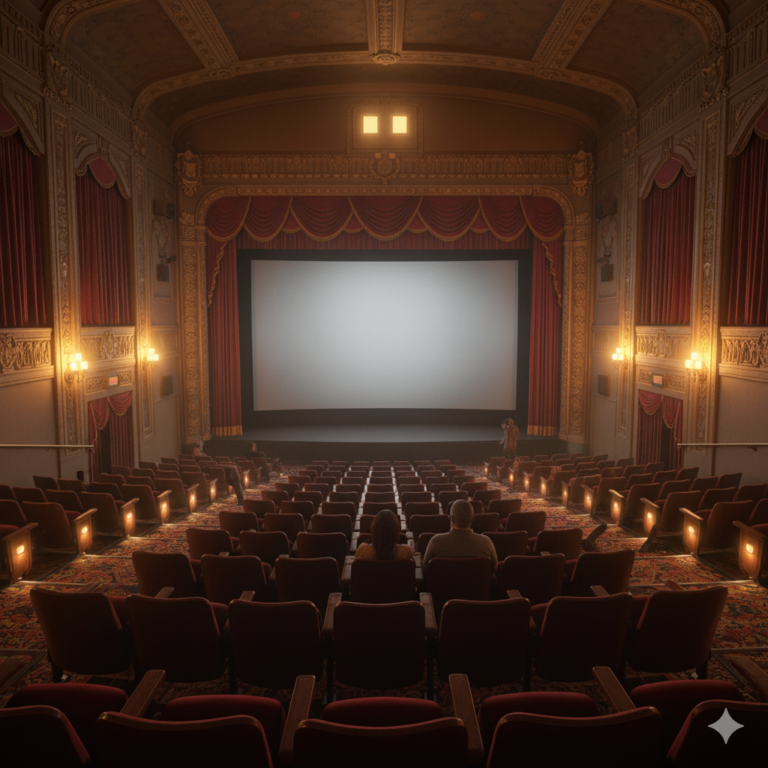
The scary scenes in Wicked have sparked ongoing discussions among audiences since the musical’s Broadway debut in 2003, and the 2024 film adaptation directed by Jon M. Chu has reignited conversations about how these darker moments function within the larger narrative. While Wicked is primarily known as a prequel story exploring the friendship between Elphaba and Glinda, the production contains several sequences that venture into genuinely unsettling territory, challenging the perception that this is simply a feel-good musical about witches and wizards. Understanding these frightening elements requires examining both their theatrical construction and their narrative purpose within Gregory Maguire’s revisionist take on the Land of Oz.
The question of why Wicked includes scary scenes at all speaks to the production’s fundamental ambition: to recontextualize a beloved children’s story through a more mature, politically conscious lens. The musical adaptation by Stephen Schwartz and Winnie Holzman never shies away from depicting the consequences of authoritarianism, the horror of losing one’s voice (literally, in the case of the Animals), and the psychological terror of being hunted by an entire society. These scenes serve as crucial counterweights to the show’s more uplifting moments, grounding Elphaba’s eventual transformation into the “Wicked Witch” in genuine trauma and injustice rather than simple villainy. By the end of this analysis, readers will have a comprehensive understanding of which scenes in Wicked contain frightening content, why these moments were included by the creative team, how they differ between stage and screen versions, and what deeper themes they illuminate. Whether you’re a parent wondering about the film’s suitability for younger viewers, a longtime fan seeking deeper insight into the production’s craft, or a newcomer curious about the darker undercurrents of this celebrated musical, this exploration covers the full spectrum of Wicked’s more intense sequences.
Table of Contents
- What Makes the Scary Scenes in Wicked So Effective for Audiences?
- The Wizard’s Darker Methods: Animal Persecution Scenes Explained
- Elphaba’s Transformation and the Horror of Becoming the Villain
- How the Flying Monkey Creation Scene Disturbs Viewers
- Mob Mentality and the “March of the Witch Hunters” Sequence
- The Melting Scene: Subverting Expectations Through Revealed Horror
- How to Prepare
- How to Apply This
- Expert Tips
- Frequently Asked Questions
What Makes the Scary Scenes in Wicked So Effective for Audiences?
The effectiveness of Wicked’s frightening moments stems from their integration with character development rather than existing as standalone shock sequences. When Doctor Dillamond, the beloved goat professor, is dragged away by the Wizard’s guards, the terror comes not from graphic violence but from the systematic silencing of a gentle intellectual figure. The scene works because audiences have spent time understanding Dillamond as a mentor to Elphaba, making his removal feel personal and devastating. This approach to horror through emotional investment rather than gore defines Wicked’s overall strategy for its darker content.
The musical employs several theatrical techniques to amplify the unsettling nature of specific scenes. Lighting design plays a crucial role, with harsh green washes and sudden blackouts creating disorientation during sequences involving the Wizard’s propaganda machine. Sound design contributes equally, particularly in moments where Animal characters lose their ability to speak, with their voices distorting into inhuman sounds that convey the horror of forced dehumanization. The 2024 film adaptation expands on these techniques through cinematic tools, using close-up shots and enhanced sound mixing to intensify the visceral impact of these sequences.
- The transformation scenes use body horror elements, showing physical changes that register as deeply uncomfortable
- Crowd scenes depicting mob mentality against Elphaba tap into real-world fears about persecution and social rejection
- The Wizard’s reveal as a fraud creates existential dread about authority figures and misplaced trust
- Flying monkey creation sequences blend fantasy with disturbing imagery of involuntary bodily transformation
The Wizard’s Darker Methods: Animal Persecution Scenes Explained
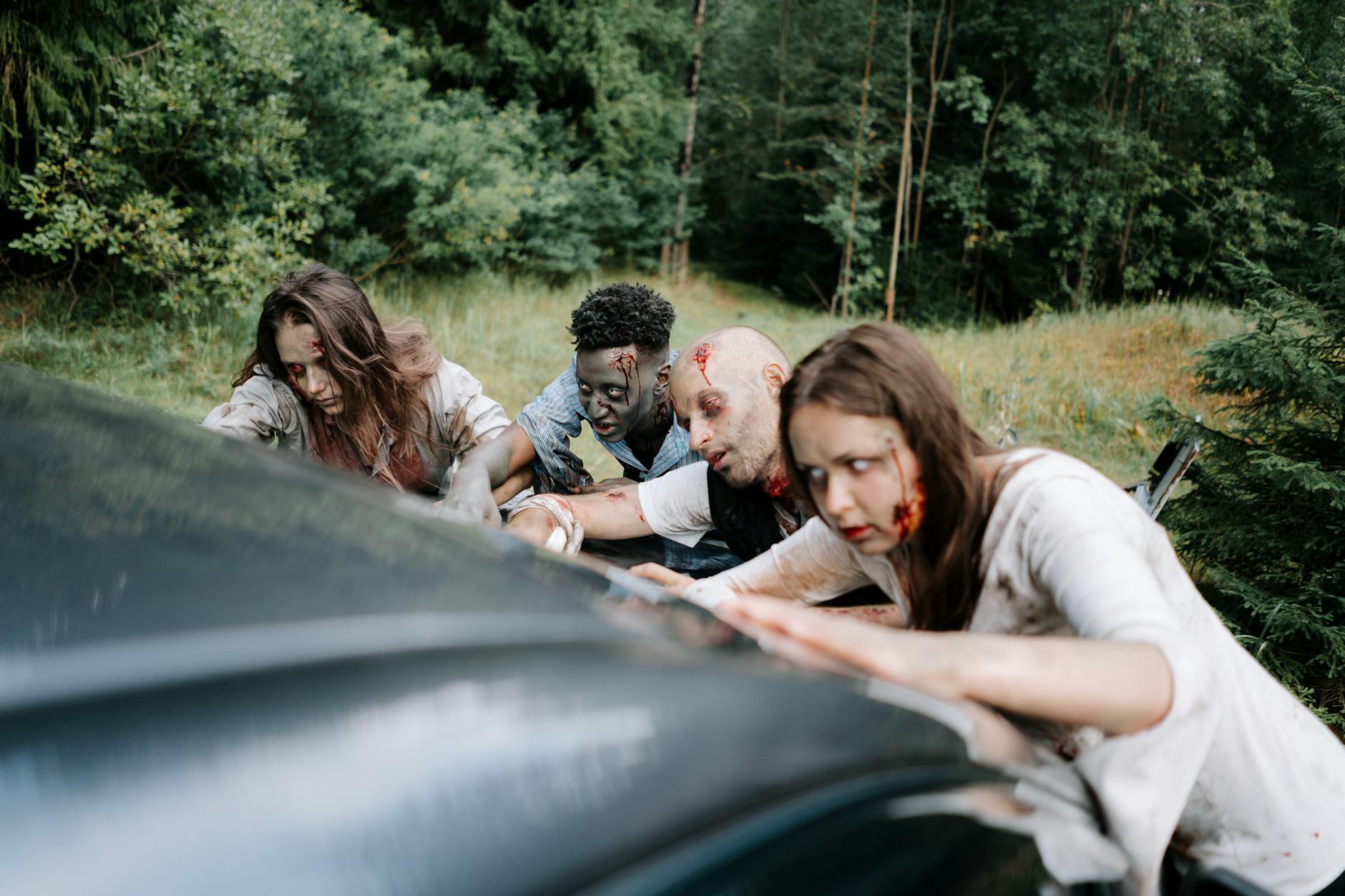
The persecution of Animals (sentient, speaking creatures distinct from regular animals) forms the political backbone of Wicked’s narrative and provides its most consistently disturbing imagery. The Wizard, revealed to be a charlatan from our world, maintains power partly through scapegoating the Animal population, stripping them of rights and eventually their ability to communicate. These scenes draw deliberate parallels to historical atrocities, and the creative team has never hidden this intention. The gradual silencing of an entire population registers as deeply horrifying precisely because it mirrors real patterns of oppression.
Doctor Dillamond’s arc represents the most emotionally devastating thread of the Animal persecution storyline. His classroom scene, where he struggles to write “Animals” on the chalkboard as his linguistic abilities deteriorate, ranks among the most quietly terrifying moments in the production. There is no dramatic confrontation or violent imagery, just the slow erasure of a being’s fundamental capacity for expression. The 2024 film extends this sequence, lingering on Dillamond’s confusion and fear as students watch helplessly. For many viewers, this scene disturbs more than any traditional horror sequence because it depicts systematic cruelty normalized within everyday institutional settings.
- The “monkey transformation” scene in the Wizard’s palace shows Chistery and others being forcibly altered against their will
- Propaganda posters depicting Animals as threats appear throughout both stage and film versions
- The implication that Animals are being used for labor and experimentation lurks beneath the surface of multiple scenes
- Elphaba’s horror at discovering the Wizard’s true methods catalyzes her transformation into an outlaw
Elphaba’s Transformation and the Horror of Becoming the Villain
One of Wicked’s most psychologically complex scary elements involves watching Elphaba gradually become the figure audiences know as the Wicked Witch of the West. This transformation contains its own breed of horror: the terror of watching a sympathetic protagonist pushed toward an identity they never chose. The scenes where Elphaba first begins to embody the witch archetype, particularly during “Defying Gravity” and later “No Good Deed,” carry an unsettling edge because they show a at its core good person being warped by circumstances beyond her control. The “No Good Deed” sequence stands as arguably the darkest moment in the musical, depicting Elphaba’s psychological breakdown after her attempts to help others result in catastrophic consequences. Her incantation over Fiyero’s body, attempting to save him through magic she doesn’t fully control, plays as a scene of desperate grief bordering on madness.
The staging typically involves frantic movement, discordant musical elements, and lighting that isolates Elphaba in an increasingly hostile visual environment. In the film version, this sequence reportedly employs rapid editing and distorted audio to externalize Elphaba’s mental state, creating a genuinely nightmarish experience. The horror here operates on multiple levels. Surface-level, the scene involves dark magic, physical transformation, and screaming. Deeper, it depicts someone abandoning hope and embracing the monstrous identity society has forced upon them. Viewers familiar with the Wizard of Oz story know where this path leads, adding tragic irony that amplifies the disturbing nature of watching Elphaba’s descent.
- Elphaba’s green skin, treated as monstrous from birth, establishes body horror themes from the opening scenes
- The witch hat and black costume, adopted defiantly, symbolize her acceptance of villain status
- Her increasing isolation mirrors horror film tropes of protagonists cut off from support systems
- The juxtaposition with Glinda’s glittering ascent heightens the darkness of Elphaba’s trajectory
How the Flying Monkey Creation Scene Disturbs Viewers
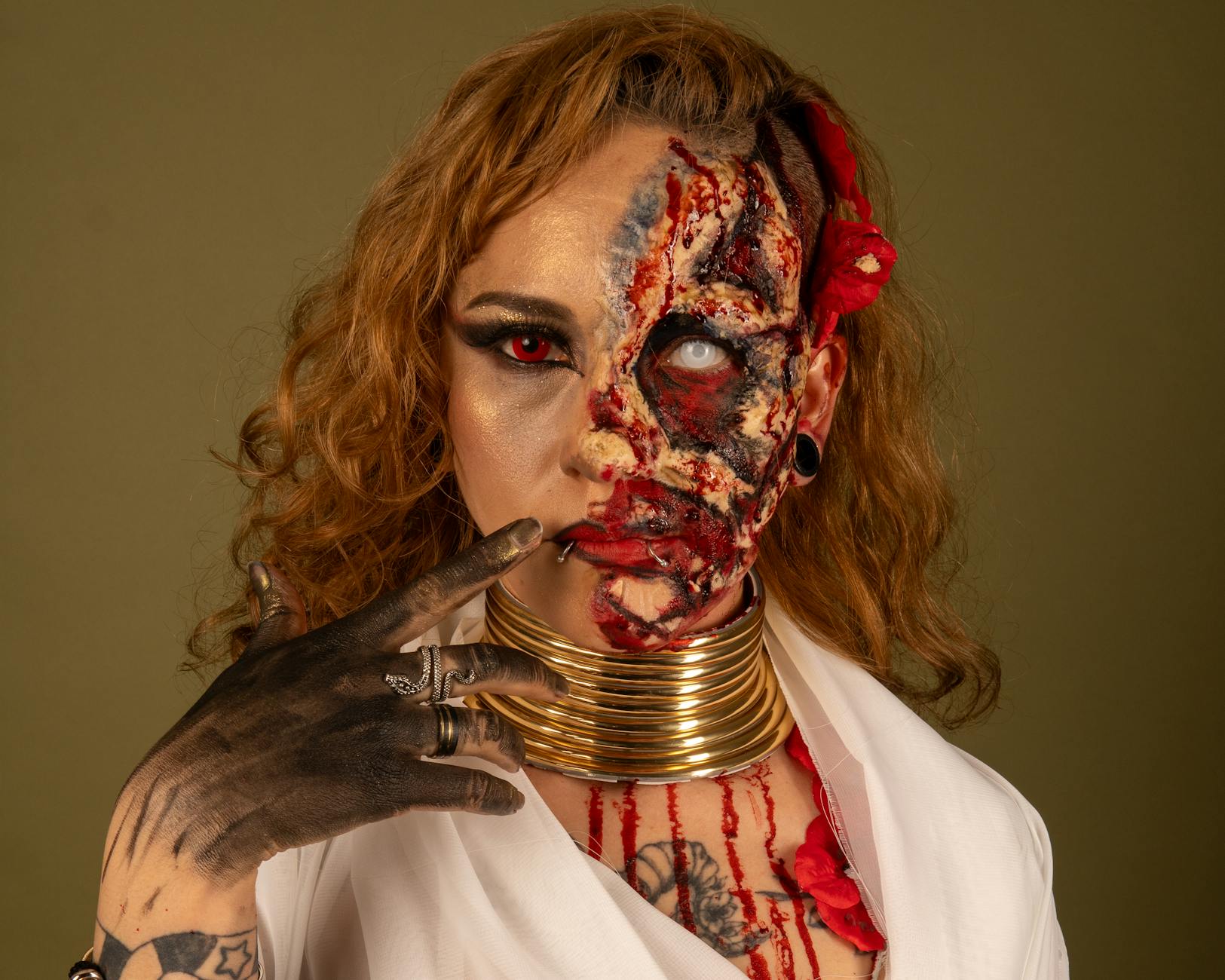
The flying monkey creation sequence ranks consistently as the most viscerally frightening scene in Wicked for audiences across age groups. This scene depicts the Wizard’s scientist, Madame Morrible in collaboration with Elphaba (unknowingly), giving wings to a group of monkeys, transforming them permanently against their will. The original stage production handles this through theatrical suggestion and costume reveals, but the imagery of creatures in pain, growing appendages they never asked for, taps into primal body horror that transcends the fantasy setting.
The 2024 film adaptation apparently expands this sequence significantly, using visual effects to show the transformation in greater anatomical detail. Reports from early screenings indicate that the scene includes closeups of wing emergence and the monkeys’ frightened faces as they undergo the change. Director Jon M. Chu has spoken in interviews about wanting to honor the disturbing implications the stage version only suggests, creating a scene that makes audiences viscerally understand why Elphaba reacts with such horror and why she can never forgive herself for her inadvertent role in the creation of these creatures.
- The monkeys’ inability to consent to their transformation parallels broader themes about bodily autonomy
- Chistery’s loyalty to Elphaba despite his forced transformation adds tragic complexity
- The scene establishes that magic in this world carries permanent, often horrifying consequences
- Visual design choices emphasize the unnaturalness of the wing grafts rather than depicting them as beautiful
Mob Mentality and the “March of the Witch Hunters” Sequence
The “March of the Witch Hunters” number presents a different category of frightening content: the horror of collective violence and societal bloodlust. As Ozian citizens take up pitchforks and torches (literal and metaphorical) against Elphaba, the audience witnesses how propaganda transforms ordinary people into a murderous mob. The staging typically involves the ensemble advancing toward the audience, their faces twisted with righteous fury, creating an uncomfortable confrontation with how easily populations can be manipulated into supporting violence against designated enemies.
This sequence disturbs because of its historical resonance. The imagery deliberately evokes witch trials, pogroms, and other instances of collective persecution throughout human history. Schwartz and Holzman have discussed drawing on these historical parallels intentionally, wanting audiences to recognize that the mechanisms turning Elphaba into a hunted villain operate in the real world. The film version reportedly intensifies this connection through crowd composition that suggests diverse ordinary citizens rather than obviously villainous figures, emphasizing that perpetrators of such persecution are rarely monsters but rather regular people caught in systems of dehumanization.
- The cheerful, march-like melody creates cognitive dissonance with the violent lyrics and intent
- Children participating in the hunt (visible in some productions) adds another layer of disturbing implication
- Glinda’s position, unable to stop the mob she helped create, generates horror through complicity
- The scene’s placement near the climax ensures maximum emotional impact

The Melting Scene: Subverting Expectations Through Revealed Horror
For audiences familiar with The Wizard of Oz, Elphaba’s apparent death by melting carries built-in dramatic weight, but Wicked recontextualizes this moment in ways that transform its meaning and emotional impact. The scene plays initially as the culmination of the hunt, with Dorothy (appearing briefly) throwing water and Elphaba seemingly dying in agony. The horror here stems from watching a character we’ve come to love and understand apparently suffer a painful death while being celebrated as a victory by those who never knew her true nature.
The twist, revealing that Elphaba staged her death and escapes with Fiyero, provides relief but doesn’t entirely dispel the scene’s disturbing elements. The willingness of an entire society to celebrate the violent death of a woman they never truly understood lingers as a sobering commentary. Additionally, Elphaba must permanently exile herself, abandoning her identity and everyone she loves, a fate that carries its own psychological horror even without physical death. The “happy ending” comes wrapped in sacrifice and loss that prevents simple emotional resolution.
How to Prepare
- **Pre-screen the production or research specific scenes** before viewing with children under ten. The flying monkey transformation and Animal persecution sequences prove most commonly cited as disturbing for younger audiences. Watching clips or reading detailed summaries allows adults to gauge whether their specific child can handle the content, as sensitivity varies significantly among individuals.
- **Discuss the historical parallels beforehand** at an age-appropriate level. Explaining that the story deals with how societies sometimes treat people unfairly because they’re different helps children understand the scary scenes as meaningful rather than gratuitously frightening. This context transforms disturbing imagery into opportunities for conversation about real-world values.
- **Establish that the scariest moments have purposes** within the story. Children handle frightening content better when they understand it serves narrative function rather than existing purely to scare them. Explaining that Elphaba’s suffering shows why she becomes who she does helps frame the content constructively.
- **Plan for breaks if watching the film version** at home, where pausing is possible. The stage production’s intermission falls strategically after “Defying Gravity,” providing natural processing time, but home viewing allows additional pauses if needed during the second act’s darker sequences.
- **Prepare responses for questions** about the Animal persecution and its real-world parallels. Children often intuit these connections and may ask difficult questions about whether such things happen in reality. Having thoughtful, honest answers ready helps these teaching moments succeed.
How to Apply This
- **Identify the political allegory** in each frightening sequence. The Animal persecution parallels historical oppression, the mob scenes reflect how propaganda enables violence, and the Wizard’s methods critique authoritarian power. Recognizing these layers transforms scary scenes into substantive commentary.
- **Track Elphaba’s psychological state** through the darker moments. Her reactions to frightening events, from horror at Dillamond’s silencing to breakdown during “No Good Deed,” chart her transformation. The scary scenes serve as waypoints in her character arc rather than disconnected shock moments.
- **Compare stage and film versions** where possible. The different media employ different techniques to create fear and unease. Stage productions rely on theatrical suggestion, lighting, and audience imagination, while the film uses cinematic tools for more explicit visualization. Understanding these choices illuminates how horror functions across media.
- **Discuss the scenes with others** after viewing. Wicked’s frightening content often sparks meaningful conversations about power, persecution, and how heroes become villains in public perception. These discussions deepen appreciation for the production’s ambitions beyond entertainment.
Expert Tips
- **Pay attention to musical underscoring during scary scenes.** Schwartz’s compositions include deliberate dissonance and tempo changes that signal danger and unease. The orchestra provides emotional cues that enhance frightening moments even when visual content remains relatively restrained.
- **Notice how costume and makeup design contribute to horror elements.** Elphaba’s increasingly dark wardrobe, the Wizard’s guards’ intimidating uniforms, and the transformed monkeys’ appearance all reinforce threatening atmosphere through visual design choices that operate subconsciously on viewers.
- **Consider the family rating carefully for the film version.** The PG rating indicates content appropriate for general audiences with parental guidance, but individual children’s sensitivities vary. The film reportedly earned its rating specifically because of the flying monkey sequence’s intensity, suggesting this scene pushed boundaries of the rating category.
- **Recognize that Glinda’s complicity creates its own disturbing thread.** Her participation in and benefit from systems that persecute her best friend generates a quieter but persistent horror throughout the production. This complicity resonates differently for adult viewers who recognize such dynamics from their own lives.
- **Remember that the “scary” elements serve the “good” theme of the title.** The subtitle “For Good” refers both to Elphaba and Glinda changing each other permanently and to the production’s moral concerns about genuine goodness versus performed goodness. The frightening scenes illuminate this theme by showing what happens when societies prioritize appearance over substance.
Frequently Asked Questions
How long does it typically take to see results?
Results vary depending on individual circumstances, but most people begin to see meaningful progress within 4-8 weeks of consistent effort.
Is this approach suitable for beginners?
Yes, this approach works well for beginners when implemented gradually. Starting with the fundamentals leads to better long-term results.
What are the most common mistakes to avoid?
The most common mistakes include rushing the process, skipping foundational steps, and failing to track progress.
How can I measure my progress effectively?
Set specific, measurable goals at the outset and track relevant metrics regularly. Keep a journal to document your journey.