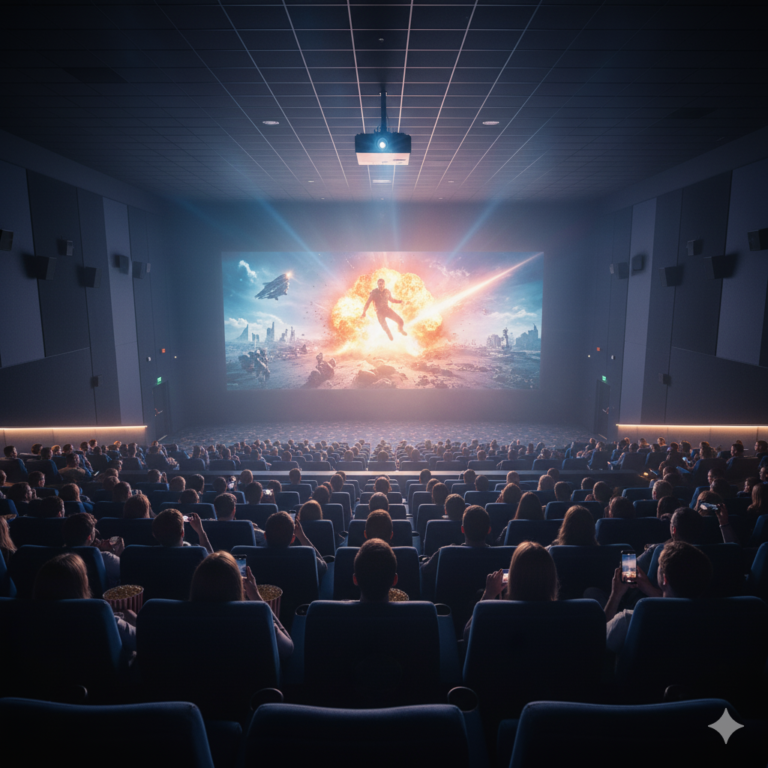
People increasingly prefer films that stand alone because they offer emotional completeness, lower time and financial commitment, and creative risk-taking that feels fresh and satisfying.
Standalone films deliver a full emotional arc and thematic payoff within a single viewing, which gives audiences a clear sense of closure and reward rather than a cliffhanger that forces them to wait for a later installment[1]. Standalones also respect viewers’ limited time and money: with streaming and crowded release schedules, many people favor a single, self-contained story they can enjoy without investing in multiple sequels or spin-offs[1]. Creatively, filmmakers can take bolder tonal, structural, or thematic risks when a movie does not have to preserve franchise continuity or set up future installments, and that freedom often produces distinctive, memorable films that stand out in a market saturated with franchised content[2][5].
Practical economics and audience habits reinforce the preference for self-contained films. Studios historically favor sequels because of lower financial risk and predictable returns, which helps explain why franchises dominate the box office, but that business logic also creates fatigue for some viewers who want new, singular stories instead of brand extensions[1]. Streaming’s rise shifted how people discover and watch movies—many now prioritize convenience and cost, making a single, complete film often more appealing than a multi-part theatrical commitment[1]. At the same time, when an original, standalone movie breaks through and earns exceptional audience love, studios may turn it into a franchise because the financial upside is attractive; the fact that some standalones later spawn franchises shows both the demand for original storytelling and the industry’s inclination to capitalize on success[2][5].
Audience psychology and cultural factors matter as well. A standalone film can act as a complete cultural moment: its surprises, tone, or emotional beats are experienced intact and become part of how people talk about it, rewatch it, or recommend it—without the conversation hinging on future releases or continuity[3]. Conversely, sequels sometimes underperform when a first film was enjoyed as a mostly self-contained experience, because follow-ups can dilute what made the original special or change the elements audiences loved[3]. Some spin-offs and sequels do succeed by shifting focus or exploring new characters, but they succeed when they recapture the standalone film’s sense of completeness while offering something new[4].
In short, the appeal of standalone films combines artistic satisfaction—complete storytelling and creative risk—with practical convenience and a reaction against franchise fatigue; market forces push toward sequels, but audience tastes still reward single, self-contained works[1][2][3][4][5].
Sources
https://thewhiterabbits.org/culture/factors-that-have-sequels-dominating-the-box-office/
https://www.personal-view.com/news/articles/10-breakout-movies-that-sparked-blockbuster-franchises
https://scottmendelson.substack.com/p/box-office-wicked-for-good-last-jedi-it-michael-jackson
https://www.imdb.com/news/ni64686366/
https://collider.com/best-movies-that-started-long-running-franchises/