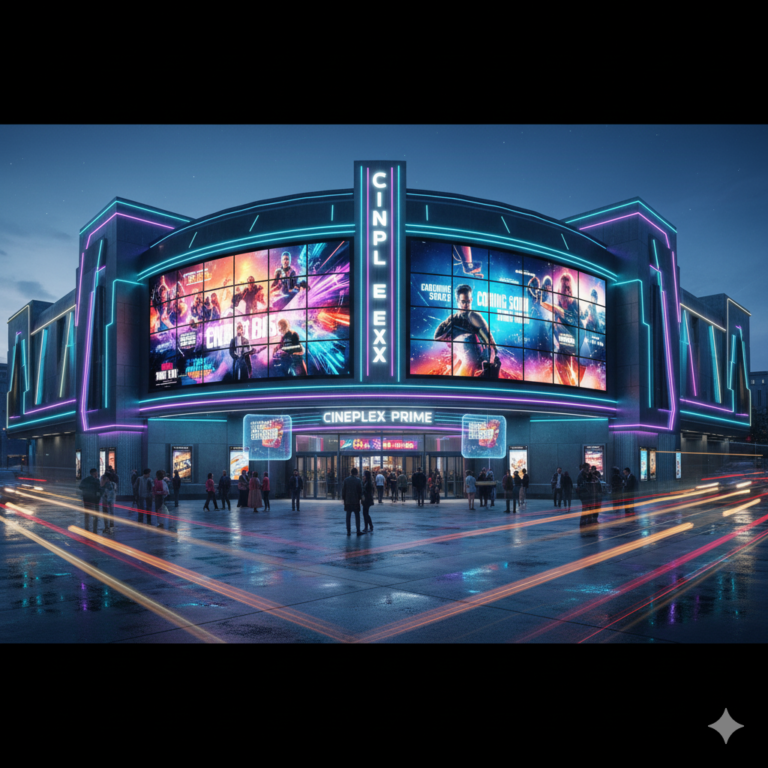
Movies are becoming event experiences at an unprecedented rate, at its core reshaping how audiences interact with cinema and what they expect from a trip to the theater. The traditional model of simply watching a film in a darkened room has evolved into something far more elaborate, encompassing premium formats, themed screenings, interactive elements, and social media-driven communal viewing that transforms passive consumption into active participation. This shift represents one of the most significant changes in exhibition history since the transition from silent films to talkies. The transformation matters because it reflects deeper changes in how people value their time and entertainment spending.
With streaming services offering unlimited content at home for a fixed monthly fee, theatrical exhibition has been forced to justify premium pricing by delivering experiences that cannot be replicated in a living room. The question facing the industry is not whether films can survive theatrical release, but what unique value proposition physical venues can offer that keeps audiences buying tickets. This tension between convenience and experience has sparked innovation across the entire exhibition landscape. By the end of this article, readers will understand the economic and cultural forces driving the event-ification of cinema, the specific technologies and strategies theaters employ to create memorable experiences, and how this trend affects everything from blockbuster release strategies to independent film distribution. The analysis covers both the opportunities this shift creates for engaged moviegoers and the potential drawbacks for those who simply want to watch a film without elaborate production around it.
Table of Contents
- What Is Driving Movies to Become Event Experiences Rather Than Simple Screenings?
- Premium Movie Formats and Technologies Creating Cinema Event Experiences
- How Fan Culture Transforms Movie Screenings Into Communal Events
- Marketing Strategies That Position Movies as Must-Attend Events
- The Impact of Event Movie Experiences on Independent and Art House Cinema
- Future Trends in Movie Event Experiences and Theatrical Innovation
- How to Prepare
- How to Apply This
- Expert Tips
- Frequently Asked Questions
What Is Driving Movies to Become Event Experiences Rather Than Simple Screenings?
The transformation of movies into event experiences stems from a convergence of economic pressures, technological advancement, and shifting audience expectations. Theatrical attendance in North America peaked at 1.58 billion tickets sold in 2002 and has declined irregularly since, dropping to approximately 900 million tickets in recent years. This decline forced exhibitors to rethink their value proposition entirely. Rather than competing on convenience””a battle they cannot win against streaming””theaters pivoted toward offering irreplaceable experiences that justify higher ticket prices and draw audiences away from their couches.
The economics of modern exhibition favor event-style presentations. Premium Large Format screens like IMAX, Dolby Cinema, and proprietary formats such as AMC’s Dolby Cinema or Regal’s RPX command ticket prices between $18 and $25, compared to standard tickets averaging $11.75 nationally. These formats now account for a disproportionate share of opening weekend revenue for major releases, with some blockbusters generating 40% or more of their domestic gross from premium screens despite those screens representing less than 10% of total auditoriums. This revenue concentration demonstrates that audiences will pay substantially more for enhanced experiences.
- **Streaming competition**: Home viewing quality has improved dramatically, with 4K OLED televisions and Dolby Atmos soundbars offering excellent presentation, making standard theatrical projection less differentiated
- **Social media influence**: Shareable moments and participatory screenings generate organic marketing, incentivizing exhibitors and distributors to create Instagram-worthy experiences
- **Generational preferences**: Younger audiences, particularly Gen Z, demonstrate stronger preference for experiences over material goods, valuing memorable outings they can share with friends

Premium Movie Formats and Technologies Creating Cinema Event Experiences
The technological infrastructure enabling event-style movie experiences has expanded dramatically over the past two decades. IMAX remains the dominant premium format, with over 1,700 screens globally, but the original 15/70mm film presentation that made IMAX legendary now represents only a fraction of installations. Digital IMAX, while impressive, has spurred competitors to develop their own premium experiences, creating a market where theaters compete on projection brightness, sound system capability, and screen size.
Dolby Cinema represents perhaps the most technically sophisticated mainstream format, combining Dolby Vision HDR projection””capable of contrast ratios exceeding one million to one””with Dolby Atmos object-based audio featuring up to 128 discrete audio tracks and as many as 64 speakers. These auditoriums feature laser projection achieving 108 nits of brightness, more than three times brighter than standard digital cinema projectors. The perceptual difference is substantial: blacks appear truly black rather than gray, colors achieve greater saturation, and audio localizes precisely in three-dimensional space.
- **4DX and motion seats**: Over 750 screens worldwide offer synchronized seat movement, wind, water, and scent effects, transforming movies into theme park attractions
- **ScreenX and multi-projection**: Expanding films onto side walls creates 270-degree panoramic viewing, though content must be specifically produced for this format
- **High frame rate projection**: While controversial, 48fps and 120fps presentations offer unprecedented smoothness, particularly for action sequences
- **LED cinema screens**: Samsung’s Onyx screens eliminate projector limitations entirely, achieving 500 nits brightness with perfect uniformity across the entire display surface
How Fan Culture Transforms Movie Screenings Into Communal Events
The relationship between fan communities and theatrical exhibition has evolved from passive to participatory, at its core changing how certain films are consumed. Opening night screenings for major franchise installments now function as communal celebrations, with audiences cheering, applauding, and reacting vocally in ways that would have been considered disruptive a generation ago. This behavior, once confined to cult film screenings, has become mainstream for superhero films, horror releases, and animated features.
The phenomenon extends beyond organic audience reactions to organized event screenings. Alamo Drafthouse pioneered the quote-along and sing-along format, with audiences encouraged to recite dialogue, sing lyrics, and participate in film-specific rituals. Their screenings of films like “The Sound of Music,” “Grease,” and “The Rocky Horror Picture Show” sell out consistently, demonstrating appetite for interactive viewing experiences. Other exhibitors have adopted similar programming, recognizing that these screenings command premium prices and generate repeat attendance.
- **Cosplay and themed attire**: Opening night audiences increasingly arrive in costume, transforming lobbies into impromptu fan conventions and creating shareable social media content
- **Pre-show programming**: Rather than standard trailers and advertisements, event screenings feature exclusive content, cast introductions, and themed entertainment
- **Audience participation rituals**: Specific films develop their own traditions, from throwing toast at “Rocky Horror” screenings to shouting warnings at horror protagonists

Marketing Strategies That Position Movies as Must-Attend Events
Studios and exhibitors have developed sophisticated strategies for positioning films as events that demand immediate theatrical attendance rather than patient waiting for streaming availability. The marketing apparatus surrounding major releases now emphasizes exclusivity, communal experience, and cultural relevance rather than simply promoting the film’s narrative or stars. The concept of cultural FOMO””fear of missing out””has become central to event movie marketing.
Social media campaigns are calibrated to generate conversation that makes non-participants feel excluded. Hashtags, exclusive content reveals, and coordinated review embargoes create waves of discussion that peak during opening weekend, rewarding early attendance and penalizing delayed viewing. This approach particularly targets younger demographics who maintain constant social media presence and value participating in cultural moments as they occur.
- **Limited engagement windows**: Shortened theatrical exclusivity periods paradoxically increase opening weekend urgency, as audiences recognize films will leave theaters faster
- **Merchandise integration**: Exclusive theatrical merchandise, from commemorative popcorn buckets to limited-edition collectibles, creates additional incentive for in-person attendance
- **Influencer partnerships**: Studios provide early access to content creators who document their theatrical experiences, modeling enthusiastic attendance for their followers
- **Experiential activations**: Pop-up installations, themed restaurants, and interactive exhibits extend film experiences beyond the auditorium, creating multi-day engagement opportunities
The Impact of Event Movie Experiences on Independent and Art House Cinema
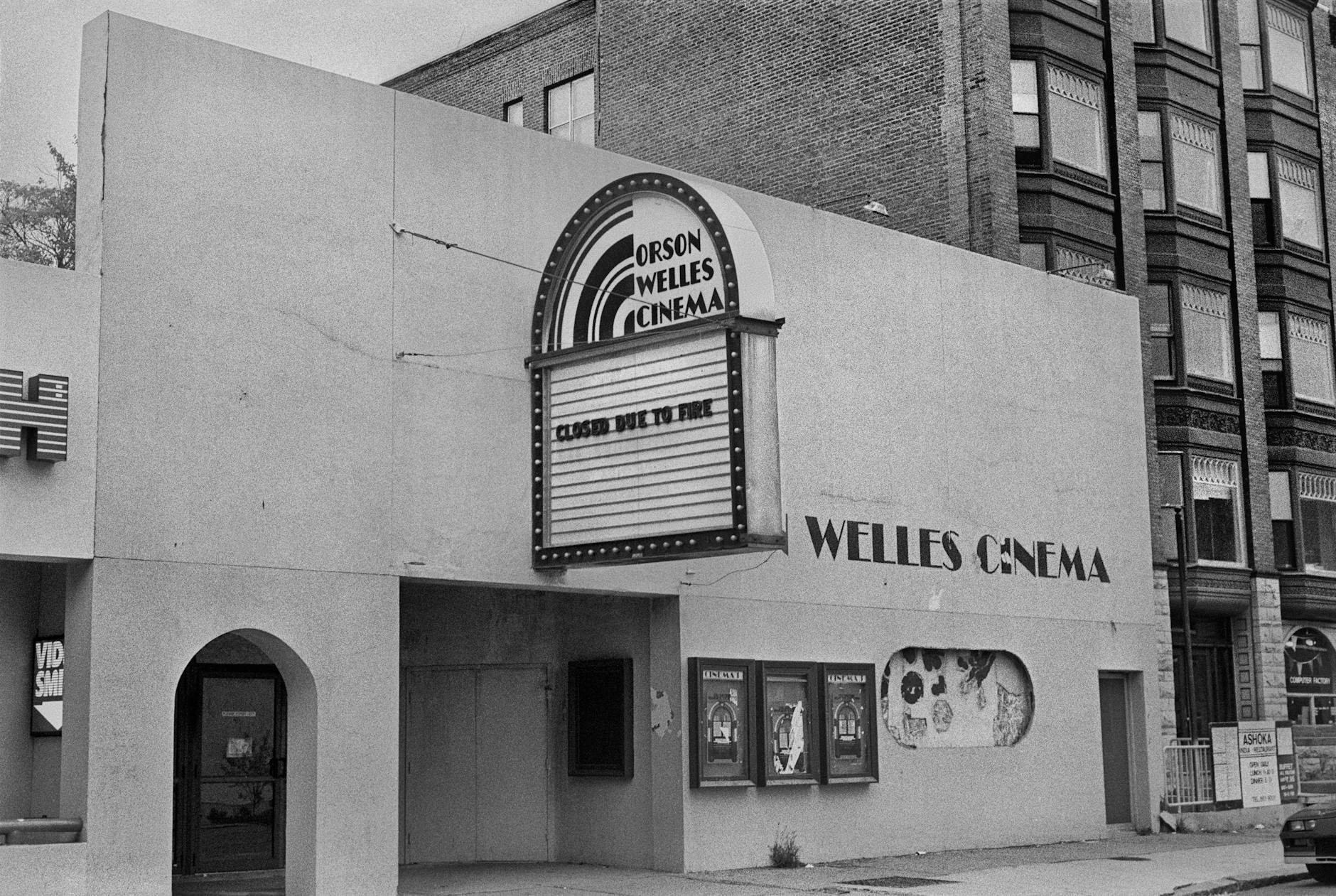
While the event-ification of cinema benefits blockbuster releases with built-in audiences and marketing budgets, its effects on independent and art house cinema remain mixed. Smaller films struggle to compete for screens when theaters optimize for premium-format blockbusters that generate higher per-seat revenue. This concentration has reduced platform release opportunities for independent films, accelerating their path to streaming or video-on-demand.
However, the event model has also created new opportunities for independent exhibition. Repertory programming””screening classic and cult films””has experienced resurgence as theaters seek programming for off-peak periods and secondary auditoriums. Director retrospectives, anniversary screenings, and restored classic presentations attract dedicated audiences willing to pay premium prices for irreplaceable theatrical experiences. The 4K restoration market has grown substantially, with companies like Criterion, Arrow, and boutique distributors investing in theatrical releases of catalog titles.
- **Film festivals as events**: Major festivals have expanded public-facing programming, transforming industry events into consumer experiences with world premiere screenings and filmmaker appearances
- **Specialty chains**: Exhibitors like Alamo Drafthouse, Landmark, and Angelika have built programming identities around curated experiences that differentiate them from multiplex chains
- **Single-film event releases**: Limited engagement screenings of documentaries, concert films, and anime releases achieve per-screen averages rivaling major studio releases
Future Trends in Movie Event Experiences and Theatrical Innovation
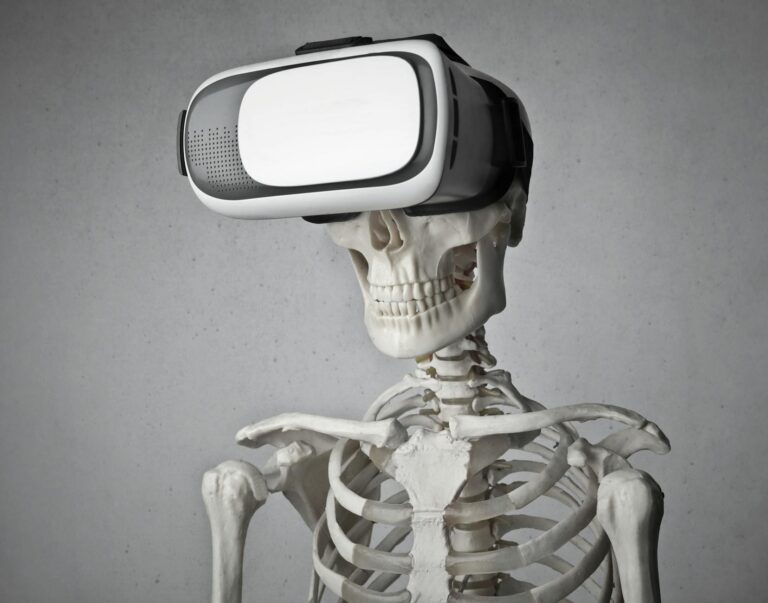
The trajectory of theatrical innovation suggests continued investment in differentiation and experience enhancement. Virtual reality components, while not replacing traditional projection, may supplement theatrical releases with VR experiences available in theater lobbies or dedicated venues. Location-based entertainment concepts that blur boundaries between cinema and theme parks continue development, with companies exploring installations that extend intellectual properties across multiple experience formats.
Subscription models have changed the economics of frequent attendance, enabling experimentation with premium formats and repeat viewing. AMC’s Stubs A-List, Regal’s Unlimited, and similar programs encourage members to explore unfamiliar films and premium presentations, potentially building audiences for diverse programming. These programs also generate valuable data about viewing preferences, enabling more targeted marketing and programming decisions.
How to Prepare
- **Research format options thoroughly**: Compare available presentations before purchasing tickets. Premium formats vary significantly in quality and appropriateness for specific films””IMAX excels for visually spectacular blockbusters, while Dolby Cinema’s superior contrast benefits darker films. Not all premium screens are equal; true IMAX laser differs substantially from digital IMAX conversions.
- **Book tickets early for optimal seating**: Event screenings sell out rapidly, and premium format auditoriums often have limited seating capacity. Most theaters allow advance purchase two weeks before release, with members gaining earlier access. Center seating approximately two-thirds back from the screen offers the best balance of image filling peripheral vision without requiring head movement.
- **Arrive early for pre-show content and atmosphere**: Event screenings frequently feature exclusive pre-show programming that begins 15-20 minutes before the advertised showtime. Arriving late means missing content and disrupting seated audiences. Early arrival also allows time to appreciate themed decorations and absorb the communal energy building before the film.
- **Understand theater policies regarding participation**: Some screenings encourage vocal audience participation while others maintain traditional quiet viewing environments. Knowing expectations in advance prevents awkward situations. Specialty exhibitors like Alamo Drafthouse maintain strict policies against talking and phone use, while opening night blockbuster screenings at mainstream chains typically tolerate enthusiastic reactions.
- **Prepare physically for extended presentations**: Premium films increasingly push past two and a half hours, with some exceeding three hours. Extended presentations compound duration further with exclusive content. Using restrooms before seating, limiting liquid consumption, and wearing comfortable clothing improves endurance for marathon viewing sessions.
How to Apply This
- **Identify which films merit event treatment**: Not every release benefits from premium presentation or opening weekend attendance. Evaluate films based on their visual ambition, sound design, and cultural conversation potential. Intimate dramas may actually benefit from smaller screens and quieter environments.
- **Build a repertoire of theaters**: Develop familiarity with multiple exhibition venues in your area, understanding each theater’s strengths. Some excel at premium formats, others at repertory programming, and others at food and beverage service. Matching film to venue enhances the overall experience.
- **Create social rituals around theatrical attendance**: Transform movie-going from isolated consumption into shared experience by establishing regular attendance with friends or family. Monthly movie nights with dinner afterward, or annual traditions around franchise releases, add meaning to theatrical viewing beyond the film itself.
- **Document and reflect on experiences**: Maintaining records of theatrical experiences””which films, which formats, which audiences””helps refine preferences over time and creates a personal history with cinema that enriches future viewing.
Expert Tips
- **Avoid 3D unless the film was shot natively in the format**: Post-converted 3D reduces image brightness substantially and rarely adds meaningful depth. True 3D photography, as used by James Cameron or certain documentary filmmakers, justifies the premium, but most 3D presentations detract from image quality while adding cost.
- **Investigate theater maintenance standards before committing to premium prices**: Not all premium auditoriums receive equal maintenance. Research reviews mentioning projector alignment, screen cleanliness, and sound system calibration. A well-maintained standard auditorium often provides better presentation than a neglected premium screen.
- **Consider mid-week evening screenings for the best balance**: Opening weekend crowds bring energy but also disruption. Screenings Tuesday through Thursday evenings typically attract engaged audiences while avoiding the chaos of weekend premieres and the sparse attendance of matinees.
- **Follow theater programmers on social media for advance notice of special events**: Repertory screenings and special programming often sell out before general promotion. Individual theater accounts and programmer social media profiles announce events earlier than corporate marketing channels.
- **Calibrate expectations based on audience composition**: Family films on weekends, horror films on Friday nights, and prestige films on Sunday evenings attract different audiences with different behavioral norms. Choosing screenings strategically improves compatibility between personal preferences and crowd behavior.
Frequently Asked Questions
How long does it typically take to see results?
Results vary depending on individual circumstances, but most people begin to see meaningful progress within 4-8 weeks of consistent effort. Patience and persistence are key factors in achieving lasting outcomes.
Is this approach suitable for beginners?
Yes, this approach works well for beginners when implemented gradually. Starting with the fundamentals and building up over time leads to better long-term results than trying to do everything at once.
What are the most common mistakes to avoid?
The most common mistakes include rushing the process, skipping foundational steps, and failing to track progress. Taking a methodical approach and learning from both successes and setbacks leads to better outcomes.
How can I measure my progress effectively?
Set specific, measurable goals at the outset and track relevant metrics regularly. Keep a journal or log to document your journey, and periodically review your progress against your initial objectives.
When should I seek professional help?
Consider consulting a professional if you encounter persistent challenges, need specialized expertise, or want to accelerate your progress. Professional guidance can provide valuable insights and help you avoid costly mistakes.
What resources do you recommend for further learning?
Look for reputable sources in the field, including industry publications, expert blogs, and educational courses. Joining communities of practitioners can also provide valuable peer support and knowledge sharing.