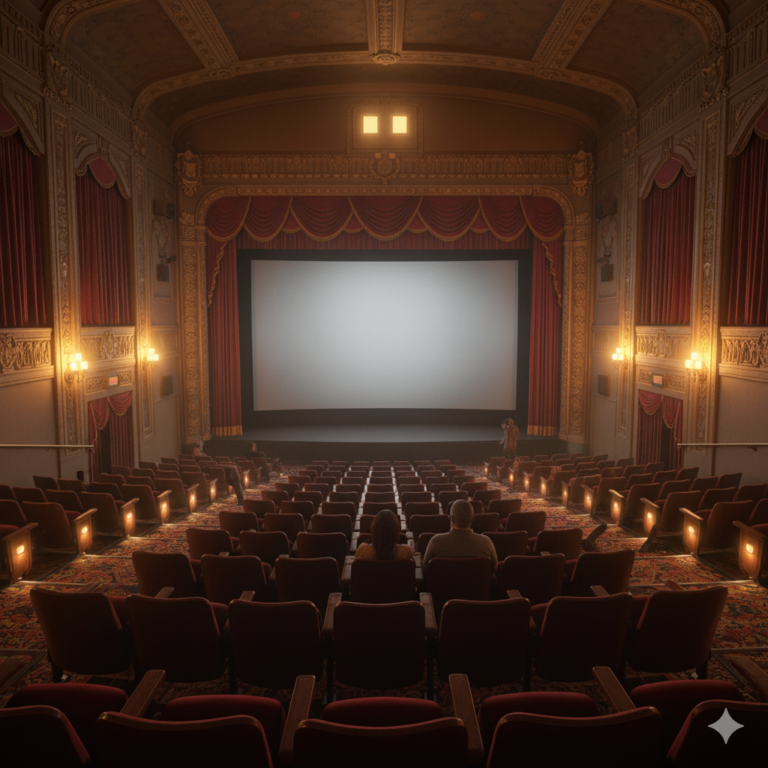
The phenomenon of why IMAX tickets spike on release weeks reveals a fascinating intersection of consumer psychology, studio marketing strategy, and the economics of premium cinema experiences. Every major blockbuster release triggers a predictable surge in IMAX bookings, with opening weekend prices often climbing 20-40% above standard showings while still selling out across major markets. This pattern has become so reliable that theater chains now build their quarterly revenue projections around these premium format spikes, treating them as essential profit drivers in an era of declining overall theater attendance. Understanding this pricing dynamic matters for both casual moviegoers and dedicated film enthusiasts.
The average family of four now spends upward of $100 for an IMAX outing during a major release, yet demand continues to outstrip supply during opening weekends. This creates a two-tier theatrical marketplace where timing your visit can mean the difference between a $60 experience and a $100 one for the same film. The economics driving these spikes affect everything from which films get greenlit for production to how studios sequence their release calendars throughout the year. By the end of this article, readers will understand the specific mechanisms behind IMAX ticket price increases during release weeks, the role of artificial scarcity in premium format distribution, how studios and exhibitors coordinate pricing strategies, and practical approaches for securing IMAX seats without paying peak premiums. The goal is to demystify a system that often feels arbitrary to consumers but follows surprisingly predictable patterns once you understand the underlying market forces at play.
Table of Contents
- What Causes IMAX Ticket Prices to Spike During Opening Weekends?
- How Studios and Exhibitors Coordinate IMAX Release Week Pricing
- The Psychology Behind Premium Format Demand During Release Weeks
- Strategies for Securing IMAX Tickets During High-Demand Release Weeks
- How IMAX Scarcity Affects Film Production and Release Decisions
- The Future of IMAX Pricing and Premium Theatrical Distribution
- How to Prepare
- How to Apply This
- Expert Tips
- Conclusion
- Frequently Asked Questions
What Causes IMAX Ticket Prices to Spike During Opening Weekends?
The primary driver behind imax ticket spikes during release weeks is straightforward supply-and-demand economics operating within severe capacity constraints. As of 2024, there are approximately 1,700 IMAX screens worldwide, with roughly 430 located in North America. Compare this to the roughly 40,000 total cinema screens in the United States alone, and the scarcity becomes apparent. When a major tentpole release like a Marvel film or Christopher Nolan project opens, every one of those limited IMAX screens becomes extraordinarily valuable real estate, allowing exhibitors to command premium prices that audiences consistently prove willing to pay.
Dynamic pricing has accelerated this trend significantly over the past five years. Major chains including AMC, Regal, and Cinemark have implemented variable pricing models that adjust IMAX ticket costs based on demand signals, showtime popularity, and seat location. AMC’s Sightline pricing program, introduced in 2023, charges different rates for preferred seating sections, adding another layer to the premium format markup. During opening weekends, these dynamic systems detect the surge in advance bookings and automatically adjust prices upward, sometimes multiple times in the days leading up to release.
- **Limited screen availability**: Only 1-2% of screens can show true IMAX format, creating natural scarcity
- **Dynamic pricing algorithms**: Automated systems raise prices in response to booking velocity and remaining seat inventory
- **Premium positioning**: Studios specifically market certain films as “meant to be seen in IMAX,” driving format-specific demand
- **Event moviegoing psychology**: Opening weekend carries social currency, pushing audiences toward the premium option during the narrow window when a film dominates cultural conversation

How Studios and Exhibitors Coordinate IMAX Release Week Pricing
The relationship between film studios and theater chains during release weeks operates through carefully negotiated agreements that maximize revenue for both parties while managing the delicate balance of consumer tolerance. Studios typically negotiate for guaranteed IMAX screen commitments weeks or months before release, often securing exclusive windows where competing films cannot access IMAX screens. In exchange, theaters receive favorable revenue-sharing terms that make the premium format more profitable per seat than standard screenings, even accounting for the higher operating costs of IMAX projection systems. Revenue sharing on IMAX screenings follows a different calculus than standard theatrical runs.
Traditional films might see studios claiming 60% of ticket revenue in opening weeks, dropping to 40-50% in subsequent weeks. IMAX and other premium formats often carry modified terms that leave more money with exhibitors as compensation for their infrastructure investments. A single IMAX auditorium can cost $1.5-2 million to build and requires ongoing calibration and maintenance. Theaters amortize these costs across thousands of screenings, but opening weekend premiums represent their highest-margin opportunities, creating powerful incentives to maximize prices when demand peaks.
- **Exclusive format windows**: Studios negotiate periods where only their film plays on IMAX screens, preventing competition
- **Coordinated marketing spend**: Joint promotional campaigns emphasize the IMAX experience as the definitive way to see specific releases
- **Revenue sharing modifications**: Premium format agreements often differ from standard theatrical terms, changing incentive structures
- **Pre-sale timing coordination**: Studios and exhibitors align ticket sale launches to generate maximum opening-weekend buzz and early booking revenue
The Psychology Behind Premium Format Demand During Release Weeks
Consumer behavior during film release weeks reflects a complex interplay of social factors, fear of missing out, and genuine quality preferences that studios have learned to exploit with increasing sophistication. Research from the National Association of Theatre Owners suggests that 67% of opening weekend IMAX attendees cite “seeing it first” as a primary motivation, ahead of format preference or even the specific film’s appeal. This social dimension transforms opening weekend IMAX screenings from entertainment purchases into quasi-social events where the audience itself becomes part of the experience.
The fear of spoilers has become a genuine economic force shaping release week behavior. In an era of constant social media discussion, many audiences feel pressure to see major franchise entries within days of release to participate in online conversations without encountering plot revelations. Studios actively encourage this urgency through their marketing, often framing opening weekend as a collective cultural moment that audiences will regret missing. This manufactured urgency drives consumers toward whatever tickets remain available, and IMAX’s limited capacity means those seats command the highest premiums precisely when demand is most frantic.
- **Social proof dynamics**: Sold-out IMAX screenings signal cultural relevance, attracting additional buyers
- **Spoiler avoidance premium**: Audiences pay extra to see films before plot details circulate online
- **Experience differentiation**: Premium formats promise a qualitatively different experience that justifies price increases
- **Communal viewing value**: Opening weekend crowds generate audience energy that becomes part of the attraction

Strategies for Securing IMAX Tickets During High-Demand Release Weeks
Navigating the IMAX ticket market during major releases requires understanding the timing patterns that govern when prices peak and when opportunities emerge. Advance ticket sales for major releases typically open 2-4 weeks before opening day, with exact timing varying by theater chain and studio agreement. The first hours after tickets go on sale represent the best opportunity for securing prime seats at base prices before dynamic pricing algorithms detect high demand and adjust accordingly. Setting calendar reminders for announced on-sale dates and times provides a meaningful advantage over casual buyers.
Flexibility with showtime preferences dramatically expands options during release weeks. While Friday evening and Saturday afternoon IMAX screenings sell out fastest and carry the highest dynamic pricing premiums, weekday matinees and late-night Thursday previews often remain available at lower price points. Some audiences specifically target Sunday evening screenings, which balance opening weekend viewing against reduced competition from Friday-Saturday crowds. Theater membership programs also unlock early access windows that precede public on-sale dates, providing another avenue for avoiding peak pricing.
- **Monitor on-sale announcements**: Studios typically announce ticket availability 2-3 weeks ahead via social media
- **Leverage membership benefits**: AMC Stubs A-List, Regal Unlimited, and similar programs often include early booking windows
- **Consider alternative locations**: Suburban IMAX theaters frequently have better availability than downtown flagship locations
- **Book immediately**: Waiting even 24 hours after on-sale can result in significantly higher prices as algorithms respond to demand
How IMAX Scarcity Affects Film Production and Release Decisions
The premium that IMAX commands during release weeks has begun influencing decisions made years before films reach theaters, as studios increasingly design tentpole productions around premium format capabilities from the earliest stages of development. Christopher Nolan’s insistence on IMAX film cameras for “Oppenheimer” extended production timelines and budgets but generated an estimated $180 million in premium format revenue globally. Studios now calculate IMAX potential alongside streaming valuations when greenlighting projects, favoring visually spectacular concepts that justify premium pricing. Release date competition for IMAX screens has become a high-stakes negotiation between studios, with prime weekends booked 12-18 months in advance.
When Disney and Warner Bros. both target the same summer weekend, theaters face impossible choices between titles, while consumers see artificially inflated prices as two major releases compete for the same limited screens. This scarcity has prompted IMAX Corporation to pursue aggressive expansion, adding roughly 100 new screens annually, but demand growth continues outpacing supply. The company’s partnership with theater chains for laser projection upgrades has improved existing screens but does not address the fundamental capacity constraints driving release week price spikes.
- **Production design implications**: Films increasingly shoot with IMAX projection in mind, affecting creative decisions
- **Release calendar jockeying**: Studios strategically time releases to secure IMAX screen commitments
- **Laser projection investments**: Upgraded IMAX systems justify even higher premiums, compounding price spikes
- **Franchise favoritism**: Established intellectual properties receive preferential IMAX booking over original films

The Future of IMAX Pricing and Premium Theatrical Distribution
Theater industry consolidation and evolving consumer expectations suggest IMAX release week pricing will continue intensifying rather than moderating. The success of premium pricing during 2023 releases including “Oppenheimer,” “Barbie,” and “Taylor Swift: The Eras Tour” demonstrated that audiences will pay substantially more for perceived event experiences, emboldening exhibitors to push dynamic pricing further. Several chains are now experimenting with auction-style pricing for premiere screenings, allowing the market to determine opening night IMAX seat values rather than setting fixed prices.
The streaming era has paradoxically strengthened IMAX’s position by clarifying what theatrical exhibition does better than home viewing. As studios shrink theatrical windows and audiences grow accustomed to streaming convenience, the remaining theatrical attendees increasingly represent committed filmgoers willing to pay for differentiated experiences. This self-selecting audience tends toward premium formats, creating a feedback loop where IMAX screenings capture an ever-larger share of a smaller but more premium-focused theatrical market. For consumers, this means release week IMAX spikes likely represent a permanent feature of the moviegoing landscape rather than a temporary market inefficiency.
How to Prepare
- **Subscribe to studio and theater chain notification lists**: Sign up for email alerts from AMC, Regal, Cinemark, and studio social media accounts to receive immediate notification when advance tickets go on sale. Most major releases announce on-sale dates 3-5 days ahead, giving prepared buyers time to plan.
- **Create accounts and save payment information in advance**: Theater apps and websites slow down considerably during high-demand on-sale periods. Having accounts established with saved payment cards, preferred theaters, and seat preferences eliminates friction that costs valuable seconds when competition is fierce.
- **Identify your local IMAX options and their pricing patterns**: Not all IMAX screens command equal premiums. Research which locations in your area offer IMAX, compare their standard pricing, and note whether they use dynamic pricing. Suburban multiplexes often charge $5-8 less than flagship downtown locations.
- **Decide on your flexibility parameters beforehand**: Know which days and times you can attend before tickets go on sale. Having backup showtimes ready allows quick pivoting if your first choice sells out or carries unexpectedly high pricing.
- **Consider theater subscription programs**: For frequent moviegoers, programs like AMC Stubs A-List ($20-24/month for three weekly movies including IMAX) or Regal Unlimited eliminate per-ticket premium costs entirely, transforming the release week calculation. Evaluate whether your annual viewing habits justify subscription pricing.
How to Apply This
- **Set multiple calendar reminders for on-sale dates**: Create alerts for the announced on-sale time, 30 minutes before, and the day before. Having multiple reminders prevents missed opportunities due to scheduling conflicts or forgotten dates.
- **Open multiple browser windows and apps simultaneously**: When on-sale time arrives, have both the theater website and mobile app ready. If one system experiences congestion, the other may process faster, increasing your odds of securing seats before prices climb.
- **Select your exact seats quickly but verify before checkout**: Dynamic pricing can change between when you start the checkout process and when you complete it. Move efficiently through seat selection while double-checking the final price before confirming payment.
- **Have backup theaters queued in separate tabs**: If your primary IMAX location sells out, immediately pivot to secondary options without starting the search process from scratch. Geographic flexibility during release weeks often makes the difference between successful and unsuccessful booking attempts.
Expert Tips
- **Thursday preview screenings often carry lower premiums than Friday shows**: Exhibitors price Thursday previews to attract early buyers but recognize Friday evening represents peak demand. A 7 PM Thursday screening might cost $4-6 less than the same 7 PM slot on Friday.
- **IMAX with Laser versus standard IMAX affects both quality and pricing**: If your market offers both IMAX with Laser and older xenon-projection IMAX, the laser version typically costs $3-5 more but provides notably superior image quality. Understand which format your local theaters offer before assuming all IMAX experiences are equivalent.
- **Second weekend IMAX prices drop significantly while remaining on premium screens**: Most major releases hold IMAX screens for 2-3 weeks. Waiting until days 8-14 often reduces pricing by 15-25% while the film still occupies premium projection systems.
- **Matinee pricing still applies to IMAX during release weeks at many theaters**: A 10 AM Saturday IMAX screening might cost $6-10 less than the same theater’s 7 PM showing, even during opening weekend. Early risers gain both availability and pricing advantages.
- **Check IMAX’s own website for theater-specific format information**: Not all IMAX screens are created equal. IMAX Corporation’s theater locator identifies which locations feature their largest screens and newest projection technology, helping you prioritize venues that deliver the full premium experience your ticket price promises.
Conclusion
Understanding why IMAX tickets spike during release weeks empowers moviegoers to make informed decisions about when, where, and how much they’re willing to spend on premium theatrical experiences. The combination of genuine capacity constraints, sophisticated dynamic pricing algorithms, and manufactured urgency creates a marketplace where preparation and flexibility translate directly into savings. Studios and exhibitors have built their business models around capturing maximum value during these opening weekend windows, making consumer awareness the primary counterbalance to ever-increasing premiums.
The theatrical exhibition industry continues evolving toward a bifurcated model where premium experiences like IMAX command increasingly significant premiums while standard screenings struggle to differentiate from home viewing. For dedicated film enthusiasts who value seeing major releases on the largest and most technically capable screens, release week IMAX attendance remains a worthwhile investment when approached strategically. Those willing to plan ahead, remain flexible with showtimes, and understand the pricing patterns that govern this market can consistently secure premium experiences without paying the highest premiums those experiences command.
Frequently Asked Questions
How long does it typically take to see results?
Results vary depending on individual circumstances, but most people begin to see meaningful progress within 4-8 weeks of consistent effort. Patience and persistence are key factors in achieving lasting outcomes.
Is this approach suitable for beginners?
Yes, this approach works well for beginners when implemented gradually. Starting with the fundamentals and building up over time leads to better long-term results than trying to do everything at once.
What are the most common mistakes to avoid?
The most common mistakes include rushing the process, skipping foundational steps, and failing to track progress. Taking a methodical approach and learning from both successes and setbacks leads to better outcomes.
How can I measure my progress effectively?
Set specific, measurable goals at the outset and track relevant metrics regularly. Keep a journal or log to document your journey, and periodically review your progress against your initial objectives.
When should I seek professional help?
Consider consulting a professional if you encounter persistent challenges, need specialized expertise, or want to accelerate your progress. Professional guidance can provide valuable insights and help you avoid costly mistakes.
What resources do you recommend for further learning?
Look for reputable sources in the field, including industry publications, expert blogs, and educational courses. Joining communities of practitioners can also provide valuable peer support and knowledge sharing.