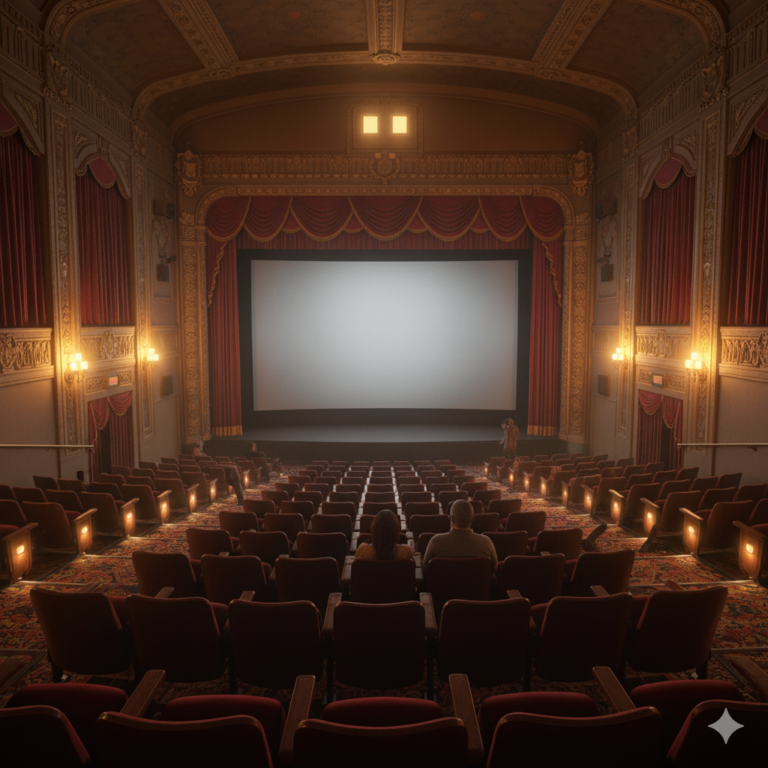
When moviegoers line up for the latest blockbuster, they often face a choice at the ticket counter: standard screening or IMAX. The price difference can be striking””anywhere from $5 to $10 more per ticket””and understanding why blockbusters cost more in IMAX requires examining the complex interplay of technology, licensing, production investments, and theater economics that define the premium format. This isn’t simply a case of theaters charging more because they can; the elevated pricing reflects genuine costs that ripple through every stage of the filmmaking and exhibition process. The question of IMAX pricing matters because it affects how millions of viewers experience cinema’s biggest releases.
With average movie ticket prices already climbing past $11 nationally and premium formats pushing that figure well into the $20 range in major metropolitan areas, consumers deserve to understand what they’re paying for. The IMAX premium represents one of the most significant upsells in the entertainment industry, generating billions in additional revenue annually while promising a distinctly superior viewing experience. By the end of this article, readers will understand the technical specifications that differentiate IMAX from standard projection, the licensing and royalty structures that theaters must navigate, how filmmakers capture footage specifically for the format, and whether the premium pricing translates into genuine value. Armed with this knowledge, you can make informed decisions about when the IMAX surcharge delivers meaningful enhancement and when a standard screening might serve just as well.
Table of Contents
- What Makes IMAX Tickets More Expensive Than Standard Screenings?
- The Technology Behind Premium IMAX Blockbuster Pricing
- How Film Studios and IMAX Share Blockbuster Revenue
- Comparing IMAX Costs Across Different Theater Types and Locations
- Understanding When IMAX Premium Pricing Delivers Value
- The Future Economics of IMAX and Premium Theatrical Experiences
- How to Prepare
- How to Apply This
- Expert Tips
- Conclusion
- Frequently Asked Questions
What Makes IMAX Tickets More Expensive Than Standard Screenings?
The price difference between imax and standard tickets stems from multiple cost centers that compound throughout the theatrical exhibition chain. IMAX Corporation operates on a licensing model that requires theaters to pay substantial fees for the privilege of using the brand and technology. Theaters typically pay IMAX between 10% and 15% of gross box office revenue from IMAX screenings, plus ongoing maintenance fees for the proprietary projection and sound equipment. These royalty payments alone account for a significant portion of the ticket premium, as theaters must recoup these costs while maintaining their own profit margins. Beyond licensing, IMAX theaters require dramatically different infrastructure than standard auditoriums. The screens themselves can range from 52 feet to over 100 feet in width, compared to the 30-45 foot screens in typical multiplexes. The specialized screen material, custom-engineered for optimal reflectivity and color accuracy, costs substantially more to manufacture and install.
Seating configurations must be redesigned to accommodate the steeper stadium angles that allow every viewer an unobstructed sightline to the massive screen. IMAX-certified sound systems utilize proprietary speaker configurations calibrated specifically for each auditorium’s acoustic properties, requiring expensive installation and regular recertification. The projection technology represents another major cost driver. True IMAX laser systems, which have largely replaced the original 70mm film projectors, cost between $1.5 million and $2 million per installation. Even the more common IMAX with Laser and IMAX xenon systems represent investments of several hundred thousand dollars. These projectors require specialized technicians for maintenance and operation, and the high-intensity light sources have limited lifespans requiring regular replacement. When theaters amortize these capital expenditures across their ticket sales, the math necessitates premium pricing.
- IMAX licensing fees consume 10-15% of gross ticket revenue
- Screen installation and specialized materials cost significantly more than standard screens
- Projection systems range from $500,000 to over $2 million depending on configuration
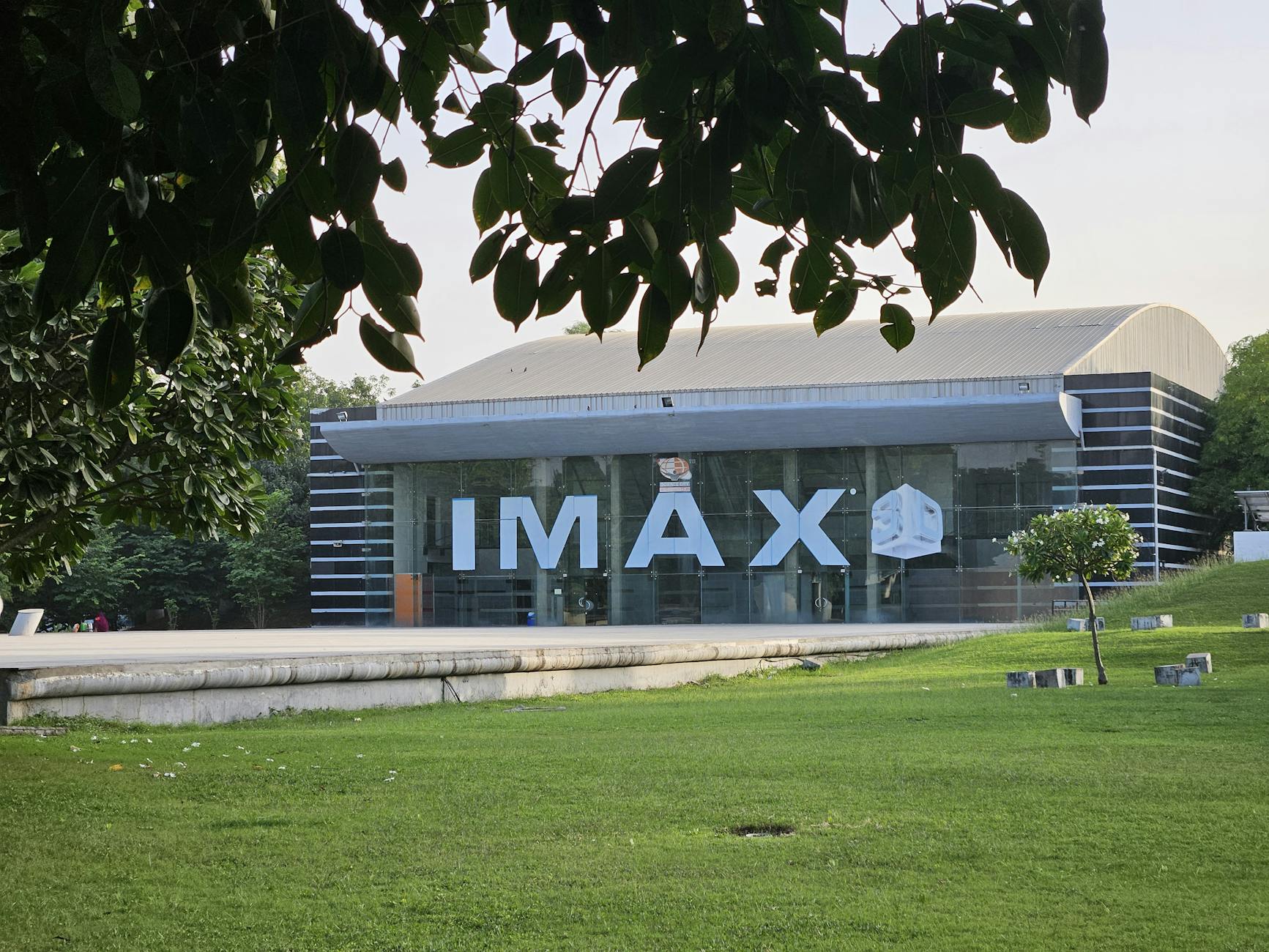
The Technology Behind Premium IMAX Blockbuster Pricing
Understanding imax pricing requires grasping the technological specifications that distinguish it from conventional digital cinema. standard digital projection operates at 2K (2048 x 1080 pixels) or 4K (4096 x 2160 pixels) resolution. IMAX laser projection systems achieve dual 4K resolution””meaning two 4K projectors working in tandem””creating an effective resolution that exceeds 8K when properly implemented. This represents roughly four times the pixel density of standard 4K projection, which becomes visually apparent on screens that can exceed 80 feet diagonally. The aspect ratio differences further complicate matters. Conventional cinema operates at either 1.85:1 or the wider 2.39:1 scope format.
IMAX’s native aspect ratio of 1.43:1 provides up to 40% more vertical image area than standard widescreen presentations. When filmmakers shoot sequences with IMAX cameras””as Christopher Nolan did for portions of “Oppenheimer,” “Dunkirk,” and “The Dark Knight” trilogy””the expanded frame fills the massive IMAX screen from floor to ceiling. This expanded canvas requires more complex visual effects rendering, additional camera equipment, and specialized post-production workflows, all of which contribute to higher production costs that studios factor into their IMAX distribution agreements. The audio component adds another layer of technological sophistication. IMAX sound systems deliver uncompressed audio through speaker arrays that can include over 60 individual speakers precisely positioned throughout the auditorium. The system generates sound fields calibrated to the specific dimensions of each theater, with bass frequencies that can reach below the threshold of human hearing while remaining perceptible as physical sensation. This immersive audio requires theaters to invest in acoustic treatment, specialized amplification, and regular calibration by IMAX technicians.
- Dual 4K projection creates effective 8K+ resolution on the largest screens
- Native 1.43:1 aspect ratio delivers up to 40% more image than standard widescreen
- Proprietary audio systems with 60+ speakers require ongoing calibration and maintenance
How Film Studios and IMAX Share Blockbuster Revenue
The economic relationship between IMAX Corporation and film studios creates a pricing structure that differs substantially from standard theatrical distribution. Traditional theatrical revenue splits typically see studios receiving 50-60% of ticket sales in the first weeks of a film’s release, with that percentage declining over time. IMAX presentations introduce an additional party into this equation, as IMAX Corporation takes its cut before the remaining revenue gets divided between the studio and the exhibitor. Studios accept this reduced per-ticket revenue because IMAX releases generate disproportionate box office performance. Films released in IMAX formats consistently earn higher per-screen averages, with major blockbusters sometimes generating 10-15% of their total domestic gross from IMAX screens despite those screens representing less than 2% of total theater count.
“Avengers: Endgame” earned over $91 million from IMAX screenings in North America alone. “Dune: Part Two” collected approximately 20% of its opening weekend gross from premium large-format screens. These concentrations of revenue make IMAX releases economically attractive despite the additional revenue sharing. IMAX Corporation also invests directly in promoting films released in its format, providing marketing support and guaranteed screen commitments that help studios project opening weekend performance. The exclusivity windows negotiated for major releases””ensuring that tentpole films play on IMAX screens without competition from smaller releases””represent valuable real estate that commands premium pricing. Studios pay fees to IMAX for digital mastering and certification of their films, adding another cost layer that gets passed through to consumers via ticket pricing.
- IMAX takes its revenue share before studio/exhibitor splits occur
- Premium format screens generate 10-20% of blockbuster revenue despite limited screen count
- Studios pay certification and mastering fees for IMAX distribution rights

Comparing IMAX Costs Across Different Theater Types and Locations
Not all IMAX experiences carry the same price tag, and understanding the variations helps moviegoers budget appropriately. True IMAX theaters””those purpose-built auditoriums with screens exceeding 70 feet wide””command the highest premiums, often adding $8-10 to standard ticket prices in major markets. These venues, often found at science museums, IMAX-dedicated complexes, and flagship multiplexes, offer the format as originally conceived, with screen dimensions that dwarf typical cinema presentations. The more common IMAX with Laser installations, retrofitted into existing multiplex auditoriums, typically add $5-7 to base ticket prices. These “LieMAX” screens””a term coined by format purists””range from 40-60 feet wide, significantly smaller than purpose-built IMAX venues but still notably larger than standard auditoriums.
The projection and audio technology meet IMAX’s certification standards, but the immersive quality differs from the experience in larger venues. Theater chains price these screenings based on local market conditions, competitor presence, and the specific capabilities of each auditorium. Geographic location dramatically affects IMAX ticket prices. Manhattan IMAX screenings routinely exceed $25 per ticket, while the same films in suburban or rural markets might carry IMAX prices under $16. These variations reflect local real estate costs, labor expenses, and competitive dynamics more than technical differences in the presentation. International markets show even wider price variance, with IMAX tickets in Southeast Asia sometimes costing less than standard tickets in North American cities.
- Purpose-built IMAX theaters with 70+ foot screens command the highest premiums
- Retrofitted “IMAX with Laser” installations offer smaller screens at moderate premiums
- Geographic and market factors create $10+ price variations for identical films
Understanding When IMAX Premium Pricing Delivers Value
The value proposition of IMAX pricing depends heavily on how the specific film was produced and mastered. Films shot partially or entirely with IMAX cameras””such as “Oppenheimer,” “Mission: Impossible “” Dead Reckoning,” and “Avatar: The Way of Water”””offer genuinely expanded content in IMAX presentations. These productions captured footage specifically for the larger aspect ratio, meaning IMAX screenings reveal image information literally unavailable in standard presentations. When the frame expands during key sequences, audiences see 26-40% more picture rather than simply the same image projected larger. Films shot conventionally but digitally remastered for IMAX through the proprietary DMR (Digital Media Remastering) process represent a different value calculation. The DMR process enhances resolution and optimizes color grading for IMAX systems, but it doesn’t add image content.
The larger screen and superior sound systems still provide benefits, but viewers are essentially seeing an upscaled version of the same footage available in standard presentations. Understanding this distinction helps moviegoers evaluate whether specific releases justify the premium pricing. Genre and visual scale also affect IMAX value. Spectacle-driven blockbusters with expansive cinematography, detailed visual effects, and immersive sound design benefit most from IMAX presentation. Dialogue-heavy dramas or contained thrillers may see diminished returns on the premium investment. Studios increasingly reserve IMAX releases for films designed to exploit the format’s capabilities, but marketing sometimes outpaces substance, promoting IMAX versions of films that offer minimal technical advantages.
- Films shot with IMAX cameras provide expanded aspect ratios with 26-40% more image
- DMR-remastered films offer upscaling without additional image content
- Visual spectacle and sound design determine how well films utilize IMAX capabilities

The Future Economics of IMAX and Premium Theatrical Experiences
The theatrical exhibition industry continues evolving in ways that will affect IMAX pricing dynamics. Streaming competition has pushed theaters toward differentiation through premium experiences that can’t be replicated at home, supporting sustained or increased IMAX premiums. IMAX Corporation has responded by developing proprietary content and expanding into new markets, with particular growth in China where premium format adoption has accelerated. The company’s investments in documentary content, concert films, and exclusive releases aim to fill screens beyond the traditional blockbuster season.
Emerging technologies may disrupt or reinforce current pricing structures. IMAX’s development of cameras and projection systems for next-generation specifications suggests continued hardware investment that will need recoupment through ticket premiums. Virtual production techniques allowing more filmmakers to capture native IMAX footage could increase the format’s value proposition by making expanded aspect ratio content more common. However, improvements in home theater technology””including increasingly affordable large-format displays and spatial audio systems””may pressure the premium that audiences will accept for theatrical IMAX experiences.
How to Prepare
- **Verify the filming format** by checking whether the specific film was shot with IMAX cameras. Studio announcements, filmmaker interviews, and enthusiast communities maintain records of which films feature native IMAX footage versus DMR upscaling. Christopher Nolan, Denis Villeneuve, and the Mission: Impossible franchise consistently shoot IMAX sequences, while many other blockbusters use conventional cameras.
- **Research your local IMAX venue specifications** to understand what you’re actually paying for. True IMAX screens with 1.43:1 capability offer experiences fundamentally different from smaller IMAX-branded screens limited to 1.90:1 presentations. LFExaminer and enthusiast forums maintain databases of screen dimensions and projection capabilities by venue.
- **Check aspect ratio information** for the specific IMAX release. Some films expand to 1.43:1 on full-size IMAX screens, others to 1.90:1, and some maintain constant 2.39:1 scope ratios with no expansion at all. Knowing what aspect ratio the IMAX version actually presents helps calibrate expectations against pricing.
- **Compare premium options** at theaters in your area. IMAX competes with Dolby Cinema, RPX, XD, and other premium large-format experiences that may offer comparable quality at different price points. Each format has distinct technical specifications worth understanding before committing to the highest-priced option.
- **Consider timing strategies** such as matinee pricing, discount days, or membership programs that can reduce IMAX premiums significantly. AMC Stubs A-List, Regal Unlimited, and similar subscription services include IMAX screenings, potentially making premium formats more accessible for frequent moviegoers.
How to Apply This
- **Check the IMAX website’s film schedule** before purchasing, as it lists filming formats and aspect ratio specifications for current releases, allowing informed decisions about whether specific films warrant the premium.
- **Use theater chain apps to compare pricing** across nearby venues, since the same IMAX film might cost several dollars more or less depending on specific location, time, and day of week.
- **Read post-release reviews specifically addressing IMAX presentation quality**, as critics and enthusiasts often note whether IMAX versions deliver meaningful improvements over standard screenings.
- **Arrive early to premium screenings** to secure optimal seating in the center third of the auditorium, roughly two-thirds back from the screen, where IMAX’s visual and audio characteristics reach their full potential.
Expert Tips
- Reserve IMAX spending for films with confirmed native IMAX footage, and opt for standard screenings or competing premium formats for DMR-only releases where the technical advantages diminish significantly.
- Sit in the acoustic sweet spot””typically marked as “recommended seating” in some venues””to fully experience the immersive sound field that represents a substantial portion of IMAX’s value proposition.
- Consider the second weekend rather than opening night for IMAX screenings of major releases; crowds thin while presentation quality remains identical, and you may find better seat availability.
- Track IMAX screen availability for anticipated releases since the format’s limited screen count means popular films sometimes leave IMAX within two weeks to make room for new releases.
- Use IMAX GT or IMAX with Laser 1.43:1 venues for the genuine format experience when available, even if travel is required; the difference between true IMAX and smaller branded screens justifies occasional destination viewing for major releases.
Conclusion
The premium pricing attached to IMAX blockbusters reflects a genuine value chain of specialized technology, licensing agreements, infrastructure investments, and production accommodations that differentiate the format from standard theatrical presentation. Whether that premium represents worthwhile spending depends on individual circumstances””the specific film’s capture format, the particular venue’s capabilities, the moviegoer’s sensitivity to visual and audio quality differences, and personal budget considerations. Understanding these factors transforms the ticket counter decision from blind faith in marketing into informed consumer choice.
The theatrical exhibition industry has bet heavily on premium experiences like IMAX as differentiation against home viewing, and current trends suggest this strategy will intensify. For filmmakers committed to the theatrical experience, shooting with IMAX cameras has become a creative and commercial statement. For audiences who value cinema as event rather than mere content delivery, IMAX remains the format most likely to deliver genuine spectacle. Approach each release individually, research the technical specifications, and let the specific value proposition””rather than brand name alone””guide your spending decisions.
Frequently Asked Questions
How long does it typically take to see results?
Results vary depending on individual circumstances, but most people begin to see meaningful progress within 4-8 weeks of consistent effort.
Is this approach suitable for beginners?
Yes, this approach works well for beginners when implemented gradually. Starting with the fundamentals leads to better long-term results.
What are the most common mistakes to avoid?
The most common mistakes include rushing the process, skipping foundational steps, and failing to track progress.
How can I measure my progress effectively?
Set specific, measurable goals at the outset and track relevant metrics regularly. Keep a journal to document your journey.