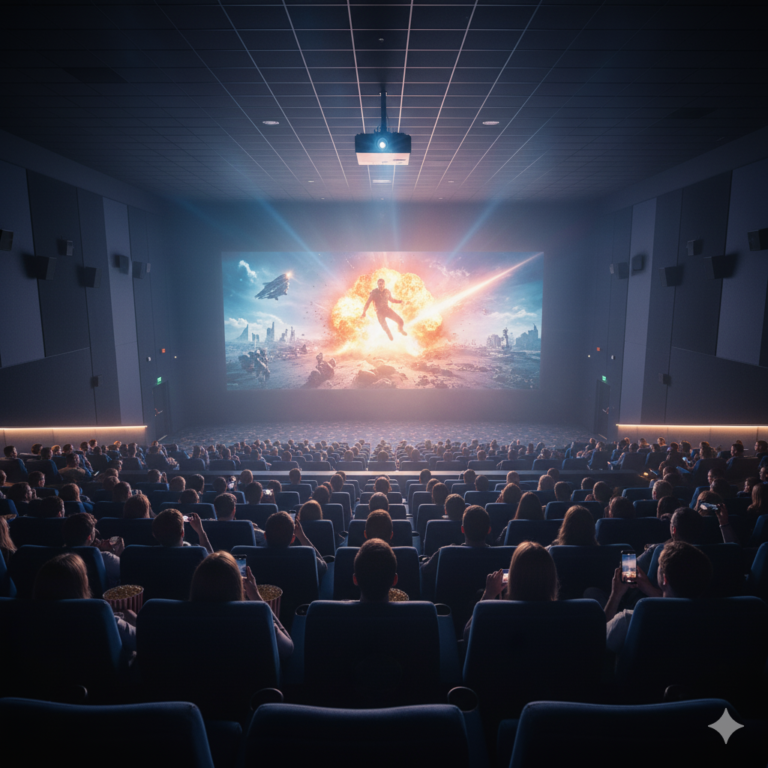
Avatar IMAX tickets cost $30 or more in many markets, making them among the most expensive movie tickets available to general audiences. When James Cameron’s “Avatar: The Way of Water” hit theaters in December 2022, moviegoers encountered sticker shock at the box office, with premium format screenings reaching prices that would have seemed unthinkable just a decade earlier. This pricing phenomenon reflects fundamental shifts in how movies are made, distributed, and consumed in an era of streaming competition and evolving theatrical experiences.
The question of why Avatar IMAX tickets command such premium prices addresses concerns that millions of filmgoers share: Is this just inflation? Are theaters gouging customers? What exactly makes an IMAX screening worth double or triple the cost of a standard showing? Understanding the economics behind these ticket prices reveals a complex web of factors including proprietary technology, licensing fees, production costs, real estate economics, and strategic positioning by both studios and exhibitors. By the end of this analysis, readers will understand the specific cost components that drive IMAX ticket pricing, how Avatar films specifically leverage this format, the business relationships between theaters and IMAX Corporation, and whether premium pricing represents genuine value or market manipulation. This information empowers moviegoers to make informed decisions about when premium formats justify their cost and when standard screenings deliver comparable experiences.
Table of Contents
- What Makes IMAX Tickets for Avatar Films So Expensive?
- The Real Cost Breakdown of Premium Format Movie Tickets
- How James Cameron’s Avatar Films Justify Premium IMAX Pricing
- Finding the Best Value When Buying Avatar IMAX Tickets
- Why Standard Theaters Versus IMAX Creates Difficult Choices for Avatar Fans
- The Future of Premium Movie Ticket Pricing
- How to Prepare
- How to Apply This
- Expert Tips
- Conclusion
- Frequently Asked Questions
What Makes IMAX Tickets for Avatar Films So Expensive?
The elevated cost of IMAX tickets for avatar screenings stems from multiple converging factors that compound beyond typical movie pricing. IMAX Corporation operates on a licensing model where theaters pay both installation costs and ongoing revenue sharing agreements. A genuine IMAX installation can cost between $1.5 million and $5 million depending on screen size, projection system, and sound configuration.
Theaters must recoup these investments while also paying IMAX Corporation a percentage of ticket revenue, typically ranging from 10% to 15% of gross receipts. Avatar films specifically demand premium pricing because James Cameron shoots natively in IMAX-compatible formats. Unlike movies that simply undergo digital remastering for larger screens, Avatar films capture footage using specialized camera systems designed for IMAX presentation. “Avatar: The Way of Water” utilized Sony Venice cameras with custom Panavision anamorphic lenses, along with newly developed underwater 3D camera housings, creating imagery specifically optimized for IMAX’s expanded aspect ratio and resolution capabilities.
- **Technology licensing fees**: Theaters pay IMAX Corporation ongoing royalties that get passed to consumers
- **Equipment maintenance**: IMAX projectors require specialized technicians and replacement parts that cost significantly more than standard digital projection equipment
- **Film-specific premiums**: Studios charge higher rental rates for films shot in premium formats, with Avatar films commanding top-tier distribution fees

The Real Cost Breakdown of Premium Format Movie Tickets
Breaking down where your $30 goes reveals the economic reality of premium theatrical exhibition. When a customer purchases an IMAX ticket, approximately 50-55% goes directly to the film studio during opening weeks, a percentage that typically decreases over subsequent weeks of release. From the remaining theater share, IMAX Corporation takes its licensing cut before the exhibitor sees any profit.
Rent, utilities, staffing, and concession operations must all be funded from what remains. Theater chains operating IMAX screens face substantial fixed costs regardless of attendance. A typical IMAX auditorium requires upgraded electrical infrastructure to power dual 4K laser projectors, specialized air handling systems to maintain equipment temperature, and acoustically treated spaces that meet IMAX certification standards. The IMAX sound system alone, featuring proprietary speaker configurations and precise calibration, represents a significant ongoing maintenance expense that standard auditoriums don’t share.
- **Studio rental fees**: Avatar films commanded approximately 52-55% of ticket revenue during initial release windows
- **IMAX licensing**: The corporation takes 10-15% of gross ticket sales from partner theaters
- **Operating costs**: Utilities for IMAX auditoriums run 20-30% higher than standard screens due to projection and climate control requirements
- **Labor premiums**: Projectionists certified for IMAX systems command higher wages than standard digital cinema operators
How James Cameron’s Avatar Films Justify Premium IMAX Pricing
James Cameron’s approach to filmmaking specifically targets the premium theatrical experience in ways that distinguish Avatar from typical blockbusters converted to IMAX in post-production. Cameron spent years developing proprietary 3D camera systems and underwater filming technology specifically designed to maximize IMAX presentation quality. This approach means Avatar films contain footage that genuinely cannot be replicated on standard screens, providing tangible differentiation that supports premium pricing.
The extended aspect ratio sequences in Avatar films illustrate this philosophy clearly. Standard theatrical presentations show Avatar films at approximately 2.39:1 aspect ratio, while IMAX screenings expand to 1.90:1 during key sequences, adding approximately 26% more image area. This additional visual information wasn’t added artificially; it exists because Cameron composed shots anticipating IMAX presentation. Viewers watching standard formats see cropped versions of the director’s intended imagery.
- **Native IMAX capture**: Footage shot specifically for expanded aspect ratios cannot be artificially recreated
- **High frame rate sequences**: Select scenes in Avatar films utilize 48fps presentation available only in premium formats
- **Sound design**: Avatar films feature Dolby Atmos mixes specifically optimized for IMAX’s proprietary speaker configurations

Finding the Best Value When Buying Avatar IMAX Tickets
Savvy moviegoers can employ several strategies to experience Avatar films in IMAX without paying maximum prices. Matinee pricing remains available at most theaters, with IMAX screenings before 4 PM typically discounted $5-8 below evening prices. Tuesday discount programs at major chains including AMC, Regal, and Cinemark often apply to premium formats, though the discount percentage may be smaller than for standard screenings.
Theater loyalty programs offer substantial savings for frequent moviegoers who plan to see films multiple times or who regularly attend premium format screenings. AMC Stubs A-List membership, priced around $20-25 monthly depending on market, allows three movie viewings per week including IMAX and other premium formats. For dedicated Avatar fans planning repeat viewings, this membership eliminates per-ticket costs entirely after approximately two monthly IMAX visits.
- **Matinee screenings**: IMAX showings before 4 PM typically cost $22-25 versus $28-32 for evening presentations
- **Membership programs**: Annual passes and subscription services reduce per-screening costs for frequent attendees
- **Opening week avoidance**: Prices sometimes decrease 2-3 weeks after release as demand normalizes
- **Location shopping**: IMAX pricing varies significantly between markets and even between theaters in the same city
Why Standard Theaters Versus IMAX Creates Difficult Choices for Avatar Fans
The decision between standard and IMAX presentations for Avatar films involves tradeoffs that extend beyond simple price comparison. Standard digital presentations at quality theaters deliver excellent image and sound quality that satisfies most viewers, particularly those seated at optimal distances from the screen. The visual difference between formats appears most dramatic to viewers seated in the front third of IMAX auditoriums, where peripheral vision becomes engaged with the expanded screen.
Conversely, the premium IMAX experience proves most valuable for viewers highly sensitive to image detail, aspect ratio composition, and immersive sound design. Audiophiles and videophiles who invest in home theater equipment or who notice technical differences between streaming qualities will likely perceive clear distinctions between formats. Casual moviegoers focused primarily on narrative and entertainment may find standard presentations entirely adequate, questioning whether premium pricing delivers proportional value.
- **Seating position matters**: IMAX advantages diminish significantly for viewers in the rear third of auditoriums
- **Visual sensitivity varies**: Individuals differ substantially in their perception of resolution, contrast, and color accuracy differences
- **Sound system comparisons**: Modern Dolby Atmos installations in standard auditoriums approach IMAX sound quality in many respects
The Future of Premium Movie Ticket Pricing
The trajectory of premium format pricing reflects broader tensions within theatrical exhibition as the industry adapts to streaming competition and changing consumer expectations. IMAX Corporation has expanded its partnership network while simultaneously developing IMAX Enhanced certification for home viewing equipment, suggesting a future where premium experiences exist across multiple platforms at varying price points.
Theater chains continue investing in premium format screens despite high costs because these auditoriums generate disproportionate revenue relative to their seating capacity. A single IMAX screen can generate more revenue than two or three standard auditoriums combined when popular films debut. This economic reality virtually guarantees that premium pricing will persist and likely increase, particularly for event films like Avatar sequels that drive audiences specifically to enhanced presentation formats.
How to Prepare
- **Research theater formats**: Not all IMAX screens offer identical experiences. Single-laser IMAX systems deliver lower brightness than dual-laser configurations, and screen sizes vary dramatically between venues. Websites like LFexaminer.com catalog screen specifications by location, allowing comparison shopping before purchase.
- **Select optimal showtimes**: Evening weekend screenings command maximum prices and attract maximum crowds. Tuesday evenings and Sunday mornings typically offer the best balance of reduced pricing and smaller audiences, improving seat selection and overall comfort.
- **Purchase tickets early for seat selection**: IMAX auditoriums have clear optimal seating zones. Purchasing tickets 3-5 days in advance ensures access to center-section seats approximately 2/3 back from the screen, where IMAX presentation advantages manifest most clearly without requiring extreme head movement.
- **Evaluate membership options**: Before purchasing individual tickets, calculate annual viewing frequency. Moviegoers attending four or more IMAX screenings annually typically benefit from membership programs that reduce per-ticket effective costs.
- **Check for promotional pricing**: Studios occasionally partner with theaters for promotional pricing on milestone screenings or anniversary re-releases. Following theater chains and film studios on social media provides advance notice of limited-time offers.
How to Apply This
- **Compare total experience costs**: Factor parking, concessions, and travel time when comparing theater options. A theater charging $28 with free parking may cost less overall than one charging $25 with $15 parking fees.
- **Use ticket aggregators strategically**: Websites like Fandango and Atom Tickets occasionally offer promotional discounts, waived convenience fees, or reward points that reduce effective pricing. Compare direct theater purchases against aggregator options before checkout.
- **Consider group dynamics**: When attending with companions of varying enthusiasm levels, consider whether all attendees genuinely value premium presentation. Mixing IMAX and standard tickets for the same showtime wastes money if some group members cannot perceive format differences.
- **Document your experience assessment**: After experiencing both standard and IMAX presentations, honestly evaluate whether perceived quality differences justify price premiums for your personal sensitivities. This self-knowledge informs future purchasing decisions.
Expert Tips
- **Arrive early for IMAX pre-shows**: IMAX presentations often include exclusive behind-the-scenes content or demonstration footage showcasing the format’s capabilities. These additions provide value beyond the feature presentation that standard screenings lack.
- **Avoid 3D fatigue by limiting glasses adjustment**: Frequent 3D glasses repositioning causes eye strain that degrades the experience. Select glasses frames that fit securely and resist the urge to remove them during dialogue-heavy sequences.
- **Laser IMAX significantly outperforms xenon**: If choosing between theaters, prioritize venues with laser projection systems over older xenon-based IMAX installations. Laser systems deliver brighter images, better contrast, and more consistent color accuracy, particularly crucial for 3D presentations.
- **IMAX aspect ratio benefits vary by scene**: Avatar films switch aspect ratios throughout, meaning some sequences deliver identical presentations across formats. Understanding that premium advantages apply to specific segments rather than entire runtimes calibrates value expectations appropriately.
- **Premium large format alternatives exist**: Dolby Cinema, ScreenX, and theater-specific PLF brands like AMC Prime offer IMAX alternatives at sometimes lower prices. While not identical, these formats provide enhanced experiences worth considering when IMAX pricing proves prohibitive.
Conclusion
Understanding why Avatar IMAX tickets cost $30 requires examining the entire ecosystem of premium theatrical presentation, from proprietary technology investments to studio distribution strategies to real estate economics. The pricing reflects genuine costs including specialized equipment, licensing fees, and ongoing maintenance requirements that standard auditoriums don’t share. Whether these costs translate to proportional viewer value depends entirely on individual visual and auditory sensitivity, seating selection, and the specific IMAX installation quality.
For Avatar films specifically, the premium format argument proves stronger than for most blockbusters because James Cameron designs his films anticipating IMAX presentation. The expanded aspect ratios, native high-resolution capture, and optimized sound mixes represent actual additional content rather than artificial enhancement of standard footage. Moviegoers who value these elements and position themselves optimally in quality IMAX installations receive genuine differentiation that standard presentations cannot match. Those less sensitive to technical presentation differences, or attending lesser-quality IMAX venues, may reasonably conclude that standard screenings deliver sufficient experiences at half the cost.
Frequently Asked Questions
How long does it typically take to see results?
Results vary depending on individual circumstances, but most people begin to see meaningful progress within 4-8 weeks of consistent effort.
Is this approach suitable for beginners?
Yes, this approach works well for beginners when implemented gradually. Starting with the fundamentals leads to better long-term results.
What are the most common mistakes to avoid?
The most common mistakes include rushing the process, skipping foundational steps, and failing to track progress.
How can I measure my progress effectively?
Set specific, measurable goals at the outset and track relevant metrics regularly. Keep a journal to document your journey.