Andor is considered one of the most important Star Wars series ever because it proved the franchise could tell mature, grounded stories that prioritize character depth and political commentary over lightsaber battles and merchandising opportunities. With Season 2 achieving a 98% Certified Fresh score on Rotten Tomatoes”the highest rating for any Star Wars film or television project ever, surpassing even The Empire Strikes Back’s 95%”the series demonstrated that audiences were hungry for Star Wars content that treated them as adults capable of engaging with complex themes about fascism, resistance, and moral compromise. The series earned this distinction not through spectacle but through restraint. There are no Jedi, no Sith, no cute creatures designed to sell toys.
Instead, creator Tony Gilroy delivered a spy thriller that examines the Star Wars universe through the eyes of blue-collar workers, prisoners, Imperial middle management, politicians, and spymasters”perspectives the franchise had never seriously explored across its nearly fifty-year history. The show’s five Emmy wins in 2025, including the first-ever Best Writing award for a Star Wars series, cemented its place as a creative watershed moment. how Andor achieved critical and commercial success, why its approach represents a significant departure from standard Star Wars storytelling, and what its legacy might mean for the franchise’s future. We’ll look at the numbers, the awards, the creative decisions, and the limitations of its model for other productions.
Table of Contents
- What Makes Andor Different From Other Star Wars Series?
- How Did Andor Perform With Critics and Audiences?
- What Recognition Did Andor Receive at the Emmy Awards?
- How Does Andor Portray the Star Wars Universe Differently?
- Why Do Industry Observers Call Andor a “Miracle”?
- What Does Andor’s Success Mean for Star Wars Going Forward?
- How Will Andor Be Remembered in Television History?
What Makes Andor Different From Other Star Wars Series?
The fundamental difference lies in Andor’s refusal to rely on the familiar touchstones that have defined star Wars since 1977. While other Disney Plus series like The mandalorian, Obi-Wan Kenobi, and The Book of Boba Fett leaned heavily on nostalgia, legacy characters, and fan service, Andor built its narrative around entirely new characters navigating situations that feel uncomfortably relevant to contemporary audiences. The show explicitly addresses genocide and illustrates how fascism affects everyday life”topics most franchise entertainment avoids entirely. This distinction becomes clearer when comparing production approaches. The Mandalorian popularized the use of LED volume technology, allowing actors to perform against digital backgrounds in real-time.
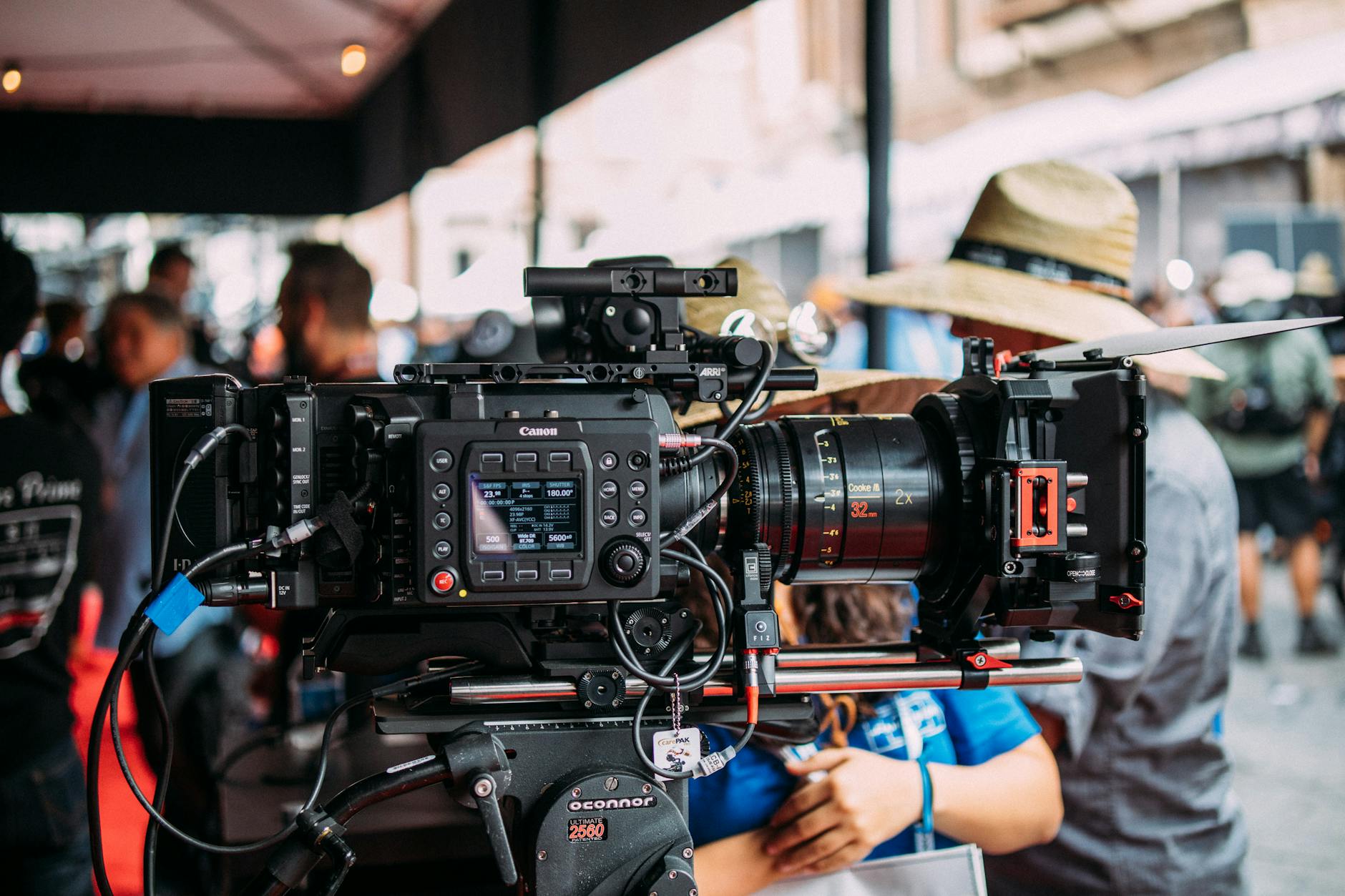
Andor went the opposite direction, constructing elaborate practical sets and filming on location whenever possible. Creator Tony Gilroy acknowledged the uniqueness of this approach, stating: “No one’s ever gonna start a show on this scale again, and shoot it practically, and have the resources and protection to do something like this.” The result is a visual texture that feels lived-in rather than rendered. However, this grounded approach comes with a tradeoff that won’t work for every viewer. Andor demands patience. Its pacing resembles prestige cable dramas more than adventure serials, and audiences expecting action-packed Star Wars content may find the first few episodes slow. The show trusts viewers to invest in characters whose names they don’t already know, which represents a genuine risk in franchise filmmaking where recognition typically drives engagement.

How Did Andor Perform With Critics and Audiences?
The critical response to andor Season 2 was unprecedented for a Star Wars property. Beyond its 98% Rotten Tomatoes score from 55 reviews, the series was named the best show of 2025 by an unusually broad coalition of outlets including Empire, IGN, ScreenRant, The AV Club, The Ringer, Variety, RogerEbert.com, and Vulture. This consensus across both entertainment trades and mainstream critics suggests the show’s appeal extended beyond the typical Star Wars fanbase. Nielsen streaming data confirmed that critical acclaim translated to viewership. The Season 2 premiere week generated 721 million minutes streamed”an all-time weekly high for the series.
More impressively, viewership grew throughout the season rather than declining, with approximately 101 million additional minutes watched each subsequent week. The finale week reached 931 million minutes, making Andor the number one streaming show that week across all platforms. This growth pattern is unusual for serialized television, where audiences typically diminish rather than expand over a season’s run. The series also demonstrated a halo effect on related content. During the finale week, Rogue One”the 2016 film that introduced the Cassian Andor character”was watched for 179 million minutes, indicating that new fans discovered through the series sought out its cinematic predecessor. This cross-pollination suggests Andor succeeded at drawing in viewers who might not otherwise engage with Star Wars content.
What Recognition Did Andor Receive at the Emmy Awards?
Andor received 22 total Emmy nominations across its two seasons, competing in categories typically dominated by prestige dramas from HBO, AMC, and streaming competitors. The series won five Emmy Awards for Season 2, with the most significant being Outstanding Writing for a Drama Series, awarded to Dan Gilroy for the episode “Welcome to the Rebellion.” This marked the first time any Star Wars series had won in a major creative category, breaking a barrier that had existed since the franchise expanded into television. The other four wins”Outstanding Fantasy/Sci-Fi Costumes, Outstanding Production Design for a Narrative Period or Fantasy Program, Outstanding Special Visual Effects in a Season or Movie, and Outstanding Picture Editing for a Drama Series”recognized the technical craftsmanship that distinguished Andor from both its Star Wars siblings and streaming television generally.
The production design award particularly validated the decision to build practical sets rather than rely primarily on digital environments. The series was also nominated for Outstanding Drama Series, though it lost to The Pitt. This nomination alone represented a breakthrough, placing a Star Wars property in direct competition with the year’s most acclaimed dramas. For context, no Marvel or DC television series has achieved a similar nomination, suggesting Andor occupied a different creative tier than typical franchise content.

How Does Andor Portray the Star Wars Universe Differently?
Critics and audiences consistently praised Andor for showing corners of the Star Wars galaxy that previous entries had ignored or treated superficially. The series dedicates entire episodes to the bureaucratic machinery of the Empire, showing how ordinary people become complicit in authoritarian systems through careerism, fear, and willful ignorance. Stellan Skarsgård’s performance as Luthen Rael, a rebel spymaster who compromises his own ethics to fight tyranny, presents moral ambiguity rarely seen in a franchise built on clear good-versus-evil dynamics. The prison arc in Season 1 exemplifies this approach. Rather than depicting stormtroopers as incompetent obstacles for heroes to mow down, the series shows the Empire’s carceral system as a grinding mechanism that breaks people through monotony and manufactured desperation.
The prisoners aren’t dramatic political dissidents”they’re ordinary beings caught in an indifferent system. This portrayal resonated with viewers who recognized parallels to real-world institutions. Some longtime Star Wars fans, however, found this approach alienating. The absence of Force users, recognizable aliens, and classic iconography made Andor feel like a different franchise wearing Star Wars clothing. This criticism isn’t entirely unfair”the series does sacrifice some of the mythic quality that defines Star Wars at its most resonant. Andor gains realism but loses some of the fairy tale wonder that attracted many fans to the franchise originally.
Why Do Industry Observers Call Andor a “Miracle”?
Multiple critics described Andor using language typically reserved for unlikely creative achievements. The characterization of the series as “not just a masterpiece of television, but a miracle” reflects the improbability of its existence within the modern entertainment landscape. Franchise properties, particularly those owned by Disney, typically prioritize brand consistency and broad demographic appeal over auteur-driven storytelling. Tony Gilroy received unusual creative latitude, partly because Rogue One’s troubled production ultimately yielded a successful film after his intervention as a script doctor and second-unit director.
This track record gave him use to insist on practical filmmaking methods, slower narrative pacing, and thematic material that other Star Wars projects had avoided. The resources required”extensive location shoots, massive practical sets, a 24-episode commitment”represented a financial bet that Disney has shown little appetite to repeat elsewhere. The limitation here is that Andor’s success may not be replicable. The specific combination of circumstances”an established filmmaker with proven Star Wars credentials, a character whose fate was already known from Rogue One, and a corporate moment where Disney was willing to experiment”created conditions that cannot be manufactured on demand. Future Star Wars series will be compared to Andor, but few will receive the same production support or creative freedom.
What Does Andor’s Success Mean for Star Wars Going Forward?
Andor demonstrated audience appetite for mature Star Wars storytelling, but translating that lesson into future productions presents challenges. The series worked partly because it existed in dialogue with more conventional Star Wars content”viewers could enjoy Andor’s grounded approach precisely because it contrasted with the fantastical elements they encountered elsewhere in the franchise. A Star Wars slate composed entirely of Andor-style projects would lose this counterpoint.
Disney’s response to Andor’s acclaim will likely be selective rather than transformative. The company may greenlight projects with similar ambitions while continuing to produce content aimed at younger audiences and nostalgia-driven fans. The financial realities of streaming television, where subscriber acquisition often matters more than critical acclaim, create pressure toward broader appeal rather than niche excellence.
How Will Andor Be Remembered in Television History?
Andor’s legacy extends beyond the Star Wars franchise into broader conversations about what franchise television can achieve. The series proved that intellectual properties associated with toys and theme parks can support genuinely adult storytelling without abandoning their core identity. Diego Luna and Stellan Skarsgård delivered performances that would be celebrated in any dramatic context, not merely graded on a curve for genre material.
The show also demonstrated that streaming platforms can produce work that competes with prestige cable television on artistic terms. As Disney Plus matures beyond its initial strategy of quantity-driven content, Andor provides a template for quality-focused production that generates cultural conversation alongside subscriber engagement. Whether the company chooses to follow this template remains uncertain.