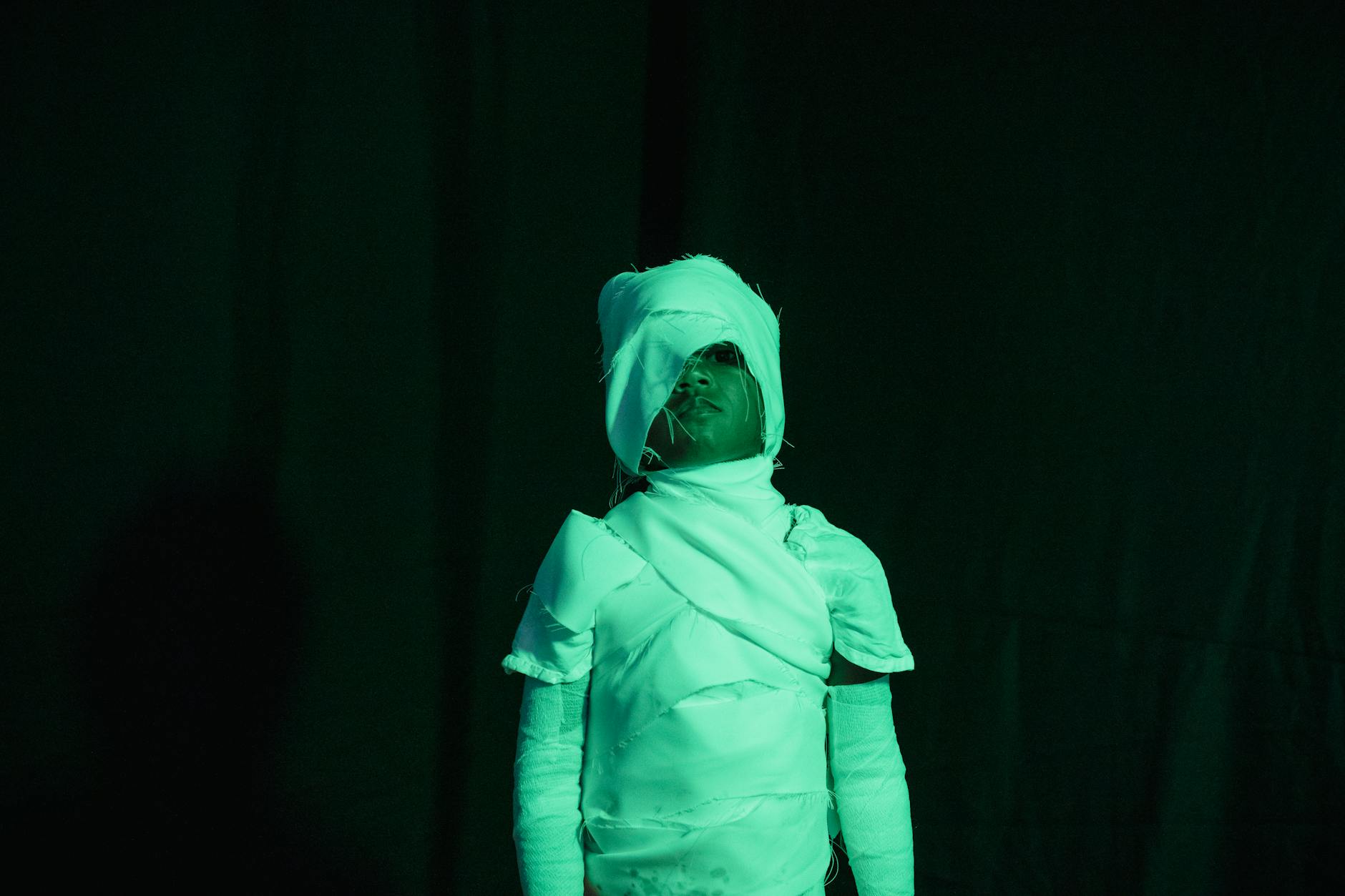
Lee Cronin’s The Mummy arrives at Rotten Tomatoes with a significant split between critics and audiences. The film holds a 46% Rotten critics score on the Tomatometer, having initially opened at 60% before settling lower as more reviews accumulated.
However, audiences have been considerably more forgiving, rating the film at 75-77% Fresh on the Popcornmeter, creating one of the most notable disconnects of the 2026 film season. This gap reflects a broader pattern in how horror and action-horror hybrids are evaluated by professional critics versus casual viewers.
- Rotten Tomatoes Score: Table of Contents
- How Do The Mummy 2026's Critical and Audience Scores Compare to Other Horror Remakes?
- Why Did The Mummy 2026's Critics Score Drop From 60% to 46%?
- What's Behind the Significant Disconnect Between Critics and Audiences?
- How Should You Use These Scores to Decide Whether to Watch The Mummy 2026?
- What Do The Specific Critical Complaints Reveal About The Film's Actual Weaknesses?
- Where Does The Mummy 2026 Stand in the 2026 Horror Film Landscape?
- What This Means for Future Monster Remakes and Lee Cronin's Direction
The story behind these scores reveals interesting patterns about contemporary film reception. The Blumhouse production, directed by Lee Cronin, appears to satisfy audiences looking for gore and visual spectacle while leaving critics wanting more originality.
The film notably sets a franchise record for the highest audience score among all Mummy films ever made, suggesting it resonates with the core demographic seeking straightforward action and horror elements. The 31-point spread between critical and audience appreciation is substantial enough to signal something meaningful about the film’s actual content and execution.
This isn’t a case of a film completely failing with both groups or succeeding universally, but rather one that splits the difference in revealing ways about what different viewers prioritize.
Table of Contents
- How Do The Mummy 2026’s Critical and Audience Scores Compare to Other Horror Remakes?
- Why Did The Mummy 2026’s Critics Score Drop From 60% to 46%?
- What’s Behind the Significant Disconnect Between Critics and Audiences?
- How Should You Use These Scores to Decide Whether to Watch The Mummy 2026?
- What Do The Specific Critical Complaints Reveal About The Film’s Actual Weaknesses?
- Where Does The Mummy 2026 Stand in the 2026 Horror Film Landscape?
- What This Means for Future Monster Remakes and Lee Cronin’s Direction
How Do The Mummy 2026’s Critical and Audience Scores Compare to Other Horror Remakes?
The 46% critics score places The mummy 2026 in a crowded middle ground for contemporary horror remakes.
Compare this to other recent horror properties: films that lean heavily into gore and visual effects without breaking ground narratively often find themselves in this range with critics.
The R-rated designation and Blumhouse’s approach positioned this film squarely in the horror-action space, a category where critical appreciation typically focuses on originality and storytelling craft, not just spectacle. The 75-77% audience score tells a different story.
Audiences who come specifically for a horror-action experience with practical gore effects and kinetic direction find considerable value in what Cronin delivers. The franchise record for audience approval among Mummy films demonstrates that viewers prefer this grittier, R-rated interpretation to previous studio attempts.
This comparison is particularly telling when you consider that earlier Mummy franchises often landed with much lower audience scores, suggesting the filmmaking style connects with its intended audience. The gap mirrors what happens regularly with horror films that prioritize execution within a genre box rather than expansion beyond it.
Films like Insidious, The Ring, and other horror properties from the past two decades have shown similar patterns: critics look for innovation and depth, audiences evaluate whether the filmmakers delivered effectively on genre expectations.

Why Did The Mummy 2026’s Critics Score Drop From 60% to 46%?
The initial 60% score that Lee Cronin’s The Mummy opened with suggested possible critical acceptance, but as reviews accumulated from wider coverage, the consensus shifted downward to 46%. This is a natural function of how Rotten Tomatoes aggregates reviews—early screeners sometimes skew different from broader critical response.
The eventual lower score likely reflects a more comprehensive review pool beyond initial trade publications and specialty critics. Critics identified a core limitation in their assessments: “plenty of gore and visual flair but a little too familiar.” This feedback suggests reviewers found competent execution in service of a recycled story framework.
For critics evaluating films against the broader landscape of horror and action cinema, familiarity without sufficient fresh perspective registers as a significant shortcoming. The R-rated Blumhouse production clearly had the budget and talent to deliver technical quality, but innovation appears to have been secondary to delivering visceral entertainment.
The 14-point drop from 60% to 46% also reflects the reality that middling films—those that competently execute without breaking ground—tend to accumulate mixed rather than positive reviews.
Unlike films that generate passionate negative reactions or universal praise, The Mummy 2026 landed in the zone where many critics found it acceptable but not noteworthy, which Rotten Tomatoes aggregation renders as a “rotten” score despite numerous reviews that might be 5 or 6 out of 10.
What’s Behind the Significant Disconnect Between Critics and Audiences?
The 31-point gap between critics (46%) and audiences (75-77%) reflects fundamentally different evaluation criteria. Audiences seeking a horror-action experience evaluate whether the film delivers on that specific promise: does it have interesting kills, visual effects, and maintains momentum?
By those standards, Lee Cronin’s execution appears to have satisfied. Critics, meanwhile, layer in questions about narrative originality, thematic depth, character development, and innovation—criteria that Mummy 2026 apparently didn’t consistently meet. This pattern isn’t unique to The Mummy 2026, but the franchise angle compounds it.
The Mummy as an intellectual property carries expectations about what distinguishes one iteration from another.
Previous Mummy films, particularly the Tom Cruise 2017 iteration, also experienced these gaps. What’s notable here is that audiences ranked Cronin’s version highest among all Mummy films despite critics being cooler. This suggests audiences prefer the straightforward horror approach to previous attempts at broader action-adventure, even if critics find both approaches equally familiar.
Horror films, in particular, show these gaps regularly because the genre has dedicated audiences who evaluate films differently than generalist critics. A film can be competently made, effectively scary, and still strike critics as derivative.
The warning for potential viewers is to read actual reviews rather than relying on score alone—if you’re specifically looking for R-rated horror-action with practical effects, the audience score is more predictive of satisfaction than the critical score.

How Should You Use These Scores to Decide Whether to Watch The Mummy 2026?
The Rotten Tomatoes split actually provides useful information if you know how to interpret it. If you enjoy horror films, action sequences, gore effects, and directors like Lee Cronin who prioritize kinetic execution over narrative innovation, the 75-77% audience score is the more relevant number.
If you’re looking for a fresh take on the Mummy mythology or original storytelling, the 46% critics score better reflects what you’ll encounter. Neither score indicates the film is unwatchable or universally beloved—both suggest a competent but familiar entry in horror-action.
The franchise record for audience appreciation among Mummy films is worth considering. If you’ve seen previous Mummy iterations and found them lacking, this R-rated Blumhouse version appears to be the audience favorite, suggesting improvements in style and execution even if critics found the formula unchanged.
However, the critics’ point about familiarity is a legitimate caution—the film apparently doesn’t expand the genre in meaningful ways. A practical approach: if you’re a horror fan who enjoyed Blumhouse’s previous releases or appreciate gore-forward action, the 75-77% audience score suggests this is worth watching.
If you came to the franchise for story-driven reimagining or fresh takes on classic monsters, the 46% critics score and the specific feedback about limited originality should temper expectations.
What Do The Specific Critical Complaints Reveal About The Film’s Actual Weaknesses?
The phrase “plenty of gore and visual flair but a little too familiar” encapsulates the core critical limitation. Critics apparently found The Mummy 2026 technically competent in delivering visceral entertainment but creatively conservative in its approach. This suggests the film follows established Mummy narrative beats and horror conventions without meaningful deviation.
For critics accustomed to evaluating film as art and innovation, this represents a fundamental shortcoming—the warning is that you’re getting a well-executed version of something you’ve seen before. The familiarity concern is important to understand because it differentiates competent genre filmmaking from boundary-pushing cinema.
A film can have excellent kill sequences, strong direction, and audience satisfaction while still landing in the 46% critical range because it doesn’t advance the genre. The limitation for viewers seeking originality is that Lee Cronin’s Mummy, regardless of technical execution, apparently doesn’t offer fresh mythology, thematic exploration, or narrative innovation—it optimizes the existing formula.
This also means the film likely benefits from lower expectations. If you approach it as “Lee Cronin makes a well-executed Mummy horror film” rather than “the definitive reimagining of the Mummy,” the 46% critical score becomes less relevant to your experience. The disconnect between critical and audience scores here partially reflects different baseline expectations.

Where Does The Mummy 2026 Stand in the 2026 Horror Film Landscape?
The 46% critical score places The Mummy 2026 in the middle tier of 2026 horror releases—competent enough to be released and promoted but not acclaimed enough to generate critical momentum. In a year with various horror offerings, this film competes for attention based on its franchise recognition and Blumhouse’s brand rather than critical enthusiasm.
The R-rating, while limiting theatrical footprint compared to PG-13 fare, targets the specific horror audience most likely to appreciate its approach.
The franchise record for audience scores matters in this context. Even if critics found The Mummy 2026 familiar, audiences clearly prefer it to earlier attempts at the property. This positions it as a successful franchise recalibration for hardcore audiences, even if it didn’t impress broader critical consensus.
What This Means for Future Monster Remakes and Lee Cronin’s Direction
The Mummy 2026’s score split suggests an interesting question about the future of classic monster adaptations. If studios continue pursuing R-rated horror approaches with directors like Lee Cronin, they may sacrifice critical acclaim for audience satisfaction—and based on box office and audience metrics, this strategy might prove commercially sensible.
The critical “familiar” complaint seems less like a barrier to audience enjoyment and more like a reflection of different goals between commercial horror and prestige cinema.
For Lee Cronin specifically, the 75-77% audience approval while maintaining technical quality suggests he’s found an audience for his approach. Whether future projects will push toward greater originality or continue optimizing within genre boundaries remains to be seen.
The Mummy 2026 appears to represent a successful execution of a specific formula rather than a landmark iteration of the franchise.