The most memorable lightsaber duels in Star Wars represent far more than choreographed sword fights between characters wielding glowing plasma blades. These confrontations serve as emotional crescendos within the saga, crystallizing decades of conflict, betrayal, redemption, and familial tragedy into visceral combat sequences that have defined generations of cinematic storytelling. From the slow, deliberate exchanges of the original trilogy to the acrobatic spectacles of the prequel era and the raw, desperate clashes of the sequel films, lightsaber battles function as the spiritual and narrative heartbeat of the Star Wars franchise. Understanding what makes these duels resonate requires examining the intersection of technical filmmaking craft with mythological storytelling.
George Lucas drew heavily from Akira Kurosawa’s samurai films, classical mythology, and Joseph Campbell’s hero’s journey framework when constructing Star Wars. The lightsaber itself became the ultimate symbol of this synthesis, a weapon described by Obi-Wan Kenobi as “an elegant weapon for a more civilized age.” Each duel carries the weight of this legacy, with fight choreographers, stunt coordinators, and directors working to ensure that every clash of blades communicates character development, thematic resonance, and plot progression simultaneously. This analysis explores the duels that have earned their place in cinematic history, examining not just the technical brilliance of their execution but the emotional and narrative foundations that elevate them beyond simple action sequences. Readers will discover what separates a forgettable fight from an unforgettable one, how different eras of Star Wars approached lightsaber combat, and which specific moments have left indelible marks on popular culture. Whether revisiting childhood favorites or approaching the franchise for the first time, this comprehensive examination provides the context needed to fully appreciate these iconic confrontations.
Table of Contents
- What Makes a Lightsaber Duel Memorable in Star Wars History?
- The Original Trilogy’s Foundational Lightsaber Battles
- Prequel Trilogy Duels and the Evolution of Lightsaber Combat
- How Sequel Trilogy Duels Redefined Lightsaber Combat for Modern Audiences
- Television Lightsaber Duels and the Expansion of Star Wars Combat
- The Technical Craft Behind Star Wars Lightsaber Choreography
- How to Prepare
- How to Apply This
- Expert Tips
- Conclusion
- Frequently Asked Questions
What Makes a Lightsaber Duel Memorable in Star Wars History?
The difference between a good lightsaber duel and a legendary one lies in the emotional stakes undergirding the combat. Technical proficiency matters, but audiences remember fights where they understand what each character stands to lose. The original trilogy pioneered this approach by ensuring every saber clash carried dramatic weight rooted in character relationships. Luke Skywalker’s battles against Darth Vader work not because of flashy choreography, which was actually quite limited by 1970s and 1980s standards, but because viewers understood the father-son dynamic, the temptation of the dark side, and the galactic consequences hanging in the balance.
Music plays an equally crucial role in cementing these moments in collective memory. John Williams’ scores provide the emotional architecture that transforms physical combat into operatic drama. “Duel of the Fates,” composed for The Phantom Menace, exemplifies this principle. The Sanskrit-inspired choral piece elevated the Darth Maul confrontation from impressive stunt work to mythic significance. Williams understood that lightsaber duels function as emotional payoffs, and his compositions guide audiences through the psychological terrain of each fight with precision.
- **Character motivation clarity**: Audiences must understand exactly why combatants are fighting and what victory or defeat means for each
- **Visual storytelling**: The physical space, lighting, and environmental factors should reinforce the narrative themes
- **Pacing and rhythm**: Effective duels balance moments of intense action with pauses that allow emotional weight to register
The Original Trilogy’s Foundational Lightsaber Battles
The original trilogy established the template that all subsequent Star Wars media would follow, interpret, or deliberately subvert. Obi-Wan Kenobi’s confrontation with Darth Vader aboard the Death Star in A New Hope (1977) set the tone with a deliberately slow, almost ritualistic exchange. Actor limitations, the fragility of the original prop lightsabers, and directorial choices combined to create a duel that emphasized the weight of history between these former friends rather than athletic prowess. The moment Obi-Wan allows himself to be struck down while Luke watches remains one of cinema’s most affecting mentor sacrifices.
The Empire Strikes Back (1980) raised the stakes exponentially with Luke’s confrontation against Vader in Cloud City’s carbon freezing chamber. Director Irvin Kershner and fight choreographer Bob Anderson crafted a sequence that communicated Luke’s overconfidence, his gradual realization of being outmatched, and the shattering revelation of his parentage. The environmental storytelling proved masterful: moving from industrial platforms to narrow catwalks to the reactor shaft where Luke faces his famous choice. This duel introduced the concept that lightsaber battles could serve as psychological warfare, with Vader toying with Luke while probing his emotional vulnerabilities.
- **A New Hope duel duration**: Approximately 90 seconds of actual combat, prioritizing tension over action
- **Empire Strikes Back innovation**: First Star Wars duel to use extensive stunt doubling and Mark Hamill’s own improved swordsmanship training
- **Return of the Jedi’s throne room battle**: Introduced the concept of a three-way emotional dynamic with Palpatine manipulating both combatants
Prequel Trilogy Duels and the Evolution of Lightsaber Combat
The prequel trilogy fundamentally reimagined what lightsaber combat could look like on screen. Stunt coordinator Nick Gillard developed an entirely new fighting system with distinct styles corresponding to different Force philosophies. The films depicted Jedi at the height of their power, necessitating combat that reflected decades or centuries of training. Ewan McGregor and Hayden Christensen trained extensively with Gillard, performing the majority of their own stunt work. This commitment shows in the fluidity and speed of prequel-era duels, which some viewers found breathtaking while others criticized as overly choreographed.
The Duel on Mustafar between Anakin Skywalker and Obi-Wan Kenobi in Revenge of the Sith (2005) represents the apex of prequel-style combat. Clocking in at over twelve minutes, it remains the longest lightsaber duel in any Star Wars film. The environmental variety, moving from control rooms to exterior platforms to floating droids over lava rivers, demonstrated the ambition of the prequel approach. More importantly, the fight pays off three films worth of brotherhood and tragedy. Obi-Wan’s final line, “You were my brother, Anakin. I loved you,” delivered over his maimed former apprentice, transformed spectacle into genuine emotional devastation.
- **Darth Maul’s double-bladed saber**: Introduced in The Phantom Menace, requiring entirely new choreography approaches
- **Count Dooku’s curved hilt**: Designed to accommodate Christopher Lee’s limited mobility while suggesting fencing expertise
- **Gillard’s form system**: Seven distinct lightsaber combat forms were developed, with characters assigned specific styles reflecting their personalities

How Sequel Trilogy Duels Redefined Lightsaber Combat for Modern Audiences
The sequel trilogy, beginning with The Force Awakens (2015), deliberately moved away from the prequel era’s acrobatic style toward something rawer and more brutal. Director J.J. Abrams and subsequent filmmakers wanted combat that felt weighted and dangerous, more akin to medieval broadsword fighting than the elegant fencing of previous entries. This stylistic choice reflected the characters themselves: Rey was an untrained scavenger, Kylo Ren an emotionally unstable practitioner who never completed formal training, and Finn a stormtrooper with no Force sensitivity at all.
The forest duel on Starkiller Base demonstrated this new approach effectively. Snow, darkness, and emotional chaos created an atmosphere distinct from any previous Star Wars confrontation. Kylo Ren, wounded and psychologically shattered after killing his father, fought with desperate aggression rather than calculated precision. Rey’s eventual victory felt earned precisely because the audience understood she wasn’t the superior fighter but rather someone connecting with the Force in a moment of crisis. The Last Jedi’s throne room sequence against Snoke’s Praetorian Guard extended this philosophy, with Rey and Kylo fighting side by side in chaotic close quarters rather than elegant one-on-one duels.
- **Practical effects emphasis**: The sequel trilogy used physical lightsaber props with LED lighting for more realistic on-set illumination
- **Stunt coordinator training background**: Teams drew from European medieval combat reenactment traditions
- **Character-driven choreography**: Each fighter’s style was developed based on their backstory and emotional state
Television Lightsaber Duels and the Expansion of Star Wars Combat
The Clone Wars animated series (2008-2020) and subsequent shows like Rebels, The Mandalorian, Ahsoka, and Obi-Wan Kenobi have expanded the universe’s catalog of memorable lightsaber encounters. Animation freed choreographers from physical limitations, allowing for duels that would be impossible in live action. The Clone Wars’ Ahsoka versus Maul confrontation, motion-captured by the same stunt performers used for the sequel films, demonstrated how animation could match and even exceed live-action intensity while maintaining character-driven storytelling.
The Obi-Wan Kenobi series delivered a rematch decades in the making: another confrontation between Ewan McGregor’s Kenobi and Hayden Christensen’s Vader. Set between the trilogies, this duel carried the weight of their Mustafar battle while establishing the emotional groundwork for their final meeting in A New Hope. The series demonstrated that small-screen Star Wars could achieve the production values and emotional resonance once reserved for theatrical releases. Similarly, Ahsoka’s live-action encounters with various opponents have proven that expanded universe characters can anchor duels as compelling as those featuring the Skywalker bloodline.
- **Rebels’ Ahsoka vs. Vader**: Widely regarded as one of the best duels across all Star Wars media despite animation limitations
- **Mandalorian season 2 finale**: Luke Skywalker’s hallway sequence against Dark Troopers, while not technically a lightsaber duel, demonstrated the weapon’s terrifying potential
- **Production crossover**: Motion capture performers now regularly work across both animated and live-action Star Wars projects
The Technical Craft Behind Star Wars Lightsaber Choreography
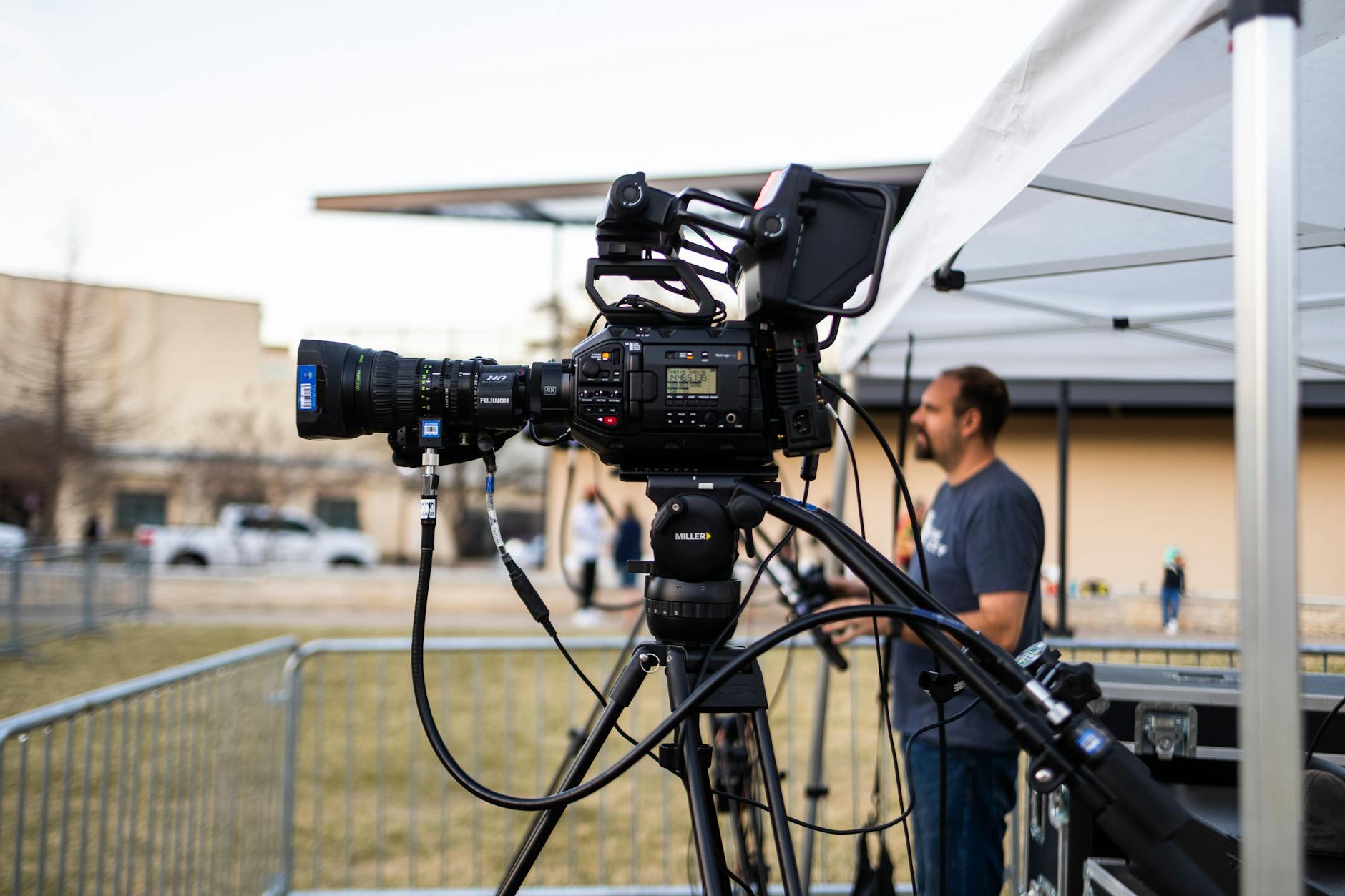
Creating a memorable lightsaber duel requires coordination between multiple departments working toward a unified vision. Pre-visualization teams create rough animated sequences mapping out fight progression. Stunt coordinators then translate these into practical choreography, accounting for actor capabilities, set limitations, and safety requirements. The actors themselves typically spend months training, learning not just the specific movements but the physical vocabulary of their characters.
Directors provide the emotional roadmap, ensuring every exchange serves the larger narrative purpose. Post-production adds the final layers that define the Star Wars aesthetic. Visual effects teams add the iconic blade glow, clash sparks, and environmental interactions. Sound designers craft the distinctive hum and clash sounds that audiences immediately associate with lightsabers, created originally by Ben Burtt through combinations of television interference and projector motor noise. The integration of these elements creates the seamless experience audiences take for granted, though each component represents countless hours of specialized labor.
How to Prepare
- **Watch duels in narrative context** rather than isolated clips. YouTube compilations strip away the character development and rising tension that make climactic fights meaningful. A twelve-minute Mustafar duel hits differently after watching Anakin’s three-film descent into darkness.
- **Research the production history** of specific sequences you find compelling. Behind-the-scenes documentaries reveal the creative decisions, compromises, and innovations that shaped final products. Understanding that Christopher Lee could only film from the waist up due to age adds appreciation for how editors and choreographers worked around limitations.
- **Study the music independently** before rewatching. John Williams’ scores operate on their own terms as concert pieces. Listening to “Battle of the Heroes” or “Duel of the Fates” without visuals allows you to appreciate the emotional architecture these compositions provide.
- **Compare fighting styles across trilogies** by watching representative duels from each era back-to-back. The stylistic evolution from 1977 to present becomes immediately apparent, revealing how changing tastes and technologies shaped each generation’s approach.
- **Read or watch analysis from choreography professionals** who break down the martial arts influences, camera work, and editing choices that casual viewers might miss. Understanding why certain shots work illuminates the craft involved.
How to Apply This
- **Use lightsaber duels as entry points** when introducing new viewers to Star Wars. Rather than demanding commitment to nine films, show someone the throne room duel from Return of the Jedi with brief context about the characters. Emotional resonance transcends franchise knowledge.
- **Analyze fight choreography in other media** using principles learned from Star Wars. The balance of spectacle and character development that defines great lightsaber duels applies equally to martial arts films, superhero movies, and action cinema broadly.
- **Engage with fan discussions and debates** about ranking and analyzing these duels. The Star Wars community has produced extensive written and video content examining these sequences from every conceivable angle. Participating in these conversations deepens appreciation.
- **Revisit childhood favorites with fresh eyes**, applying analytical frameworks to duels you may have seen dozens of times. The original trilogy duels in particular reveal new layers when examined for their restraint and character focus rather than action spectacle.
Expert Tips
- **Pay attention to the pauses** between clashes rather than just the action. The best duels use stillness for emotional punctuation. Luke deactivating his saber before Palpatine in Return of the Jedi carries more weight than any acrobatic exchange.
- **Watch for environmental storytelling** that reinforces thematic content. The Mustafar duel’s hellish landscape externalizes the relationship’s destruction. The cold forest of Starkiller Base reflects Kylo Ren’s emotional isolation.
- **Consider what characters choose not to do** during fights. Obi-Wan’s refusal to strike at Vader’s exposed back during their original duel, Vader’s toying with Luke rather than immediately overwhelming him, these choices reveal character more than victorious strikes.
- **Remember that shorter often means better** in terms of lasting impact. The most quoted and remembered moments frequently come from brief exchanges or single strikes rather than extended sequences.
- **Recognize when nostalgia affects judgment** and remain open to finding merit in duels from eras you didn’t grow up with. Each Star Wars generation has produced genuinely excellent lightsaber combat, even if stylistic preferences differ.
Conclusion
The most memorable lightsaber duels in Star Wars earn their status through the successful fusion of technical craft and emotional storytelling. From Obi-Wan’s sacrifice aboard the Death Star to Rey and Kylo’s desperate forest clash, these confrontations transcend their action movie context to become genuine dramatic art. They work because filmmakers understood that audiences remember feelings more than choreography, that the reason for fighting matters more than the fighting itself, and that a well-placed moment of stillness often lands harder than any acrobatic flourish. The ongoing expansion of Star Wars across film, television, and animation continues to add new entries to this legacy.
Future duels will build on established traditions while hopefully finding fresh emotional territory to explore. For viewers approaching or revisiting this franchise, understanding what makes these moments work enriches the experience beyond passive entertainment. These sequences represent some of cinema’s most successful attempts at visual storytelling, using combat to externalize internal conflict in ways that resonate across cultures and generations. The lightsaber remains, as Obi-Wan promised, an elegant weapon, and its duels remain elegant storytelling.
Frequently Asked Questions
How long does it typically take to see results?
Results vary depending on individual circumstances, but most people begin to see meaningful progress within 4-8 weeks of consistent effort.
Is this approach suitable for beginners?
Yes, this approach works well for beginners when implemented gradually. Starting with the fundamentals leads to better long-term results.
What are the most common mistakes to avoid?
The most common mistakes include rushing the process, skipping foundational steps, and failing to track progress.
How can I measure my progress effectively?
Set specific, measurable goals at the outset and track relevant metrics regularly. Keep a journal to document your journey.